 © Минобороны России / mil.ru

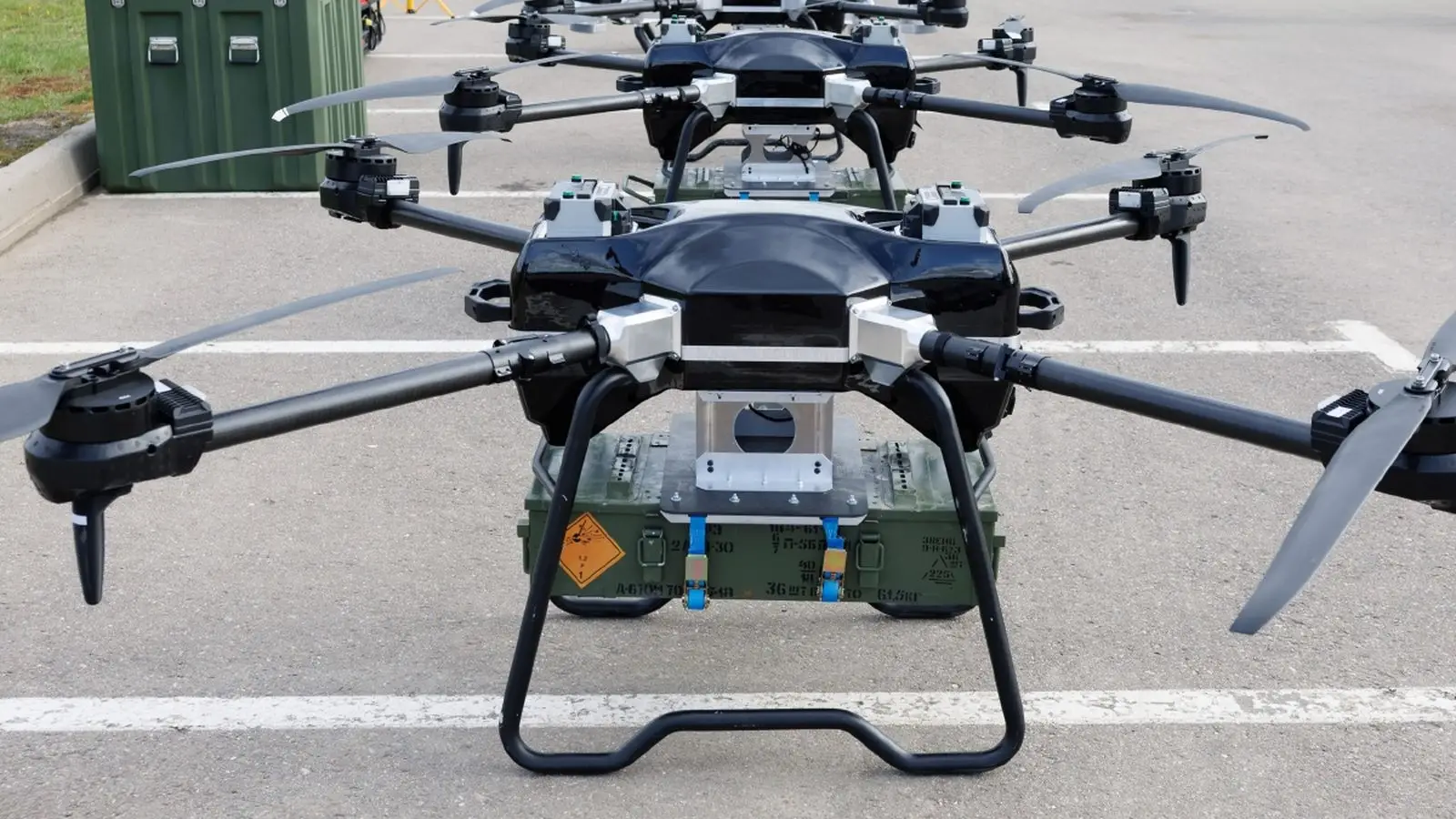
Russian scientists are developing drone swarm control technologies that outperform foreign alternatives in several key areas. Their strongest advances involve coordinating multiple unmanned aircraft and determining how they should operate together. Gennady Krasnikov, president of the Russian Academy of Sciences (RAS), discussed these achievements in an interview with RIA Novosti.
Krasnikov identified drone swarms as one of the most important trends in unmanned aircraft development. The growing interest in such systems stems largely from the limits of human control. A single operator can effectively handle only one or two drones, while managing additional aircraft becomes increasingly difficult. At the same time, the number of drones continues to rise, along with the complexity of their missions.
To overcome these limitations, numerous Russian research teams are developing algorithms that enable unmanned aircraft to coordinate their actions without constant operator intervention. The technology allows drones to adapt to rapidly changing conditions and continue working together even when the information available to them is incomplete. Krasnikov emphasized that Russian researchers have already achieved significant results, with some of their solutions exceeding international standards in efficiency, coordination and swarm strategy development.
In a previous interview with RIA Novosti in February, Krasnikov explained how these systems function. Each drone receives a specific assignment, but the algorithms can modify its behavior as circumstances evolve. They determine how individual aircraft should avoid collisions, maintain the required distance from one another and complete their missions effectively.