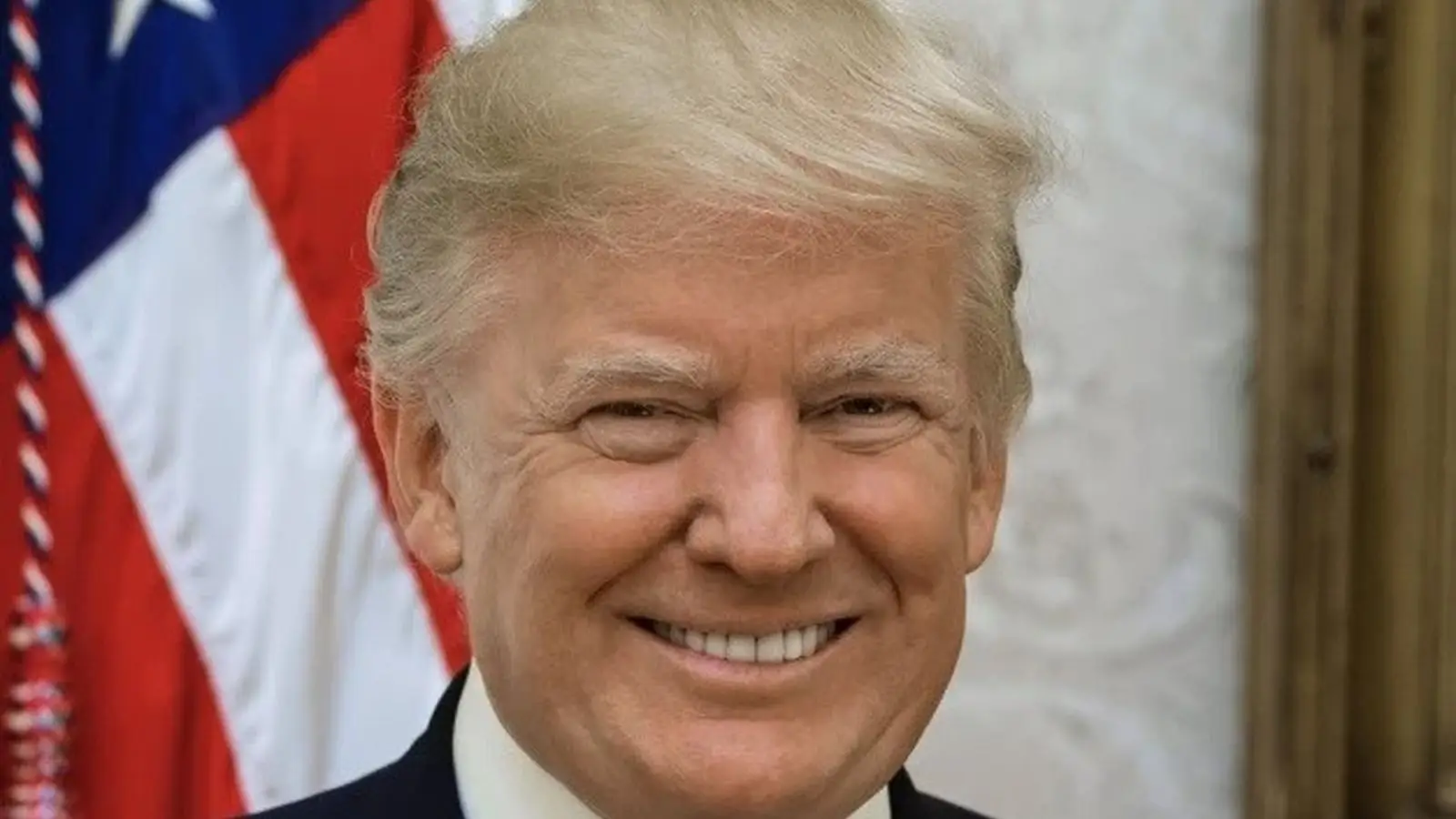
 © whitehouse.gov
Europe’s growing determination to rearm and develop an independent military capability could become the most dangerous consequence of Donald Trump’s presidency for Russia, according to political analyst Andrey Sidorov.
Speaking at a press conference in Moscow, Sidorov argued that Trump’s approach to relations with European allies has forced governments across the continent to consider the possibility of losing American military protection. He believes this realization has accelerated European efforts to strengthen their armed forces and reduce their dependence on Washington.
The analyst emphasized that Europe possesses both the resources needed for extensive rearmament and longstanding military traditions. In his assessment, these factors make the current developments particularly concerning for Russia.
Although European countries do not currently constitute a unified military force capable of operating independently of the United States, Sidorov believes they could develop such a capability relatively quickly.
He also highlighted 2029 as an important date in European strategic planning. According to the analyst, several developments could converge around that year, including changes in the US administration following Trump’s presidency.
Sidorov suggested that Washington’s foreign policy could shift even if the Republican Party retained control of the White House. He cited Marco Rubio as an example of a Republican politician whose positions and methods differ significantly from Trump’s. The analyst also pointed to the distinct foreign policy approaches associated with American neoconservatives.
In Sidorov’s view, political circles in the United States have regarded Russia as an adversary since the 1990s, maintained that position throughout the 2000s and continue to hold it today. He argued that this longstanding attitude has never disappeared from American strategic thinking.
However, the development he considers most consequential is taking place in Europe itself. Sidorov believes the uncertainty surrounding US security guarantees is encouraging European states to view themselves increasingly as a unified political and military entity.
He argued that Trump’s administration has inadvertently encouraged Europe to pursue a more complete form of strategic independence, including the military capabilities needed to support it.
For Sidorov, the prospect of a heavily rearmed Europe capable of acting as an independent military power represents the most serious danger to Russia arising from Trump’s presidency. He attributed this shift primarily to European governments' growing awareness that Washington might no longer provide the protection they previously took for granted.