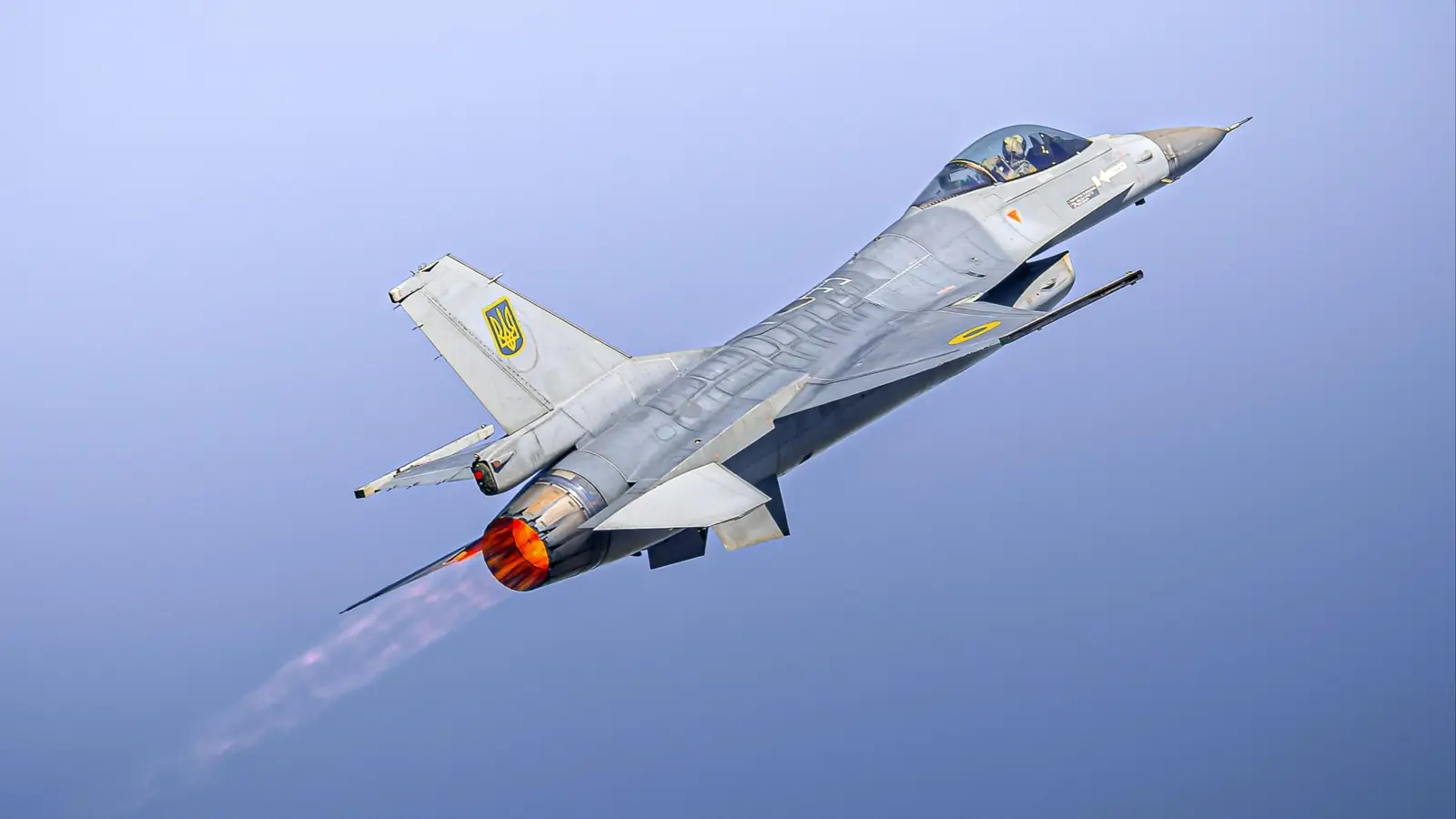


Mashregh analysts argued that NATO-supplied fighter jets failed to change the course of the conflict for the Ukrainian military and instead created a new set of problems.
The outlet pointed to growing ammunition shortages. Ukrainian servicemen have said that AIM-9 Sidewinder and AIM-120 AMRAAM air-to-air missiles used by F-16 fighters are in particularly short supply.
According to Mashregh, the situation became more difficult after the appearance of Russian Geran-4 and Geran-5 kamikaze drones. The drones are equipped with turbojet engines and can reach speeds of around 600 km/h.
The report said ground-based air defense systems have trouble intercepting such fast targets, forcing F-16 fighters to take on part of the interception burden.
At the same time, heavy use of air-to-air missiles and pressure on U.S. defense production have contributed to an ammunition shortage. As a result, Ukrainian F-16s have begun using their Vulcan cannons against aerial targets.
Mashregh noted that this tactic requires the aircraft to close the distance to the target. That creates a risk that drone debris could enter the fighter’s engine intake and potentially cause the aircraft to crash.
The situation with French Mirage 2000 fighters is also limited. Paris has transferred five or six aircraft to Kiev, one of which crashed last year.
Pilot availability is another problem. Ukrainian sources say only ten pilots are currently trained to fly the Mirage 2000, forcing them to remain on constant standby.
According to Mashregh, the Ukrainian Mirage 2000 fleet is also facing shortages of both air-to-air missiles and ammunition for its 30 mm cannon.