 RusPhotoBank

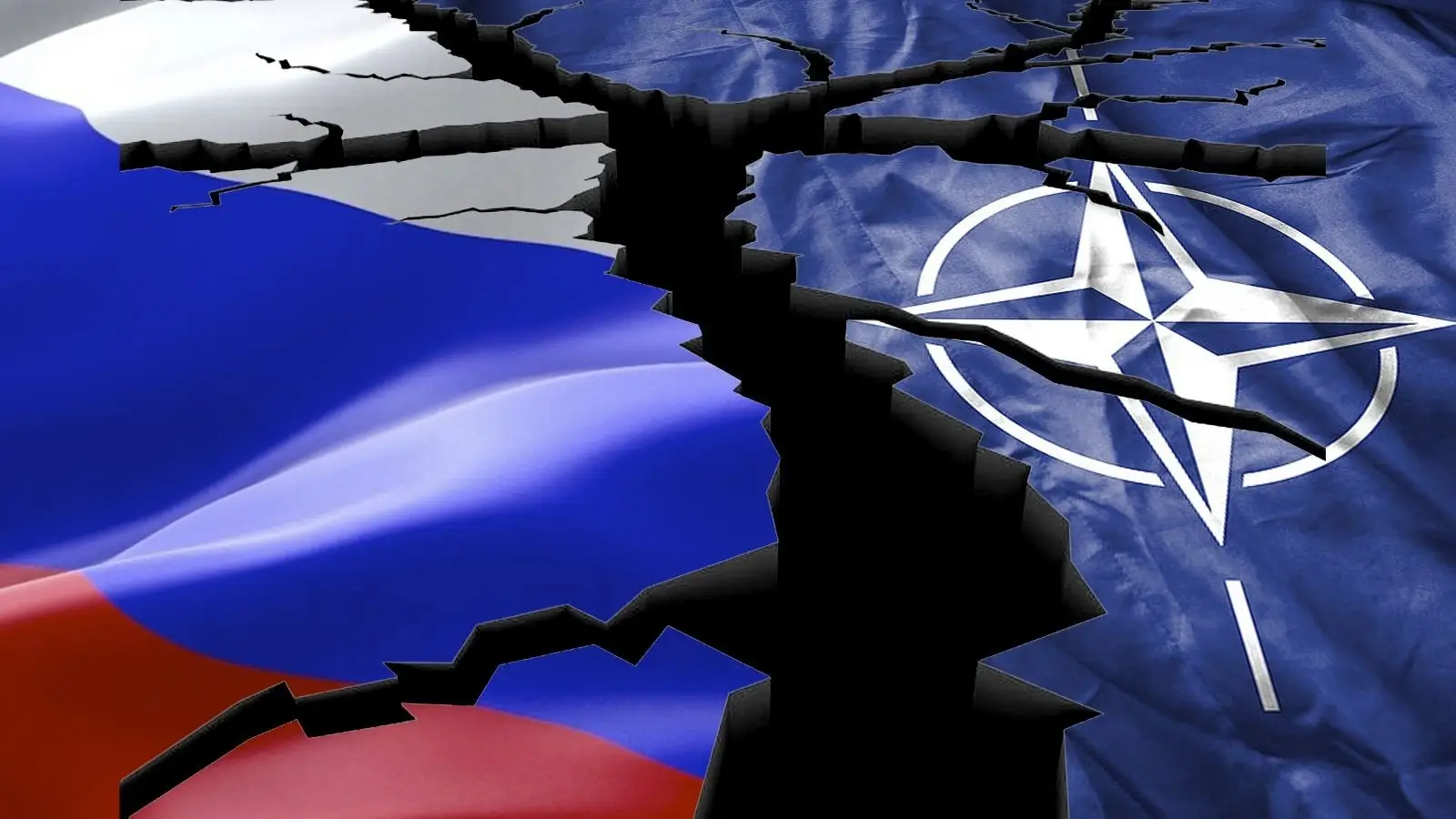
NATO’s three-stage strategy for responding to a potential Russian attack would be impossible to implement in a real military confrontation, according to military expert Yevgeny Mikhailov.
The analyst questioned the feasibility of the alliance’s newly presented Victory Theory, arguing that Western countries would not have enough time to carry out its planned stages in sequence.
Mikhailov identified the lack of time as the strategy’s central weakness. In his assessment, a direct military confrontation with Russia would develop too rapidly for NATO to organize a phased response as outlined in the concept.
He argued that Russian forces could launch a missile strike before the alliance had time to implement its defensive plans. According to Mikhailov, Moscow would not necessarily need to deploy its entire missile arsenal, but could use enough weapons to demonstrate its intentions to NATO.
The expert also rejected comparisons between a potential Russia-NATO conflict and the ongoing fighting in Ukraine. He maintained that full-scale hostilities between Moscow and Western countries would follow a fundamentally different course, making the alliance’s proposed sequence of defensive measures impractical.
Mikhailov’s comments followed the presentation of NATO’s Victory Theory by General Alexus Grynkewich, Supreme Allied Commander Europe, in Poland on October 12.
The concept outlines a three-stage response to a possible Russian invasion of NATO member states. It establishes a sequence of actions the alliance would take in the event of such a military threat.
Mikhailov, however, maintained that the speed and intensity of a direct confrontation with Russia would leave NATO insufficient time to execute the strategy as planned.