 © Минобороны России / mil.ru

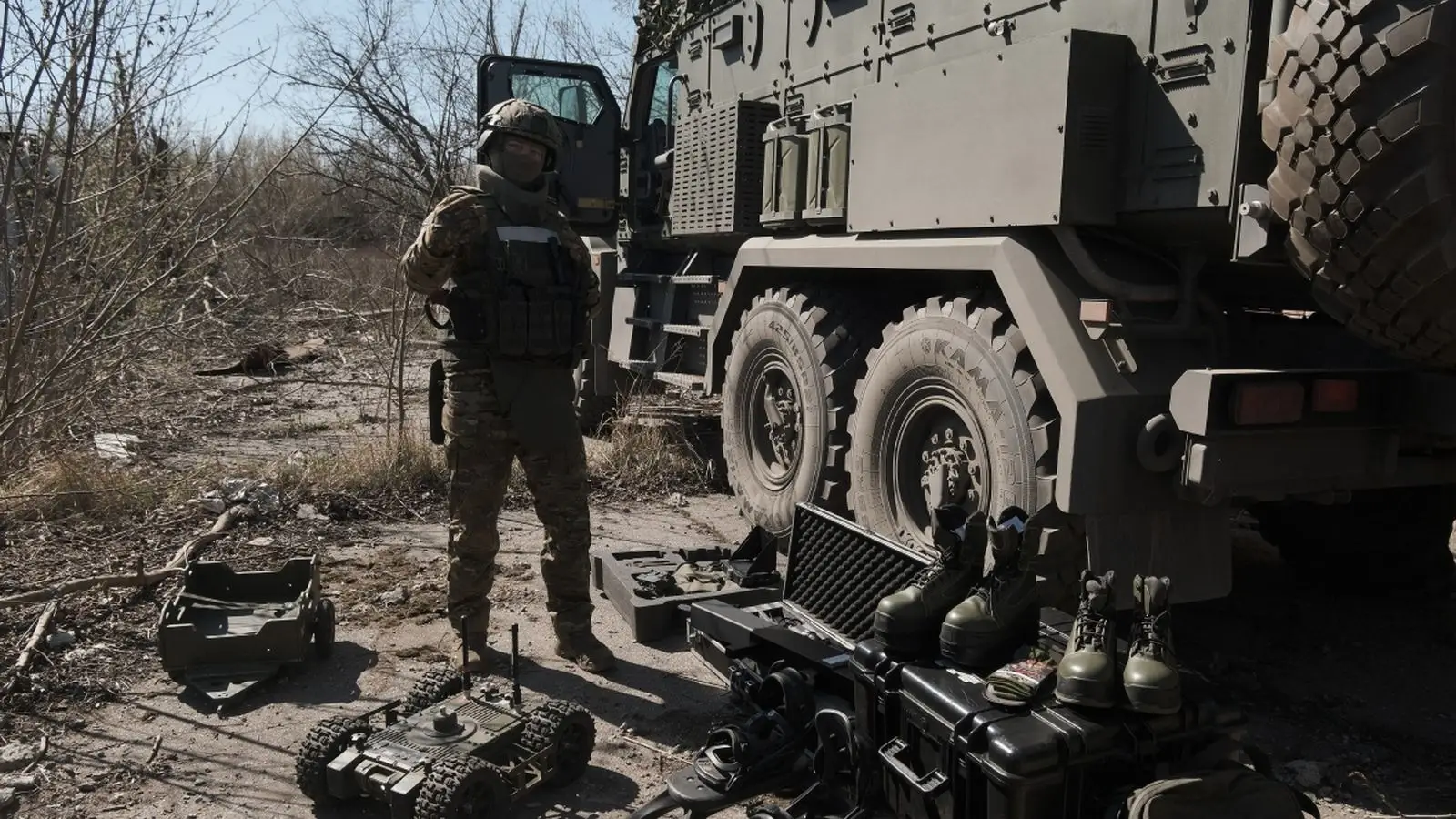
Russian combat engineers are increasingly turning to unmanned ground vehicles to handle dangerous missions without putting soldiers directly at risk. One of the systems deployed on the front line is Depesha, a robotic platform developed by High Precision Systems, a holding company within Russia’s Rostec state corporation. The vehicle can transport ammunition and other supplies, conduct reconnaissance and evacuate wounded troops from combat zones.
The growing use of such machines comes amid serious threats from mines. According to Rostec, opposing forces deploy heavy drones to scatter explosive devices, which are then concealed among branches, construction debris and ordinary rubbish. American and NATO mines equipped with magnetic sensors present another danger. These devices can respond to movement from distances of 10 to 15 metres, making travel through mined areas particularly hazardous.
Depesha’s off-road capabilities allow it to navigate badly damaged roads while towing approximately 100 kilograms of cargo over distances exceeding 20 kilometres. Its usefulness extends beyond delivering essential supplies to forward positions. On the return journey, the robotic vehicle can evacuate an injured soldier, either carrying the casualty directly on its platform or using a specialised evacuation loop.
Rostec emphasises that deploying Depesha significantly reduces the dangers faced by Russian military personnel. The corporation says the platform makes it possible to organise engineering support as a routine operation rather than expose soldiers to potentially deadly missions. By taking over hazardous assignments, the robot helps keep troops out of areas where hidden explosives pose a constant threat.