
_(TLAM)_flying_through_the_air._12-04-2000_MOD_45138116.jpg)
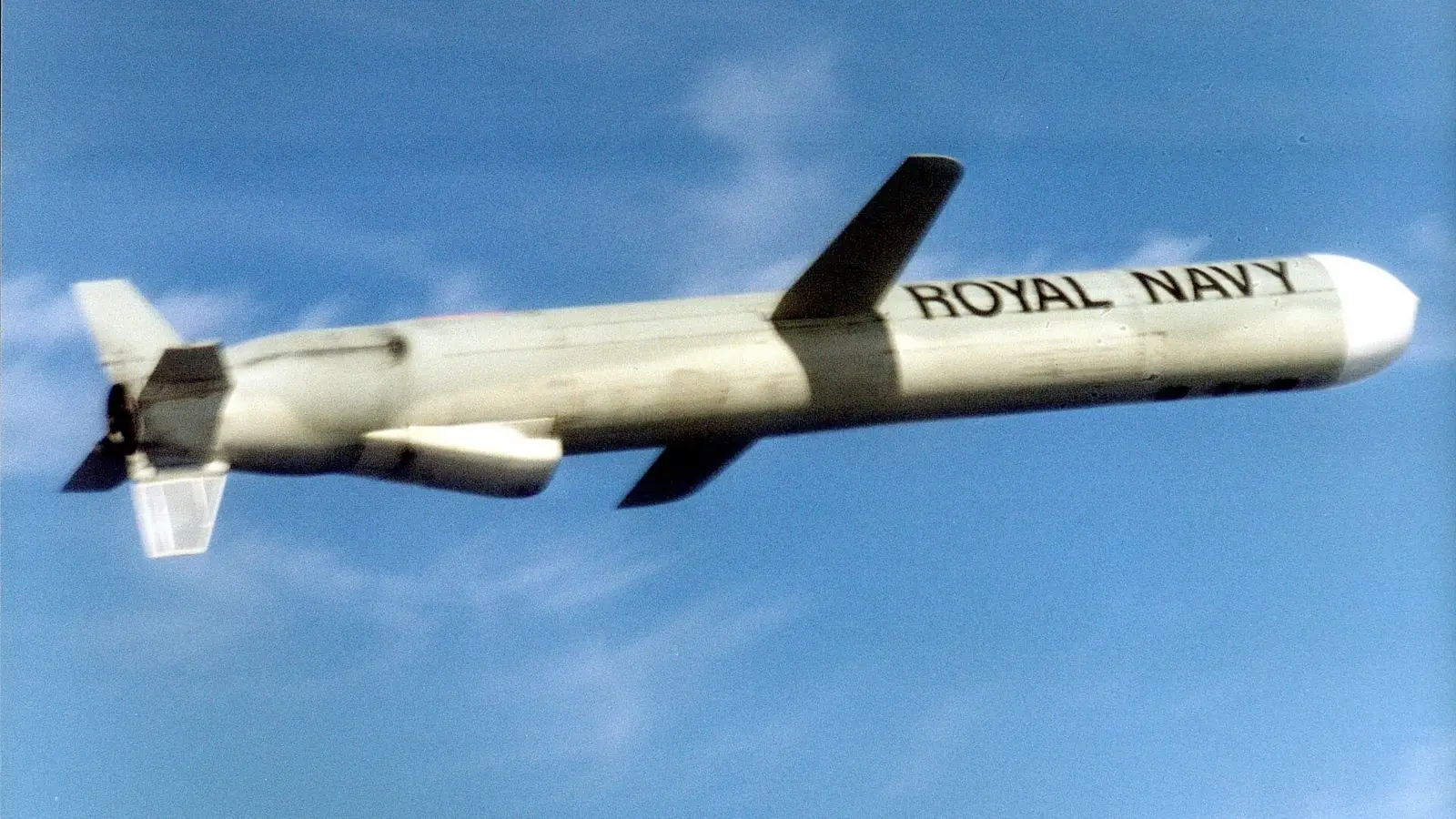
The US Navy is preparing to begin low-rate production of a new Tomahawk cruise missile variant designed to strike fortified facilities and underground targets from long distances, according to Military Watch Magazine.
The upgrade centers on the Joint Multiple Effects Warhead System (JMEWS), a two-stage warhead combining penetrating and high-explosive fragmentation effects. The design is intended to expand the range of hardened targets that a single Tomahawk missile can engage.
Rather than developing an entirely new cruise missile, the Navy plans to enhance the existing Tomahawk family. While the Block IV variant carries a conventional warhead weighing approximately 1,000 pounds, or 454 kilograms, the Block Vb configuration is designed to incorporate JMEWS.
The modification would allow US warships to retain their existing Tomahawk launch infrastructure while gaining greater capabilities against protected installations that conventional warheads may struggle to destroy.
Military Watch Magazine linked the need for such weapons to US military operations against Iran. The publication reported that heavily fortified Iranian military facilities had helped Tehran preserve much of its missile capability and continue fighting US forces and their allies for more than six months.
However, the new warhead would not guarantee the destruction of every underground target. Its effectiveness would depend on factors including the depth of the facility, the strength of its protective structures, the warhead’s penetration capabilities and the accuracy of the missile’s terminal guidance.
Particularly deep or heavily reinforced installations could remain beyond the reach of even an upgraded Tomahawk.
The program is advancing as the United States faces a substantial reduction in its Tomahawk inventories. According to estimates cited by Military Watch Magazine, the US Navy had expended approximately 1,000 missiles during operations against Iran by the final week of March. Before those operations, the American stockpile was estimated at between 3,000 and 4,500 missiles.
The reported shortage has also affected deliveries to US allies. Washington reportedly suspended the first shipment of a planned 400 RGM-109 Tomahawk missiles to Japan indefinitely in May because of limited available stocks.
Inventories have reportedly continued to decline since then, contributing to broader concerns about the depletion of US weapons reserves.
The Tomahawk Block V has an estimated range of around 1,700 kilometers. It can fly at low altitude and follow the terrain, making detection and interception more difficult.
Modern versions combine GPS navigation with terrain-contour matching, digital scene-matching technology and two-way satellite communications. These systems allow operators to redirect missiles after launch, assign new targets and receive information about strike results.
Despite these capabilities, the Tomahawk retains significant limitations. Its subsonic speed and lack of advanced stealth features leave it vulnerable to interception by modern layered air defense systems.