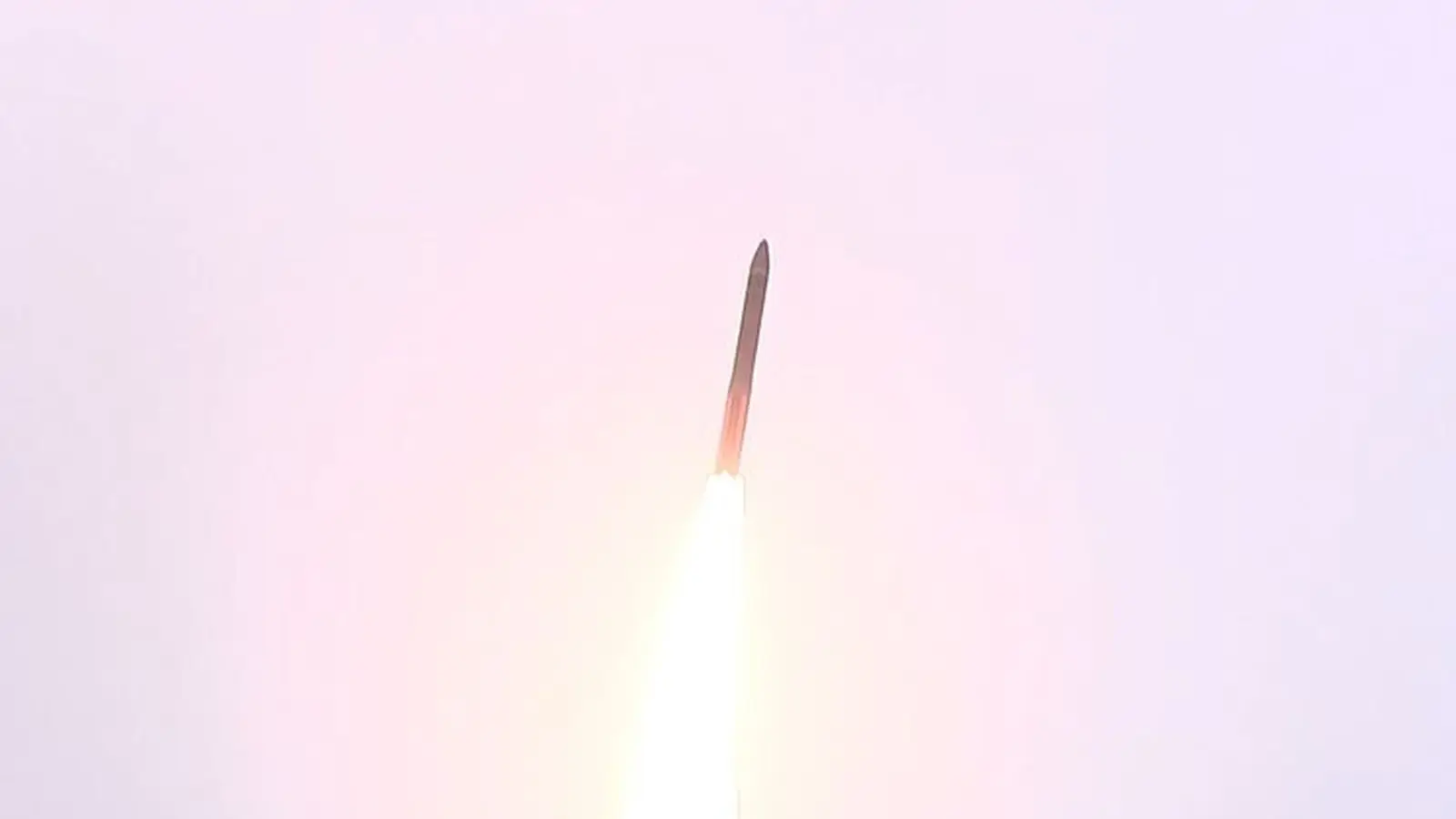
 © Минобороны России / t.me/mod_russia

Russia’s new cruise missile, with an estimated range of 6,500 kilometers, has sparked serious concern among Western military experts. According to German newspaper Merkur, the weapon could pose a major challenge to NATO, whose ability to defend against aerial threats is already under scrutiny. Particularly alarming is the prospect of Russian missiles being able to strike targets on US territory.
The weapon in question is Izdeliye 506, an air-launched cruise missile designed for Russia’s Tu-95MS and Tu-160M strategic bombers. Reports about the project first emerged several years ago, and development is now believed to be approaching completion. Merkur suggests that the missile could become a formidable new threat to the North Atlantic alliance.
What particularly puzzles Western analysts is how Russian engineers managed to achieve such an extraordinary flight range. The technology behind the missile remains largely unexplained, although specialists have proposed several possible explanations.
One theory suggests that Russian designers managed to shrink internal components, including the warhead, creating additional space for fuel to power the presumed turbojet engine. Other possibilities include improvements in engine efficiency, the use of a different fuel type, or aerodynamic modifications that allow the missile to travel considerably farther.
Some Western military experts believe Russia may have achieved a major technological breakthrough. They compare the potential scale of these advances to a quantum leap in missile development.
Merkur also draws attention to the broader implications for Russia’s strategic arsenal. Alongside the Oreshnik and R-36M Satan missiles, Izdeliye 506 could give Moscow another powerful long-range weapon. According to the German publication, its capabilities would extend the potential threat far beyond Europe, bringing even the United States within striking distance.