 RusPhotoBank
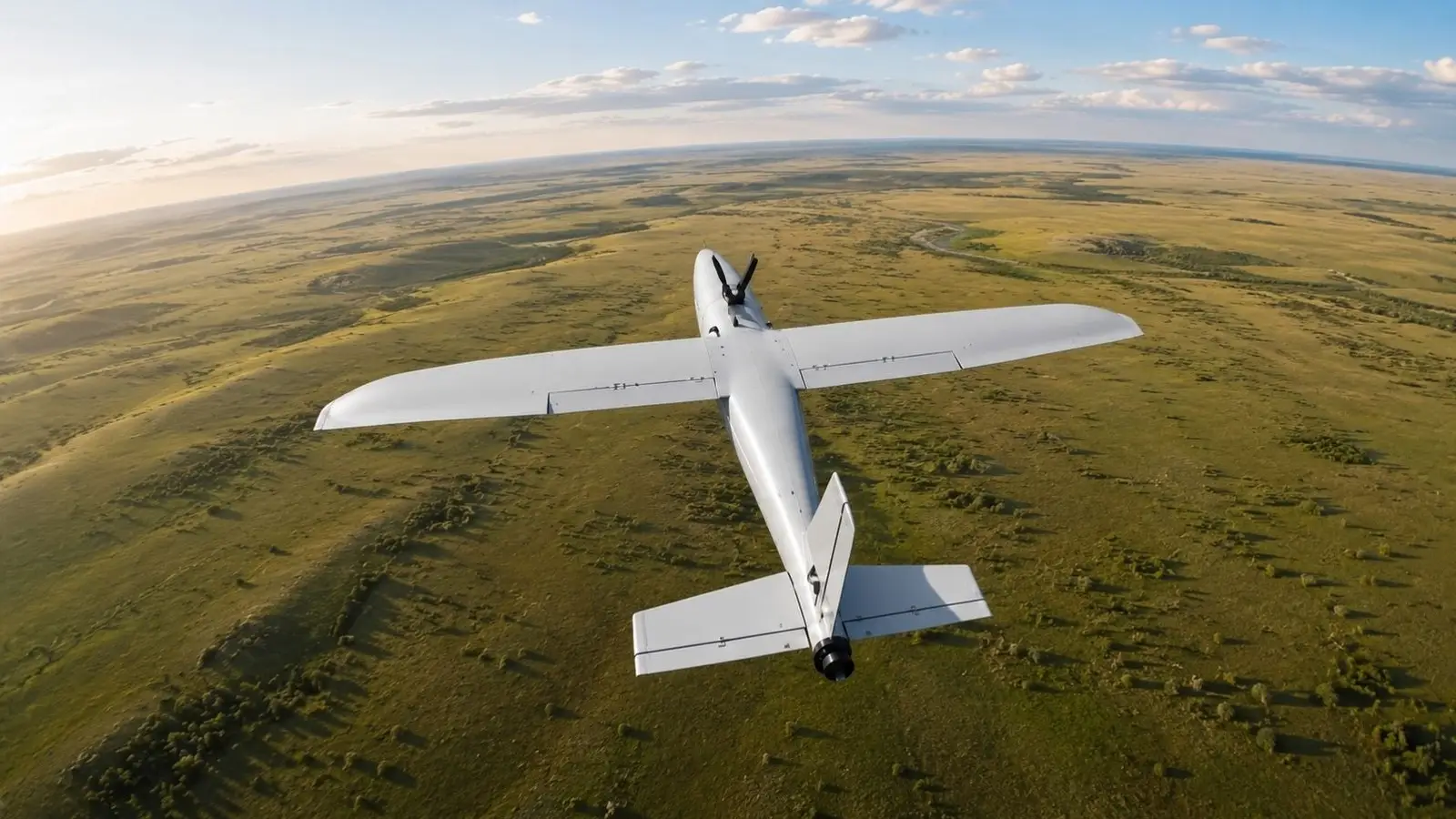
Establishing a buffer zone up to 100 kilometers deep along the Russia-Ukraine border would fail to guarantee Russian security because Ukrainian drones can strike targets far beyond that distance, according to retired Russian Army Colonel and military commentator Viktor Baranets.
Baranets argued that pushing the front line farther away from Russian territory would not eliminate the threat of long-range drone attacks. Ukrainian unmanned aerial vehicles, he noted, are already capable of traveling 300, 500 and even 800 kilometers, making buffer zones of 20, 50 or 100 kilometers insufficient to prevent strikes.
The retired colonel also warned that maintaining control over territories designated as buffer zones would present serious security challenges.
In his assessment, deploying troops alone would not be enough. Russia would also need to establish local administrative authorities, law enforcement agencies and counterintelligence structures to maintain control and prevent the emergence of armed underground groups.
Without such measures, Baranets believes the territories could face insurgent activity, terrorist attacks, killings and sabotage operations.
He compared the potential security situation to western Ukraine after 1945, when Soviet authorities confronted nationalist underground organizations and armed resistance groups, including formations he described as the Forest Brothers.
Baranets maintained that Russia could achieve lasting security only by depriving Ukraine of the means to carry out military strikes.
He also called for a peace agreement containing explicit provisions for severe retaliatory strikes against Ukrainian nationalist formations in response to even minor violations of the agreed terms.
According to the military analyst, any future settlement should clearly establish the consequences of renewed attacks rather than relying solely on territorial buffer zones.