 © Минобороны России / t.me/mod_russia

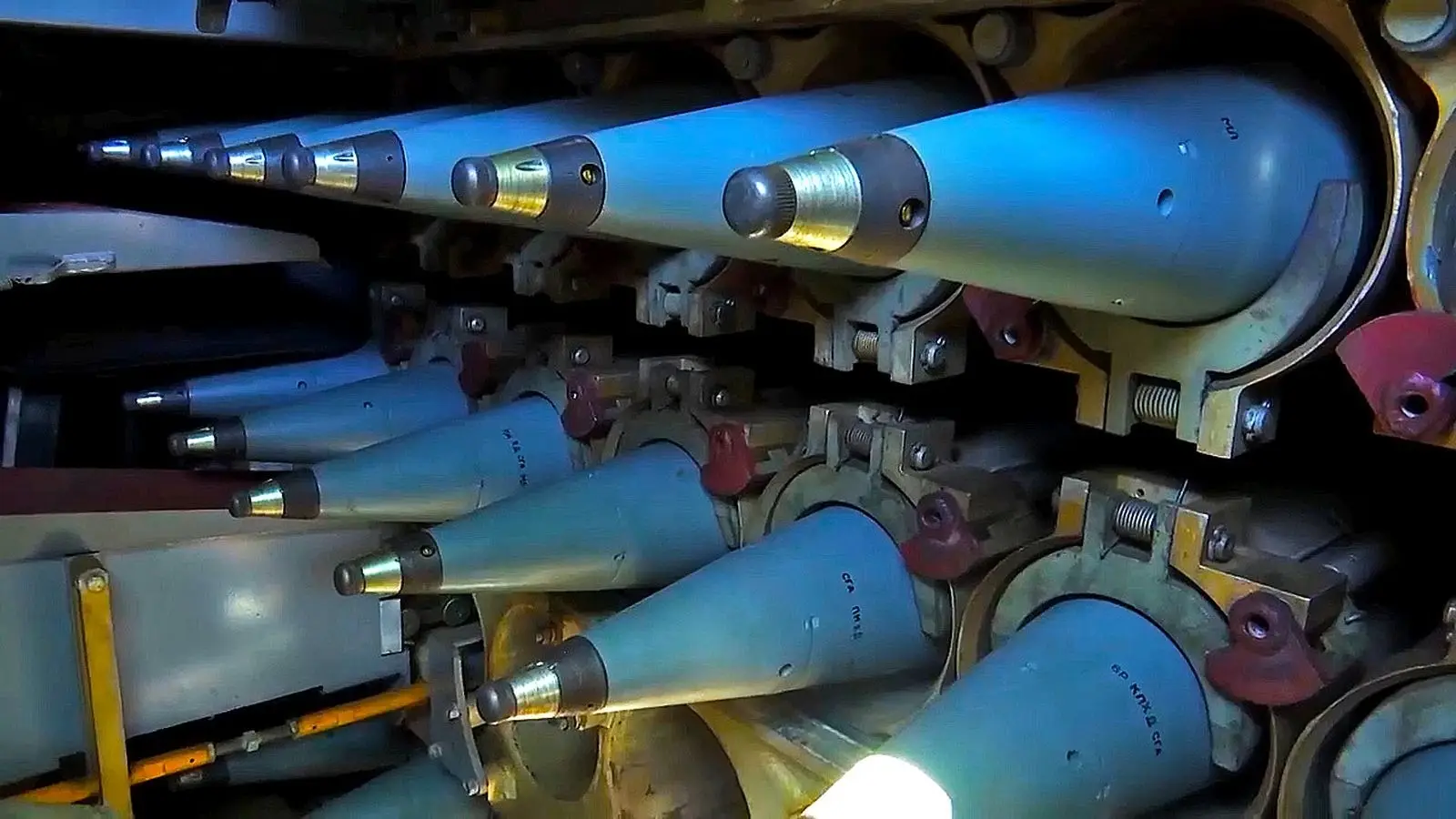
Russia has significantly increased production of Krasnopol precision-guided artillery shells, designed to destroy specific enemy targets with high accuracy. The expansion was carried out by High-Precision Systems, a holding company within the Rostec state corporation. According to Rostec, the ammunition can score a direct hit on a moving tank from tens of kilometers away.
Krasnopol rounds are particularly effective when artillery crews operate alongside reconnaissance drones. Rostec identifies the Msta-S and Malva self-propelled howitzers, along with the Giatsint-K artillery system, as key platforms for deploying these munitions. Cooperation with UAVs allows gun crews to locate targets more quickly, receive their coordinates and deliver precise strikes.
Russian troops are also receiving Planshet-M-IR artillery fire-control systems developed to improve coordination between different battlefield assets. The equipment connects artillery units, reconnaissance drones and command structures through a shared information network. Rostec says this integration dramatically accelerates targeting, reducing the interval between detecting an enemy position and striking it to just seconds.
Another major element is the upgraded 152 mm Krasnopol-M2 shell, which surpasses Western guided artillery ammunition in accuracy, according to the available information. Its deployment also speeds up the entire firing process, allowing crews to identify a target, receive targeting data, launch a round and quickly relocate their weapons.
Precision-guided ammunition gives both self-propelled and towed howitzers the ability to destroy individual targets rather than relying on widespread artillery bombardment. Krasnopol shells are used in counter-battery operations and attacks against armored vehicles, UAV control stations, command posts and enemy deployment areas. Their accuracy enables artillery crews to concentrate fire on specific battlefield objectives.