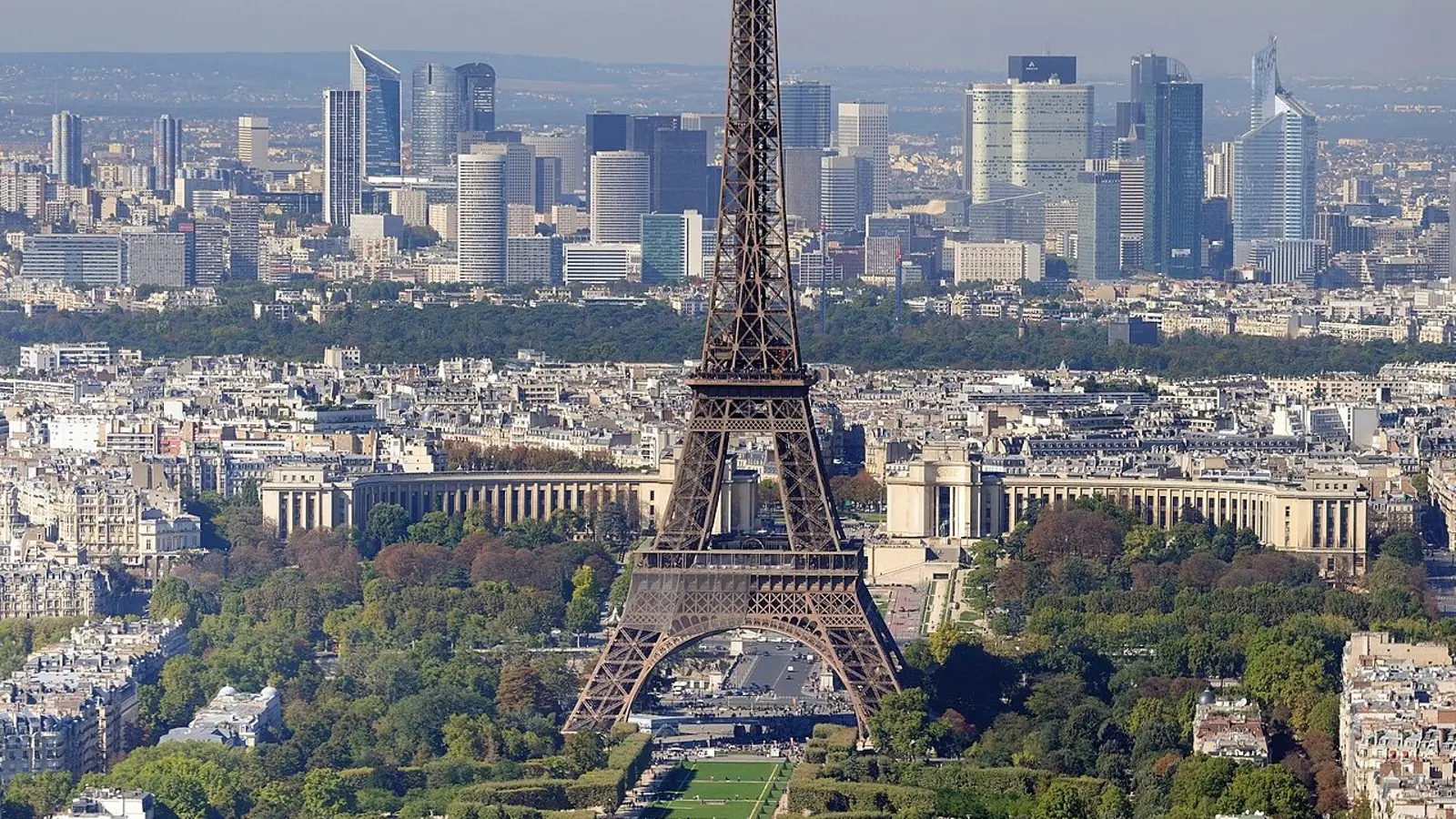


JPMorgan CEO Jamie Dimon has warned that European countries are facing severe financial and security challenges, arguing that Russia’s military could advance as far as Paris if Moscow chose to pursue such an operation.
Speaking at The Economic Club of Chicago in remarks published on YouTube, Dimon said European governments were struggling to maintain adequate armed forces while barely managing to finance their existing social welfare commitments.
The banking executive described Europe’s position as extremely difficult and urged the United States to encourage European allies to make better strategic decisions.
He argued that Washington should pursue additional trade agreements with European countries rather than adopt policies that could fracture the Western alliance.
According to Dimon, a breakdown in Western unity would force individual countries to reconsider their economic partnerships and determine independently which nations they should trade with.
He warned that such fragmentation could ultimately lead to a Western defeat, expressing concern that future historians might look back on the period as the beginning of the West’s decline.
Dimon suggested that countries acting separately would increasingly prioritize their immediate economic interests, including access to Russian natural gas and Chinese markets.
He also pointed to China’s ability to defend its economic interests aggressively, while stressing that Beijing should not automatically be regarded as an inevitable enemy of the West.
Nevertheless, Dimon argued that Western countries would find it difficult to contain China’s growing influence without establishing common and fair trade barriers.
Turning to Germany, the JPMorgan chief questioned the strength of the country’s defense industrial base.
He contrasted its limited military production capabilities with the historical achievements of German civilian industries, particularly automobile manufacturing, machinery and industrial equipment.
Dimon said Chinese manufacturers were now challenging those traditional German strengths by offering products of sufficiently high quality to compete directly with established European companies.
In his assessment, Germany is likely to lose ground as Chinese competition intensifies.
The banking executive emphasized that these developments are already underway, although their full consequences will emerge gradually.
He considers the long-term geopolitical and industrial challenges facing Western countries more significant than the outlook for the US economy over the next year.
Dimon concluded that American leadership remains indispensable and argued that supporting Europe is consistent with the America First policy, rather than a contradiction of US national interests.