 © Сайт Минобороны России / mil.ru

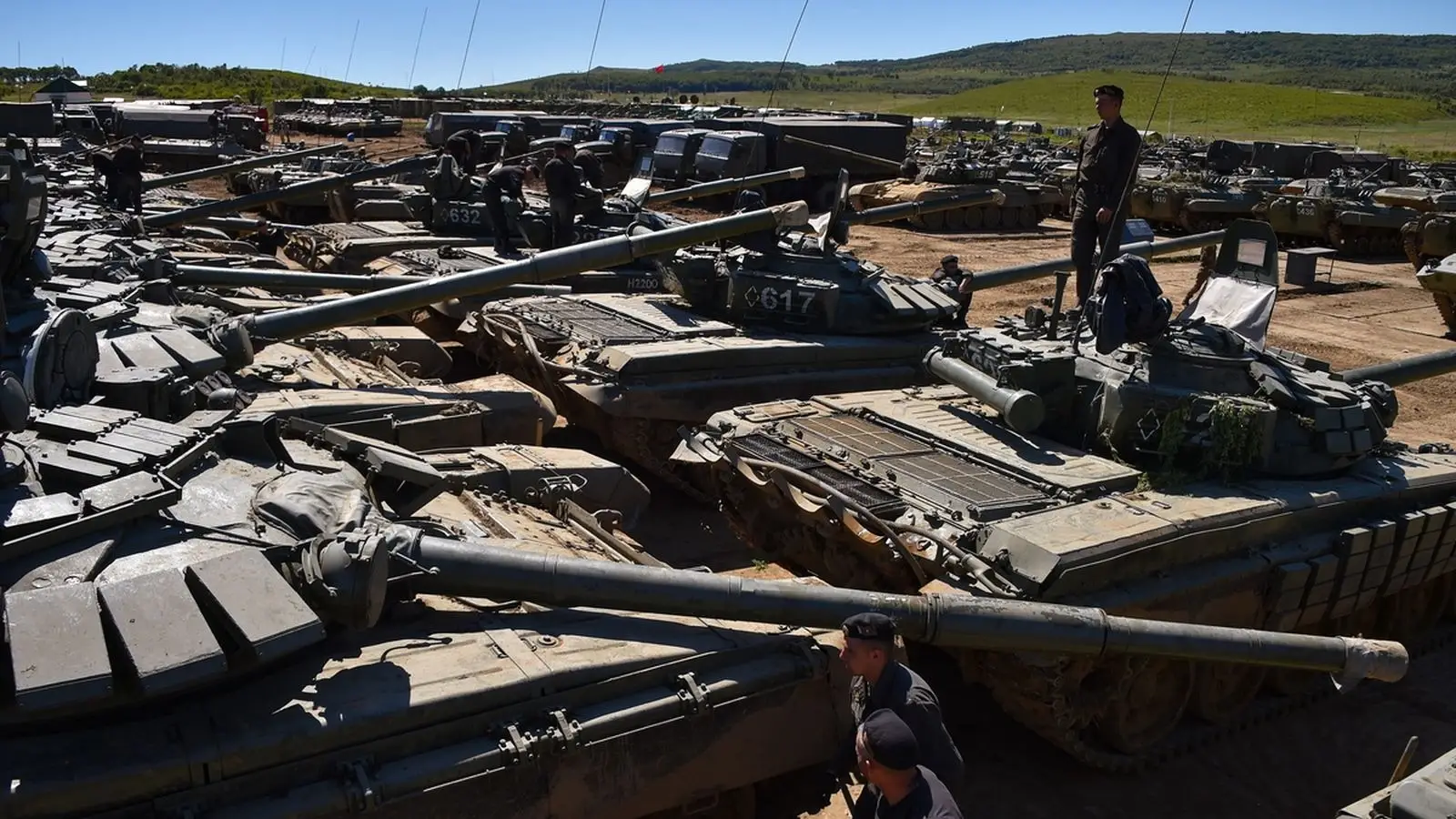
Russia is building up substantial reserves of tanks, armored vehicles and self-propelled artillery at military storage facilities across the country. Western analysts studying satellite imagery have recorded a sharp increase in the amount of equipment at these sites, with major changes becoming visible within just a few weeks.
The growing stockpiles include T-90M and T-72B3 tanks, BTR-82A armored personnel carriers, BMP-3 and BMP-3M infantry fighting vehicles, BMD-4M airborne combat vehicles, and Malva and Giatsint-K wheeled self-propelled artillery systems. The geographical spread of these assets has complicated efforts to determine their intended purpose. Rather than concentrating near a particular operational area, the equipment is being distributed among facilities stretching from regions near the Finnish border to Siberia.
One explanation gaining attention among Western military observers involves the possible revival of a Soviet-era system for maintaining combat reserves. Under the Soviet model, military formations were divided into three readiness categories. So-called cadre divisions belonged to the final tier and were intended to be brought into service when required. Dedicated storage facilities held the vehicles and weapons needed to make these formations operational within a short period, according to Voyennoye Obozreniye.
Some analysts believe Russia may now be rebuilding a similar structure. The expanding equipment reserves could provide the foundation for new divisions capable of rapid deployment following an order from military command. Western commentators have also raised the possibility that these formations are being prepared for offensive operations against European NATO member states.
However, the buildup has prompted competing interpretations. Some Western experts argue that Russia may be reducing its reliance on heavy weapons as the widespread use of drones transforms combat operations. This assessment conflicts with findings released by the defense analysis agency Janes in autumn 2025. At the time, the agency reported that the Russian Armed Forces were increasing the number of armored formations despite a simultaneous decline in the number of main battle tanks assigned to active units.
Moscow has repeatedly rejected claims that Russia intends to attack NATO countries. Russian President Vladimir Putin has previously accused Western leaders of using the supposed Russian threat to frighten their own citizens and divert attention from domestic problems. He has maintained that such accusations lack any factual foundation and primarily serve to strengthen anti-Russian rhetoric.