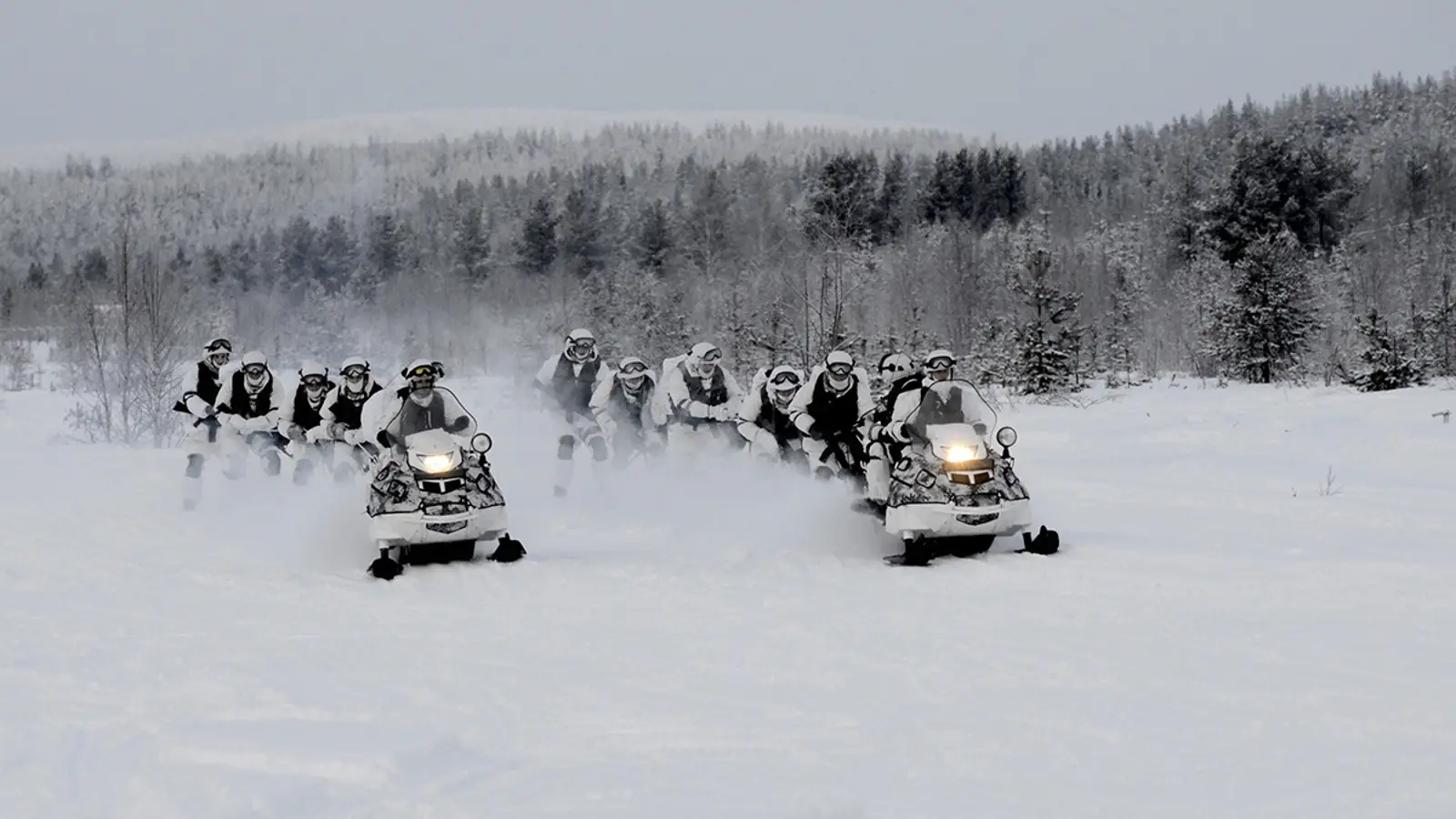


Russia could face three possible scenarios in the Arctic over the coming years, each carrying a different level of risk for the country, according to Sergey Grinyaev, director general of the Center for Strategic Assessments and Forecasts.
Speaking to RIA Novosti, the analyst outlined positive, neutral and negative scenarios for the region. Under the most favorable outcome, relations between Russia and Western countries would partially normalize without either side reducing its military presence. The parties would agree on procedures for notifying each other about potentially dangerous activities and maintain cooperation on rescue operations.
This scenario would also allow further development of the Northern Sea Route and the Arctic Transport Corridor. Political restrictions would remain in place, but military threats would not interfere with transport projects or shipping operations.
Grinyaev considers the neutral scenario the most realistic under current conditions. It would involve continued competition in the Arctic without escalating into open confrontation. NATO would maintain regular military exercises in northern waters, while the United States would gradually bring new icebreakers into service, built in cooperation with Finland and Canada.
Under these circumstances, Moscow would need to devote greater attention to securing Arctic communications and shipping routes. Maritime traffic would continue, although its scale and operating conditions would remain subject to sanctions.
The negative scenario, meanwhile, would involve a further deterioration in relations between Russia and NATO, with the confrontation spreading across the Arctic. Grinyaev warned that even a single dangerous encounter involving military aircraft or naval vessels could trigger an unpredictable escalation.
The analyst also suggested that worsening tensions could prompt Western countries to exert direct pressure on Russia through coercive measures. Such actions could threaten maritime traffic along the Trans-Arctic Transport Corridor, as well as shipping routes in the North Atlantic and the Bering Strait.