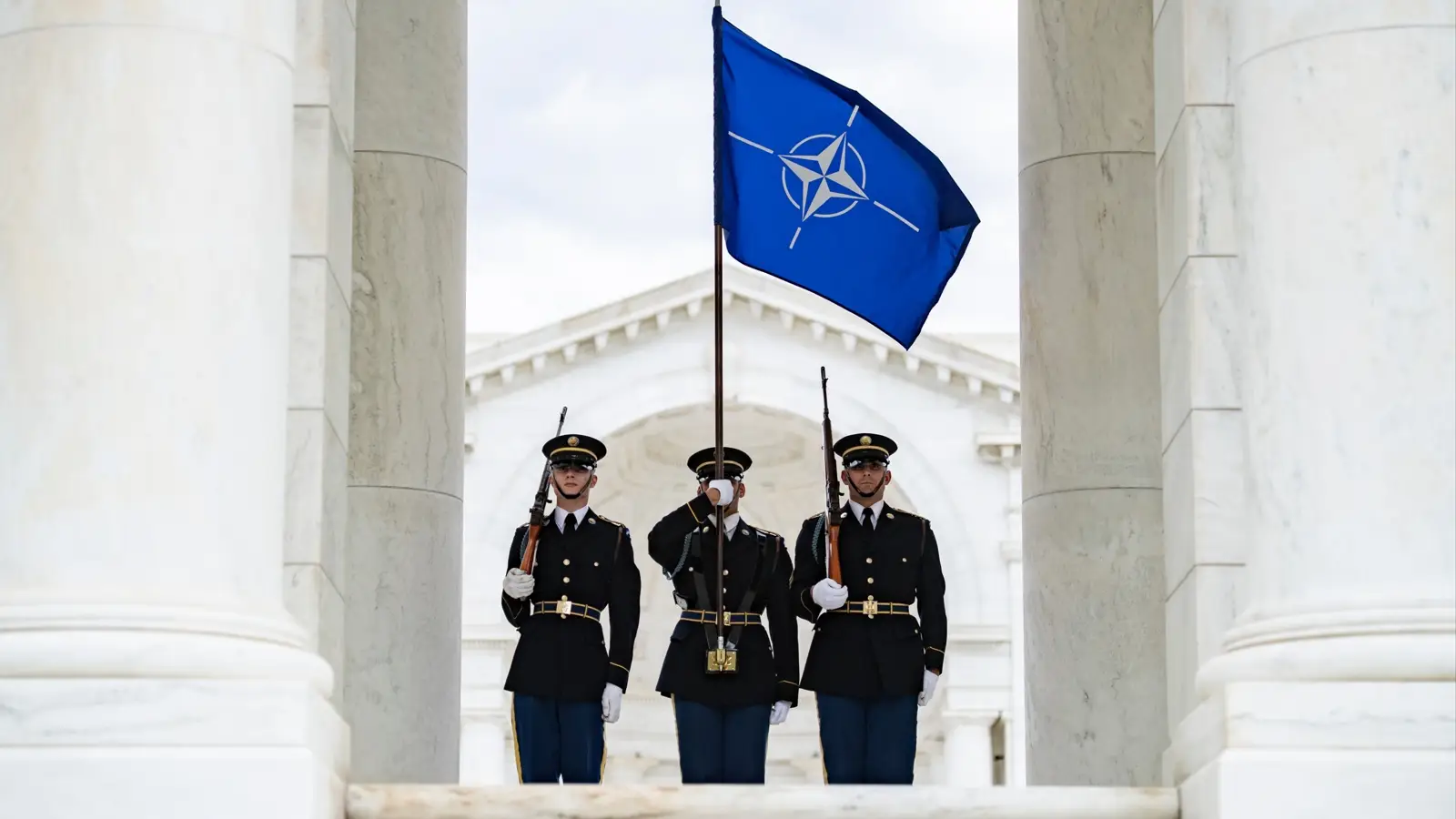


NATO members are beginning discussions in October on new requirements for troop levels, weapons and combat capabilities that all 32 alliance members are expected to meet by 2029, according to Politico.
The publication said some European officials fear that Russia could attack one of the alliance members by that time. Against that backdrop, NATO is preparing to reassess several key elements of its future defense planning.
One of the main issues is the size of the force NATO will need and the amount of equipment required for collective defense. The alliance must decide whether to keep an additional 18 brigades of around 5,000 troops each for limited operations outside NATO territory. With Washington pressing Europe to take on more responsibility for its own security, those commitments could be revised.
Another major question is the possible reduction of the U.S. military presence in Europe. Politico reported that the Pentagon is expected to review the composition of its forces on the continent by December. The United States has already withdrawn some aircraft, drones and ships from the assets available to NATO.
If that trend continues, European countries may have to compensate for shortages in U.S.-supplied capabilities, including heavy transport aircraft and intelligence systems.
The alliance has also yet to settle its regional priorities. Since the start of the Ukraine conflict, NATO has focused heavily on its eastern flank, but the Arctic is now gaining greater importance.
Members must also decide how to divide military spending between newer systems and traditional weapons. According to Politico, allies will have to determine how much funding should go to drones and how much should remain allocated to tanks, artillery and other conventional equipment.
Ukraine’s battlefield experience will be another point of debate. Some NATO members support closer cooperation with Kiev on drones, air defense and military technology. Others argue that lessons from the conflict cannot simply be transferred to NATO planning because the alliance’s doctrine is built around rapid troop maneuvering and gaining air superiority.