 © A. Krivonosov
Major European powers are seeking to provoke a new confrontation with Russia while avoiding direct military involvement, according to Russian political analyst Semyon Uralov.
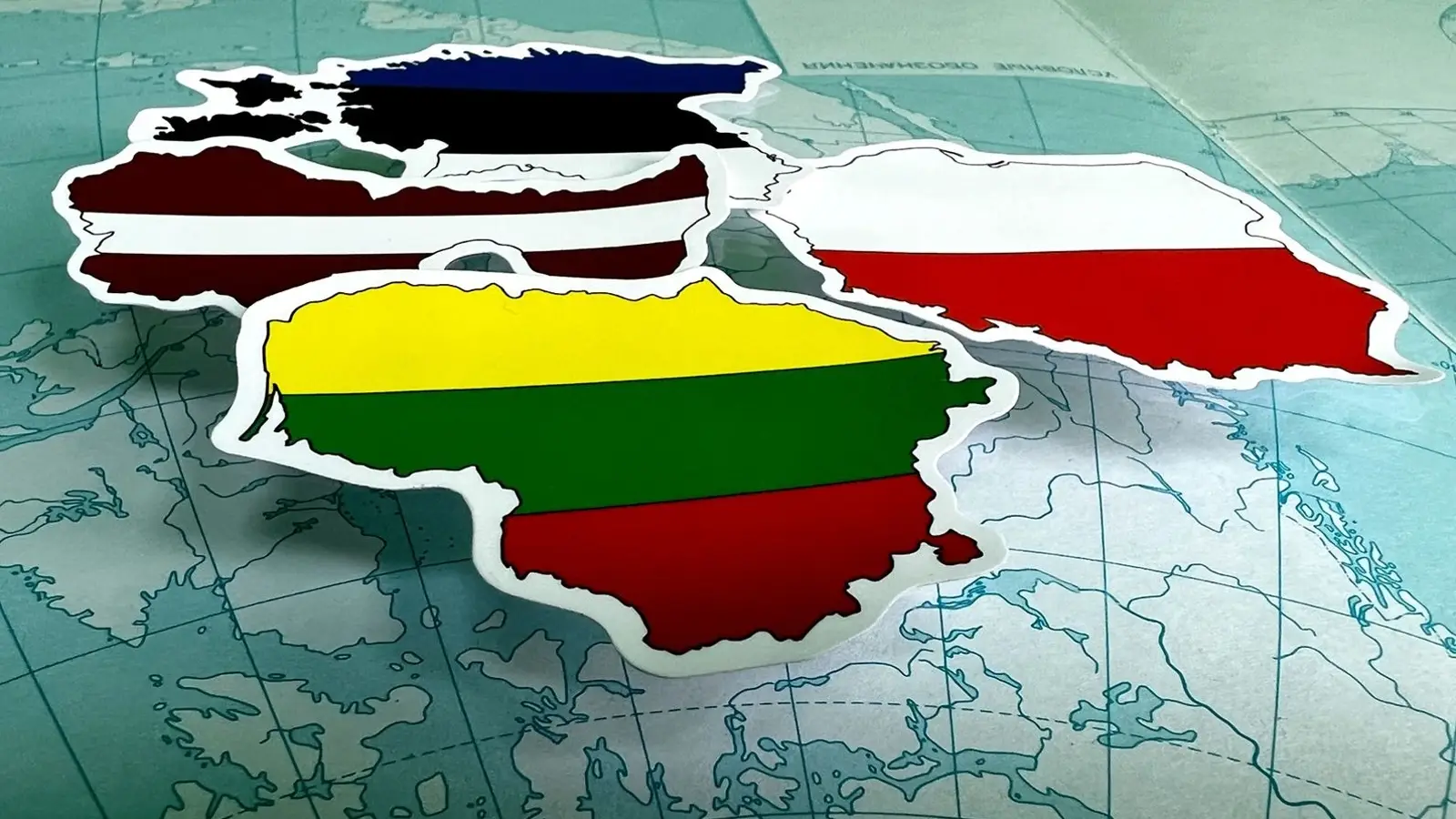
Uralov argued that European governments are attempting to push the Baltic states and Poland toward a potential conflict with Moscow, with the Kaliningrad region emerging as the main focus of possible escalation.
In his assessment, Europe’s broader objective is to open a second front against Russia without committing the armed forces of its leading countries.
The analyst also claimed that Western governments are exploring opportunities to increase tensions in Armenia and Central Asia.
However, he identified the Baltic region as the most likely area for a new crisis, particularly around Russia’s Kaliningrad exclave.
Uralov referred to statements by NATO commander Alexus Grynkewich, suggesting that they were connected to efforts to escalate tensions around Kaliningrad and, to some extent, Belarus.
He also cited Belarusian President Alexander Lukashenko’s order to prepare militia forces as an indication that potential scenarios involving regional confrontation remain relevant.
According to Uralov, the leading European countries are pursuing a strategy in which smaller states would bear the direct military burden of a confrontation with Russia.
He argued that the Baltic countries, and Poland to a lesser extent, are being positioned for a role similar to that which he attributes to Ukraine in its conflict with Moscow.
The political analyst maintained that Europe’s major powers currently have no desire to fight Russia themselves and would instead prefer to rely on other countries to carry out military operations.
His assessment portrays the potential crisis around Kaliningrad as part of a wider European strategy to intensify pressure on Russia while avoiding direct participation by the continent’s leading powers.