 © Минобороны России / t.me/mod_russia

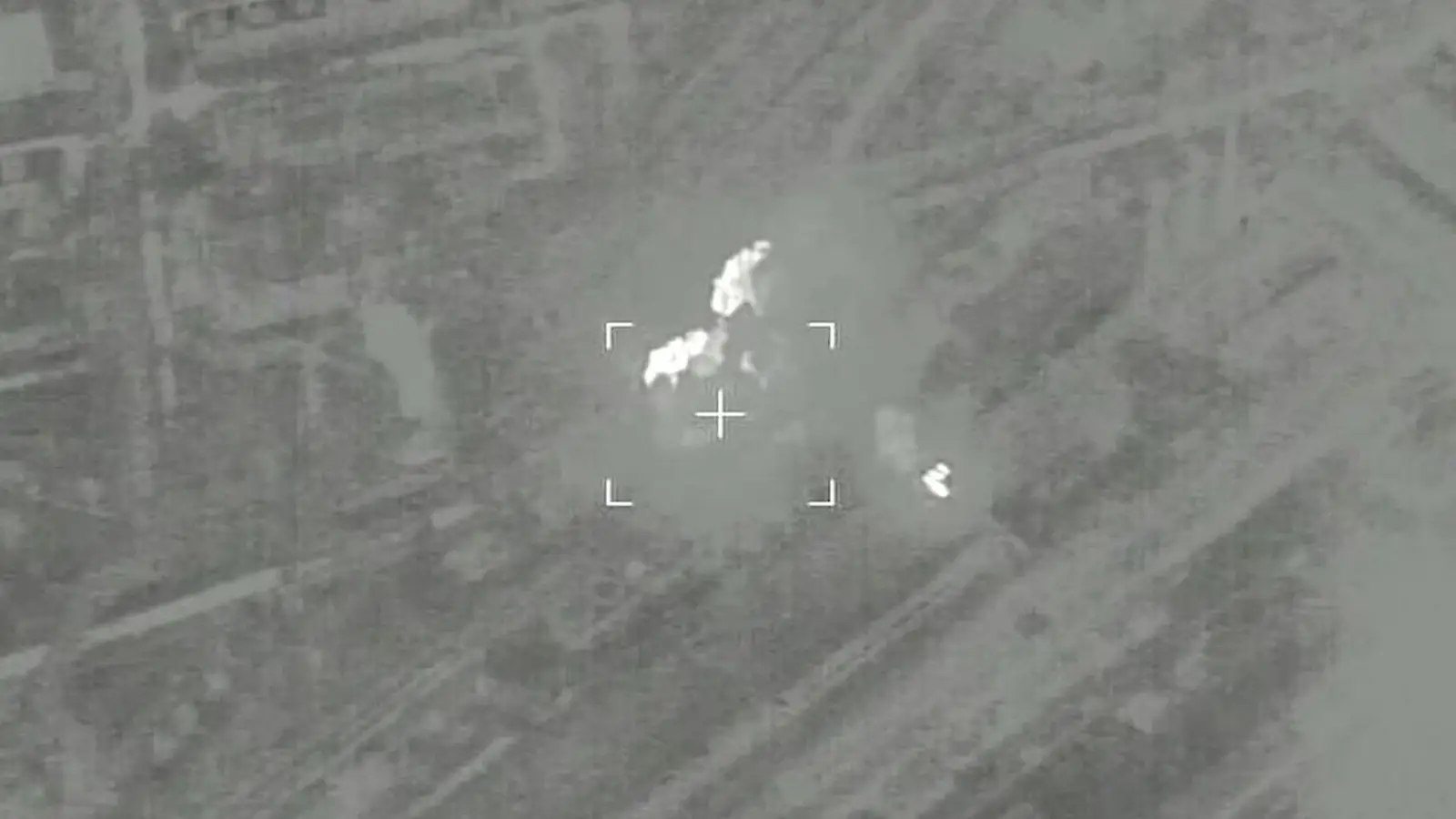
Russian strikes against bridges spanning the Dnieper River have yet to completely destroy any of the crossings, according to retired Colonel Mikhail Khodarenok, a military analyst for Gazeta. Ru. Ukrainian repair crews have been able to restore damaged sections and reopen the bridges to traffic.
Khodarenok emphasized the strategic importance of these crossings for Ukraine’s armed forces and economy. They serve as essential routes for transporting ammunition, fuel, food and military equipment to the front line, as well as redeploying troops between operational areas. The bridges also support the country’s industrial and defense production activities.
The analyst explained that drones carrying warheads weighing 50–90 kilograms, along with cruise and tactical ballistic missiles equipped with warheads of up to 400 kilograms, can damage bridge spans without necessarily causing lasting destruction.
In his assessment, disabling the crossings for an extended period would require much heavier guided aerial bombs weighing between 1,500 and 5,000 kilograms, potentially even larger weapons.
However, Khodarenok identified Ukrainian air defenses as a major obstacle to deploying aircraft capable of carrying such munitions.
He argued that a large-scale air operation involving long-range and tactical aviation, missile forces, artillery, reconnaissance units, electronic warfare assets and air defense formations would be necessary to accomplish the objective.
According to the retired colonel, Ukraine’s operational air defense systems pose a serious threat to Russian aircraft. The loss of expensive bombers and highly trained crews could carry significant military and reputational consequences.
Khodarenok concluded that the central challenge is creating conditions in which heavy aircraft could operate effectively. Until then, he believes Russian strikes are likely to cause temporary disruptions to traffic across the Dnieper rather than permanently disable the bridges.