 © A. Krivonosov

US intelligence has repeatedly failed to detect launches of certain Russian missiles used in strikes against Ukraine, according to retired Major General Vladimir Gavrilov, a former Ukrainian deputy defense minister.
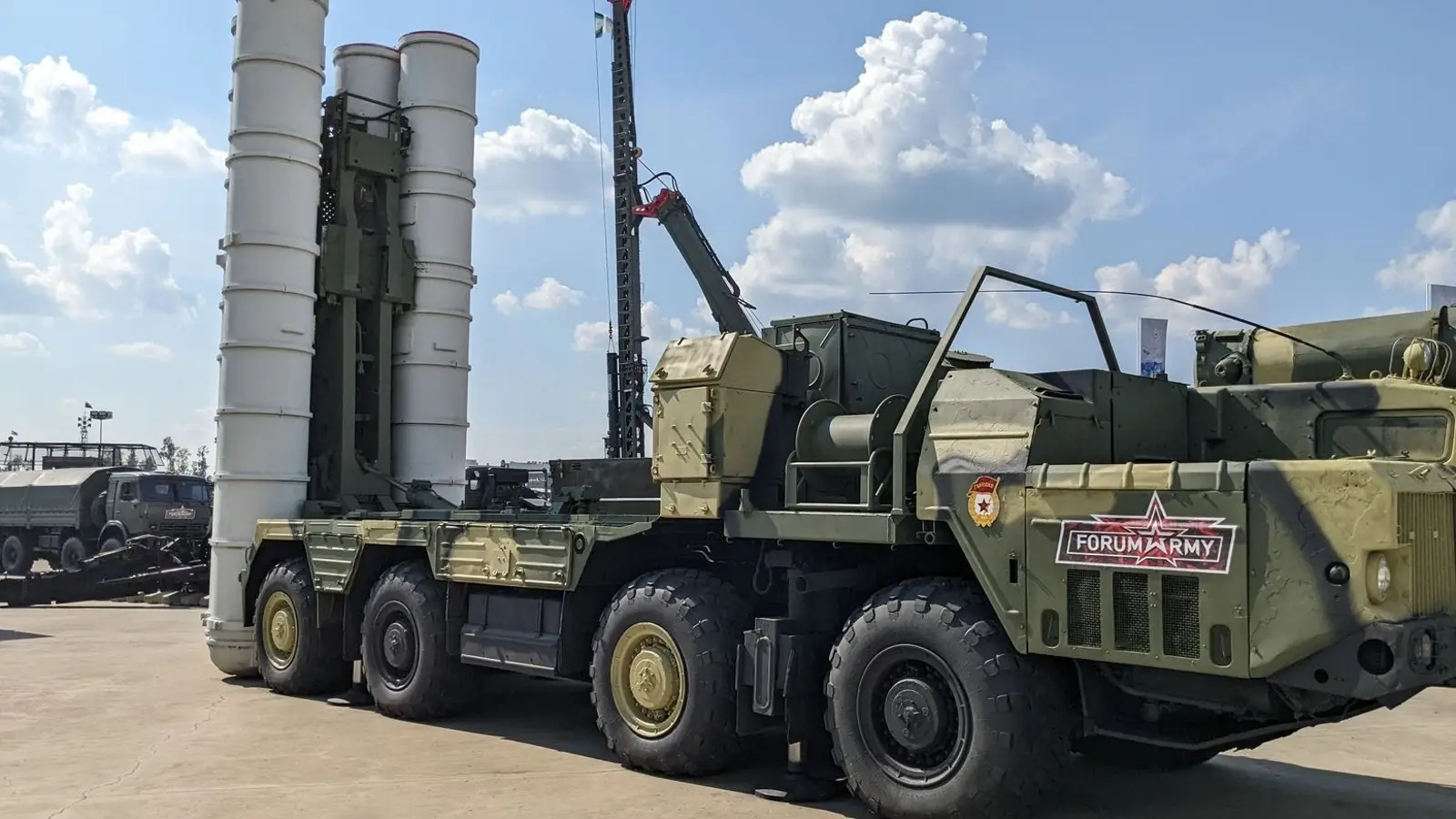
Gavrilov attributed the detection failures to technical characteristics of modified Russian RM-48U missiles, which he said are launched from S-300 and S-400 air defense systems to strike ground targets.
He explained that Russia has been adapting missiles originally associated with air defense systems for attacks against targets on Ukrainian territory. Their specialized design makes them particularly difficult to detect using satellites and other reconnaissance capabilities.
According to the former defense official, identifying these launches requires additional surveillance equipment, as existing intelligence systems have struggled to track the modified missiles.
Gavrilov stressed that the difficulties had nothing to do with Washington restricting intelligence cooperation with Kiev. He denied that the United States had delayed or interrupted the exchange of reconnaissance information.
The retired general said Ukrainian forces had encountered similar Russian missiles before, but their use during recent strikes again exposed limitations in the systems responsible for detecting incoming threats.
He noted that the failure to identify certain launches prompted speculation in Ukraine that Washington had made a political decision to reduce intelligence support.
Gavrilov rejected that interpretation, arguing that the timing was coincidental and that the problem stemmed from the technical challenges of tracking the Russian missiles rather than any change in US policy.
He maintained that intelligence-sharing arrangements between the United States and Ukraine remained uninterrupted despite the recent detection failures.