 RusPhotoBank

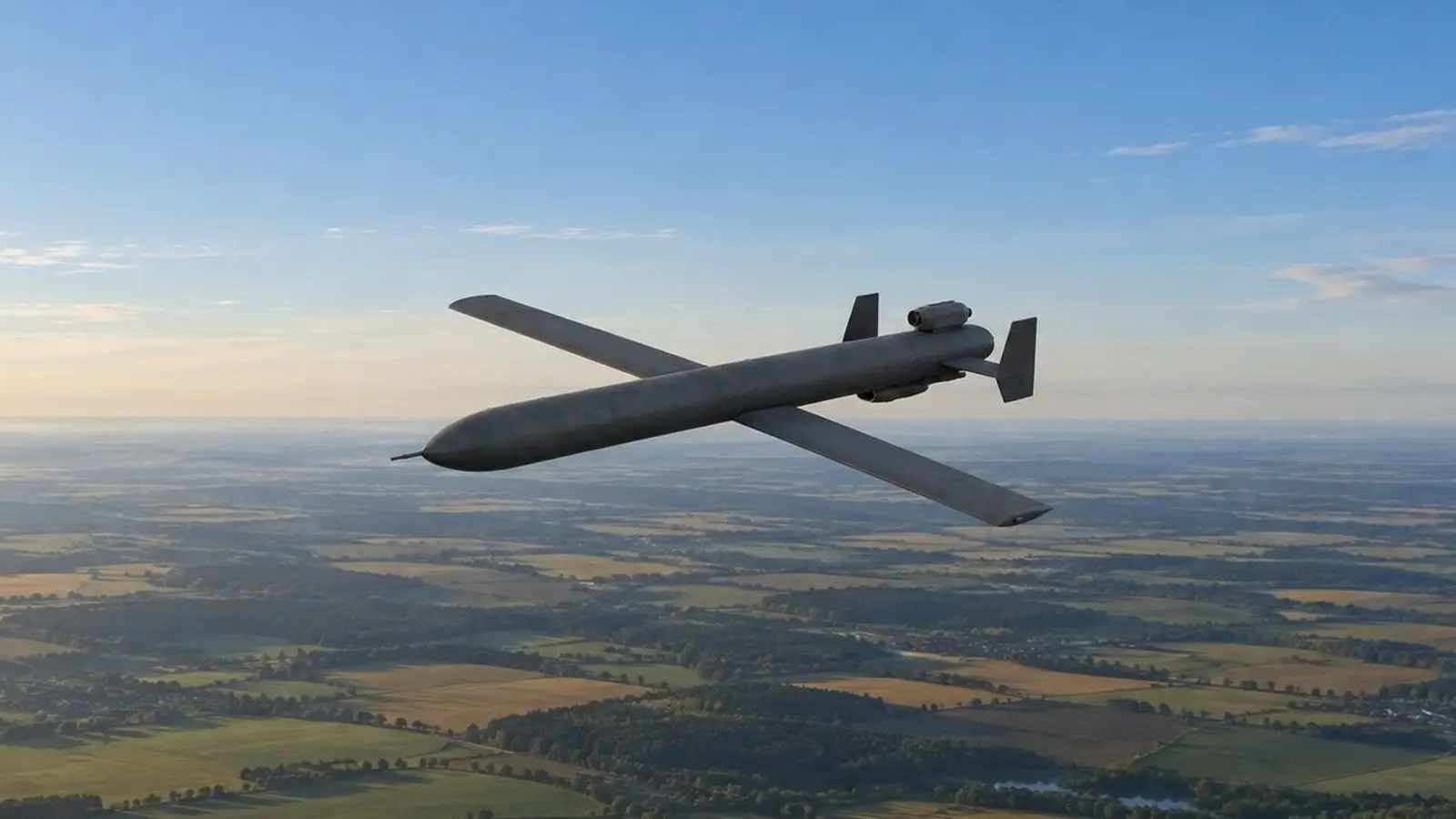
Russia’s Geran strike drones have evolved from relatively slow unmanned aircraft into high-speed, jet-powered systems. Military specialists have described the introduction of the Geran-4 and Geran-5 as one of the most significant developments in the Ukraine conflict in 2026.
Military commentator and retired Colonel Viktor Baranets identified increased speed as a major advantage of the latest modifications. According to him, earlier models could reach no more than 600 km/h, while the newer versions are capable of accelerating to 800 km/h.
Baranets claimed that Ukrainian radar systems struggle to track and engage the faster drones, leaving air defense crews with insufficient time to launch missiles capable of intercepting them.
The analyst described the latest Geran variants as the best drones in their class worldwide. He also highlighted the Geran-5 K5, noting that the newer models use advanced jet engines.
The Geran program began with the purchase of Iranian-designed drones during the early stages of the Ukraine conflict. However, Baranets argued that the original aircraft were far less capable than their modern Russian counterparts.
Over successive upgrades, Russian engineers increased flight range, speed, and engine power while improving onboard equipment. The drones gained radar systems, thermal imaging cameras, and laser-based technology.
Artificial intelligence has also become a major part of the Geran’s development, with the latest versions reportedly incorporating advanced autonomous capabilities.
According to Baranets, these systems allow a drone to adjust its priorities during a mission. Rather than simply following its original flight instructions, the aircraft can identify a more important target and redirect itself toward it.
The drones' payload capacity has also increased substantially. Baranets said the earliest Geran models carried warheads weighing approximately 15 kilograms, while the Geran-5 can accommodate a payload of up to 90 kilograms.
Looking ahead, the analyst predicted that future generations could feature more sophisticated artificial intelligence, stronger engines, and even greater speeds.
He suggested that a future Geran modification might reach 1,000 km/h, approaching the speed of a modern jet aircraft. Baranets also expects subsequent versions to carry more powerful explosive payloads.
Another major focus of development is protection against external interference with drone control systems.
According to the retired colonel, Ukrainian specialists, working with Western allies, learned to identify radio frequencies used to control Russian drones during the early stages of the conflict. This enabled attempts to disrupt their operation.
Baranets said the third and fourth generations of Geran drones subsequently received systems designed to counter such interference.
He predicted that the prospective Geran-6 could feature the most advanced protection technology in the family, potentially making it the first version resistant to hostile attempts to take control of the aircraft.