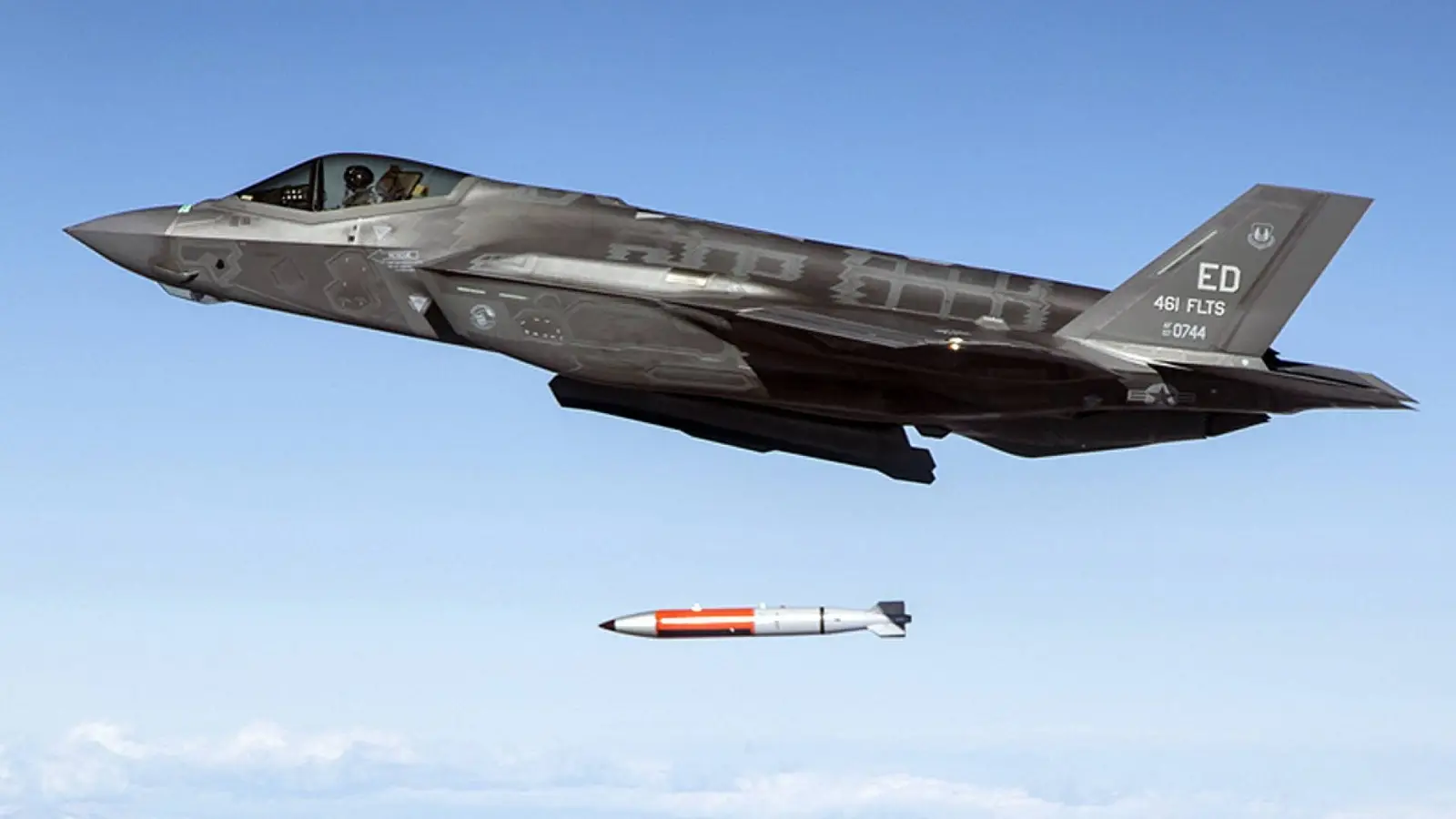


Several European countries are removing legal barriers that could allow nuclear weapons to be stationed on their territory, according to Konstantin Vorontsov, deputy director of the Russian Foreign Ministry’s Department for Non-Proliferation and Arms Control.
As reported by RIA Novosti, Vorontsov said a number of non-nuclear European states are revising their national legislation and military doctrines to eliminate restrictions on the presence of nuclear weapons. These changes could open the way for nuclear deployments in countries that do not possess their own arsenals.
The Russian diplomat also accused NATO members of expanding their collective nuclear deterrence arrangements. He argued that such measures undermine the Treaty on the Non-Proliferation of Nuclear Weapons and strengthen the alliance’s overall military capabilities, which Moscow considers a threat to its security.
On July 7, Lithuania’s parliament began the process of removing a constitutional ban on storing nuclear weapons. Finland had previously lifted similar restrictions. Meanwhile, representatives of Poland, Latvia and Estonia have expressed willingness to host nuclear weapon delivery systems. Unlike Lithuania, these countries would not need to amend their legislation to permit such deployments.
Norway has also begun supporting NATO nuclear missions using conventional aircraft. In May, Oslo joined a French nuclear deterrence initiative involving intelligence sharing and joint military exercises.