 RusPhotoBank

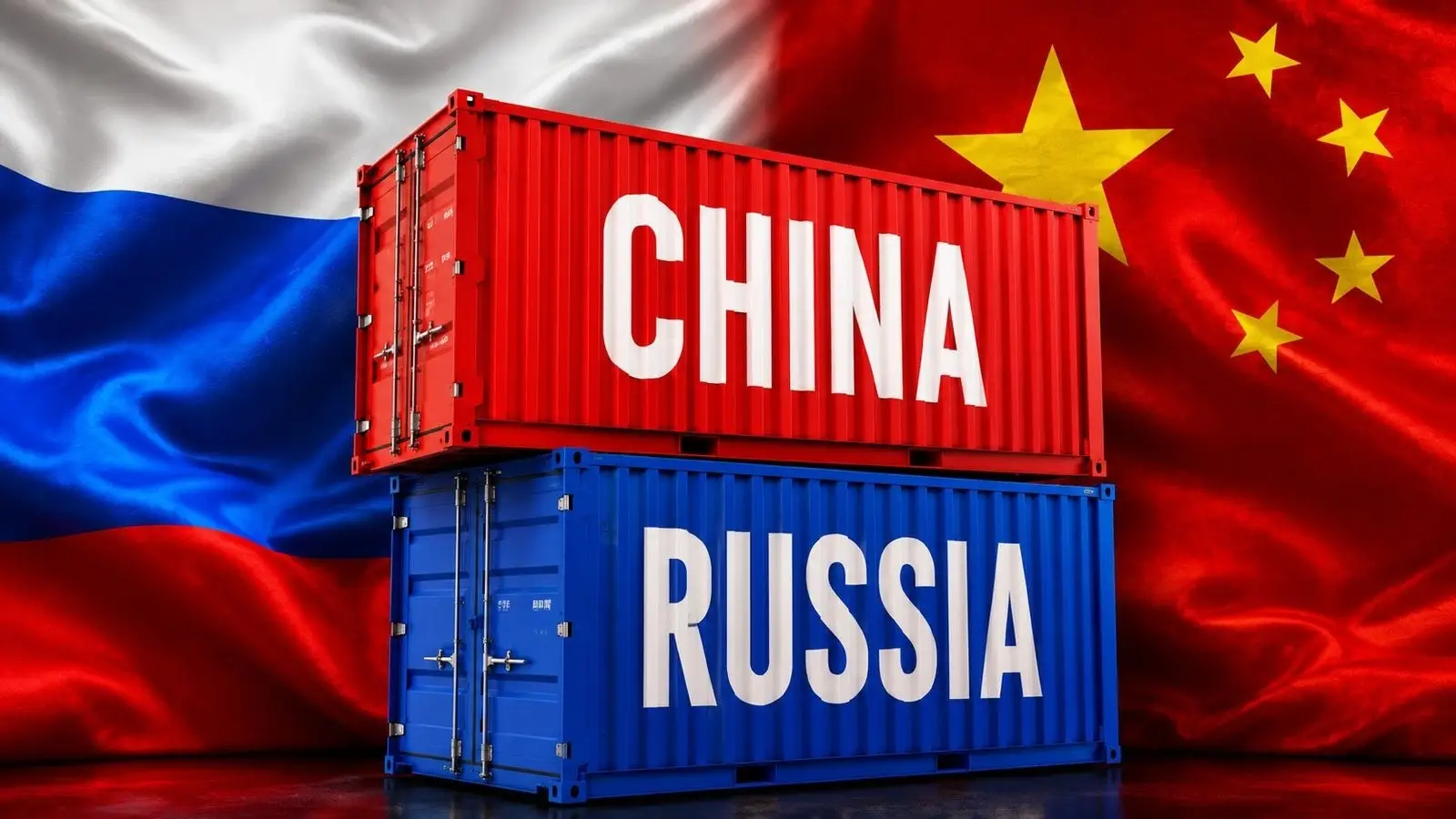
Russia and China are looking to expand Arctic shipping to reduce their dependence on established maritime trade routes. According to Asia Times, the initiative goes far beyond transporting cargo: a shared network of ports, technology and logistics could strengthen both countries' ability to withstand geopolitical pressure.
During his October 8–13 visit to China, Nikolai Patrushev, an adviser to the Russian president, discussed linking Russia’s Trans-Arctic Transport Corridor with China’s Maritime Silk Road. Moscow proposed involving Chinese companies in developing northern ports, establishing direct container services between Yangshan Port and Russian harbors, and introducing digital technologies to automate terminal operations. Shipbuilding, maritime education and scientific research were also on the agenda. For now, these initiatives remain proposals.
The two countries already have a substantial economic foundation for closer cooperation. Bilateral trade exceeded $200 billion for the third consecutive year in 2025. Meanwhile, cargo traffic along the Northern Sea Route reached a record 37.9 million tons in 2024, including 3.09 million tons of transit shipments.
The potential advantages of Arctic shipping became clear in October 2025, when a Chinese container vessel reached Britain from China in just 20 days. A conventional voyage typically takes 40–50 days. However, severe ice conditions, inadequate infrastructure, expensive insurance and a limited navigation season mean the Arctic cannot replace the Suez Canal anytime soon. For Beijing, the main priority is securing an alternative route that reduces reliance on the Suez Canal and the Malacca and Bab el-Mandeb straits.
The geopolitical consequences of this cooperation are unlikely to escape Washington’s attention. In 2025, the US Coast Guard identified five Chinese research vessels operating in or near the American Arctic and increased its patrols in response. The article’s author believes stronger maritime cooperation between Moscow and Beijing will complicate Japan’s strategic position. It could also give China greater confidence that a crisis surrounding Taiwan would not paralyze its broader trade and energy supplies.
Nevertheless, expanding commercial ties does not automatically mean establishing a military alliance. Asia Times warns that closer Russian-Chinese cooperation could further fragment global shipping, dividing it into competing networks with separate technologies and standards. At the same time, high operating costs and challenging Arctic conditions remain serious obstacles to implementing these ambitious plans.