 © Сайт Минобороны России / mil.ru

Russian and Ukrainian forces are increasingly moving their battles underground, using extensive Soviet-era pipeline networks to conduct military operations beyond the reach of constant drone surveillance, The Wall Street Journal reports.
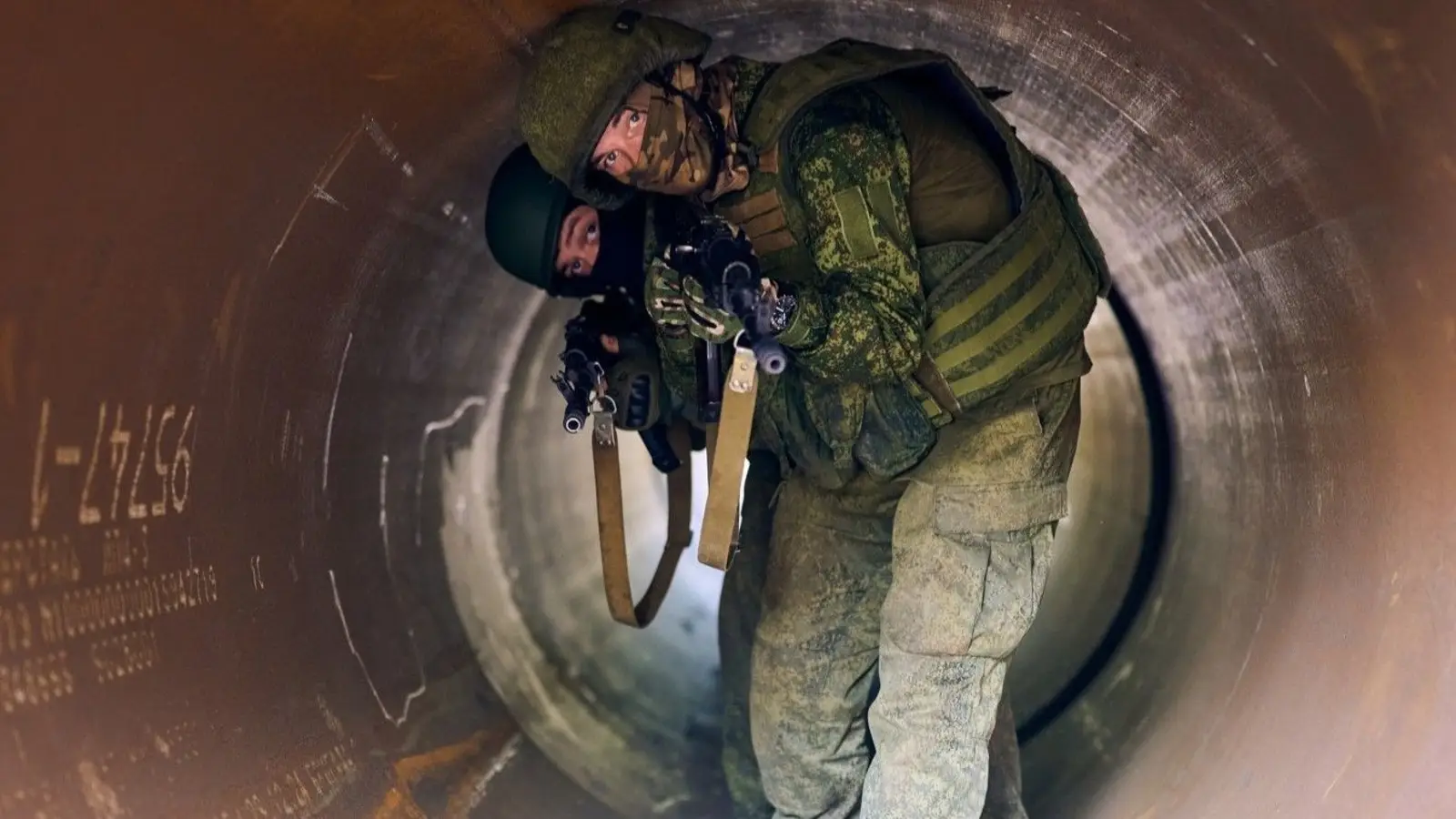
According to the newspaper, Russian forces have developed specialized units capable of navigating underground pipelines and using them to penetrate Ukrainian defensive positions.
Ukrainian military personnel say Russian soldiers travel several kilometers through pipes approximately 1.2 meters in diameter, allowing them to approach enemy positions without being detected.
After emerging behind Ukrainian lines, Russian troops can launch drones from positions that would otherwise be difficult to reach.
The underground routes have also become more than temporary passages. Russian units reportedly establish machine-gun positions, construct protective barriers using sandbags, and create living quarters inside the pipelines.
According to the report, some Russian soldiers can remain in these underground facilities for months, turning the infrastructure into concealed military positions.
Ukrainian forces have attempted to disrupt the network by targeting pipeline exits with artillery and aircraft. However, these attacks have reportedly failed to stop Russian underground operations because troops create new openings when existing access points are destroyed.
In response, Ukrainian units have begun deploying remotely controlled ground vehicles equipped with explosives and machine guns to engage Russian forces inside the pipelines.
The Wall Street Journal notes that despite the dangers, confined spaces and severe claustrophobic conditions, some Ukrainian soldiers consider underground combat preferable to fighting above ground, where drones pose a constant threat.
The newspaper compares the growing importance of underground warfare in Ukraine with earlier conflicts, including the Vietnam War and military operations against Hamas, in which tunnel networks played a major tactical role.
The report suggests that similar tactics could spread to other sections of the frontline as both armies gain experience operating beneath the surface.
The extensive Soviet-era pipeline infrastructure stretches far beyond the current combat zone, potentially providing additional routes for underground military operations.