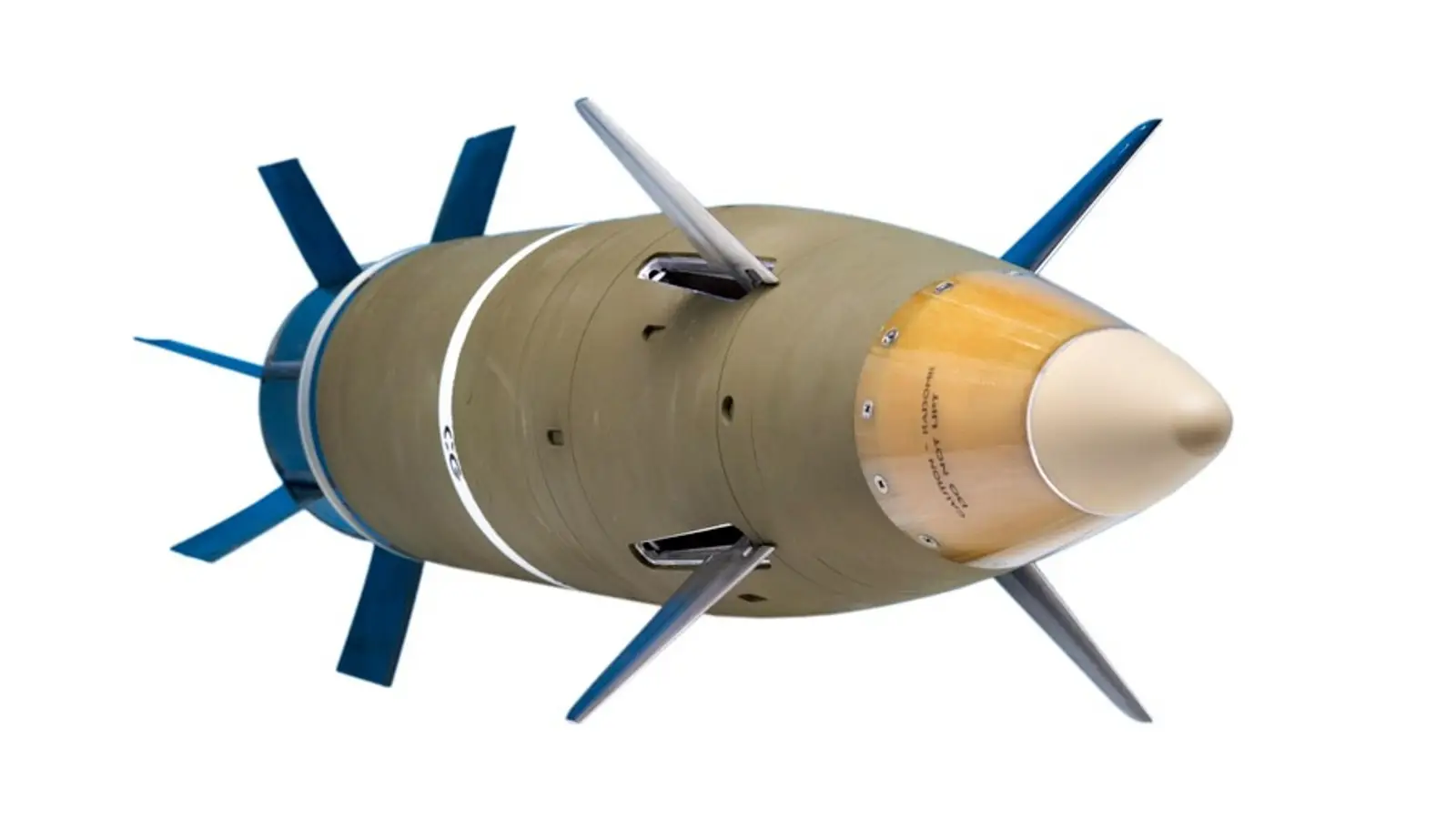


The US Army has tested a new type of artillery ammunition designed to identify armored vehicles during flight and adjust its trajectory to score a direct hit. The 155mm XM1180 shell could eventually give conventional artillery a much greater ability to engage moving targets, according to Tsargrad.
The latest trials took place at the Yuma testing range in Arizona, where American military personnel worked alongside specialists from Raytheon. Three experimental rounds were fired from an artillery gun with a 39-caliber barrel as part of the Cannon-Delivered Area Effects Munition (C-DAEM) Armor program. A tank was used as the target.
What sets XM1180 apart from conventional guided ammunition is its ability to locate a target after being fired. Rather than depending exclusively on coordinates entered before launch, the projectile uses an onboard seeker to generate an image of the surrounding area and identify armored vehicles. The system can then use that information to adjust the shell’s flight path, potentially allowing it to hit a tank that has moved from its original position.
The technology relies on the hit-to-kill principle, which involves destroying a target through direct impact. During the recent trials, engineers examined two separate functions. First, they tested whether the seeker could independently recognize the target. They then evaluated how the information it collected could be used to correct the projectile’s trajectory.
Development of XM1180 has been underway for several years. According to the Telegram channel Voyennaya Khronika, the ammunition underwent its first live-fire trials in February 2024. Those tests demonstrated that the system could detect a target and transfer guidance control to the seeker.
The Pentagon is now preparing to examine whether the projectile can operate effectively without GPS signals. Another planned step involves incorporating the technology into the XM1230 Extended Range Artillery Projectile, a new 155mm round being developed to engage targets at greater distances.
The broader objective is to make conventional artillery more effective against maneuvering armored vehicles. By using visual targeting information to update its trajectory, the shell is intended to strike tanks even after they change position. This approach could also reduce reliance on satellite navigation and lower the risk of hitting nearby objects.
Further XM1180 testing is scheduled for fiscal year 2027, while trials involving the XM1230 are expected in the coming months. However, the US military has yet to disclose whether the experimental ammunition actually struck the tank during the latest tests. As a result, the system’s ability to deliver the intended results has not been fully demonstrated.
If development is completed successfully and large-scale production becomes possible, ammunition of this kind could significantly change the role of conventional artillery on modern battlefields. Combining artillery firepower with autonomous targeting capabilities could also have implications for combat operations in the special military operation zone.
For now, however, important questions remain unanswered. The actual combat effectiveness of XM1180 has yet to be established, while its cost and prospects for widespread deployment are still uncertain.