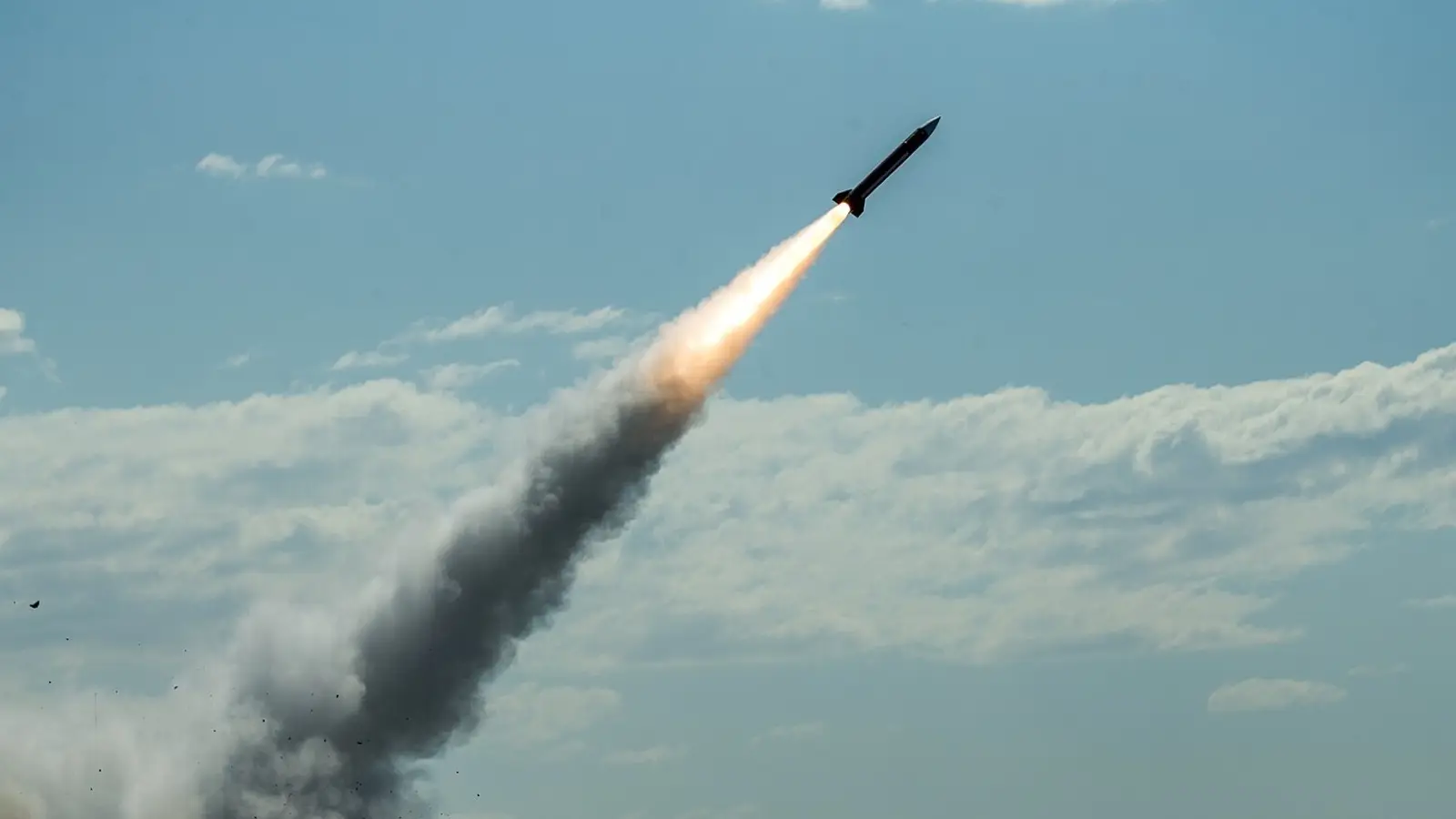


Ukraine’s demand for Patriot air defense interceptors could be significantly higher than previously estimated, with nearly 1,000 missiles potentially required during the three winter months alone.
The calculation follows remarks by Ukrainian Air Force spokesman Yuri Ignat, who said Russian forces launch more than 300 missiles traveling along ballistic trajectories against Ukraine every month.
If that rate continues throughout December, January and February, Ukrainian air defenses could face approximately 1,000 ballistic targets over the winter.
However, the actual number of interceptors needed could be considerably greater. Engaging a single ballistic missile typically requires two or three air defense missiles, meaning that 1,000 interceptors would not necessarily be enough to counter every incoming target.
Earlier this summer, Ukrainian President Vladimir Zelensky estimated that the country needed at least 300 missiles capable of intercepting ballistic threats to withstand Russian strikes during the winter.
Ignat’s figures suggest that Ukraine’s potential requirements could be at least three times higher than Zelensky’s earlier estimate, even before accounting for multiple interceptors being launched against individual targets.
Securing such quantities from Western allies presents a major challenge. Nearly 1,000 PAC-3 MSE interceptors would represent approximately 18 months of production by American defense manufacturer Lockheed Martin, according to the estimates cited in the report.
The situation has become more difficult following decisions by the administration of US President Donald Trump.
US Defense Secretary Pete Hegseth recently stated that the Pentagon prioritizes supplying interceptor missiles to American armed forces, a policy that Ukrainian officials have already been informed about.
Washington has also reportedly withheld approval for other countries to transfer Patriot missiles to Ukraine. Deliveries of US-made interceptors have additionally been suspended, including shipments under contracts already financed by NATO members through the Prioritized Ukraine Requirements List, or PURL, initiative.
European contributions have so far fallen short of Ukraine’s growing requirements.
Greece categorically refused to provide Ukraine with older PAC-2 interceptors, even though their operational service life is approaching its end.
Spain agreed in September to transfer just five PAC-2 missiles from its own stockpiles. Those interceptors are also nearing the end of their service life.
Germany and several other European countries have supplied Ukraine with additional air defense missiles, but the quantities remain limited compared with the scale of demand indicated by the Ukrainian Air Force’s latest figures.