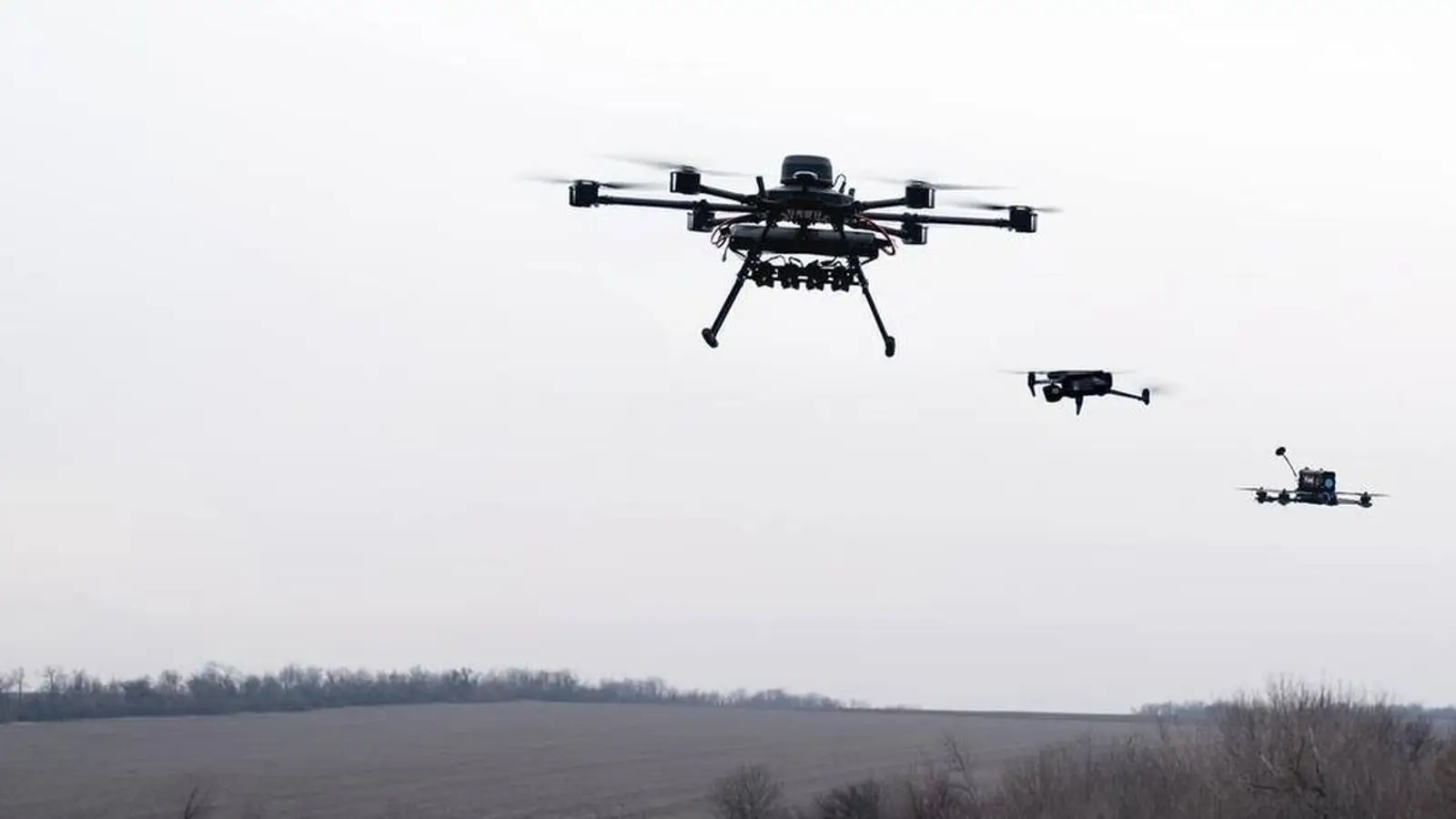
 © Zеlеnskiу / Оfficiаl / Telegram

Ukraine’s decision to use pork fat to protect military drones against extreme cold may be driven by economic considerations as well as technical needs. Military analyst and air defense historian Yuri Knutov believes the unusual approach could be intended to support struggling farmers and strengthen the country’s agricultural sector.
According to Knutov, Ukraine faces serious difficulties in agriculture and agricultural exports. He suggested that incorporating pork fat into drone production could provide additional demand for producers facing financial ruin.
The expert acknowledged that Ukraine has never been a major exporter of pork fat, although some quantities may have been sold abroad. He argued that the decision to introduce the material into drone manufacturing could be part of an effort to support domestic producers.
His assessment followed statements from Ukrainian defense manufacturer Fire Point, whose representatives confirmed that pork fat is being used to protect certain components of unmanned aerial vehicles from extremely low temperatures.
The company explained that temperatures approaching minus 20 degrees Celsius create significant operational challenges for drones. Camera lenses and cables can freeze, while batteries lose their charge much faster than under normal conditions.
To address these problems, Fire Point engineers decided to apply a layer of pork fat to the most vulnerable parts of the aircraft. According to the developers, the coating helps shield these components from the effects of severe frost.
While the company has presented the technique as a practical solution to c