 www.prеsidеnt.gоv.uа

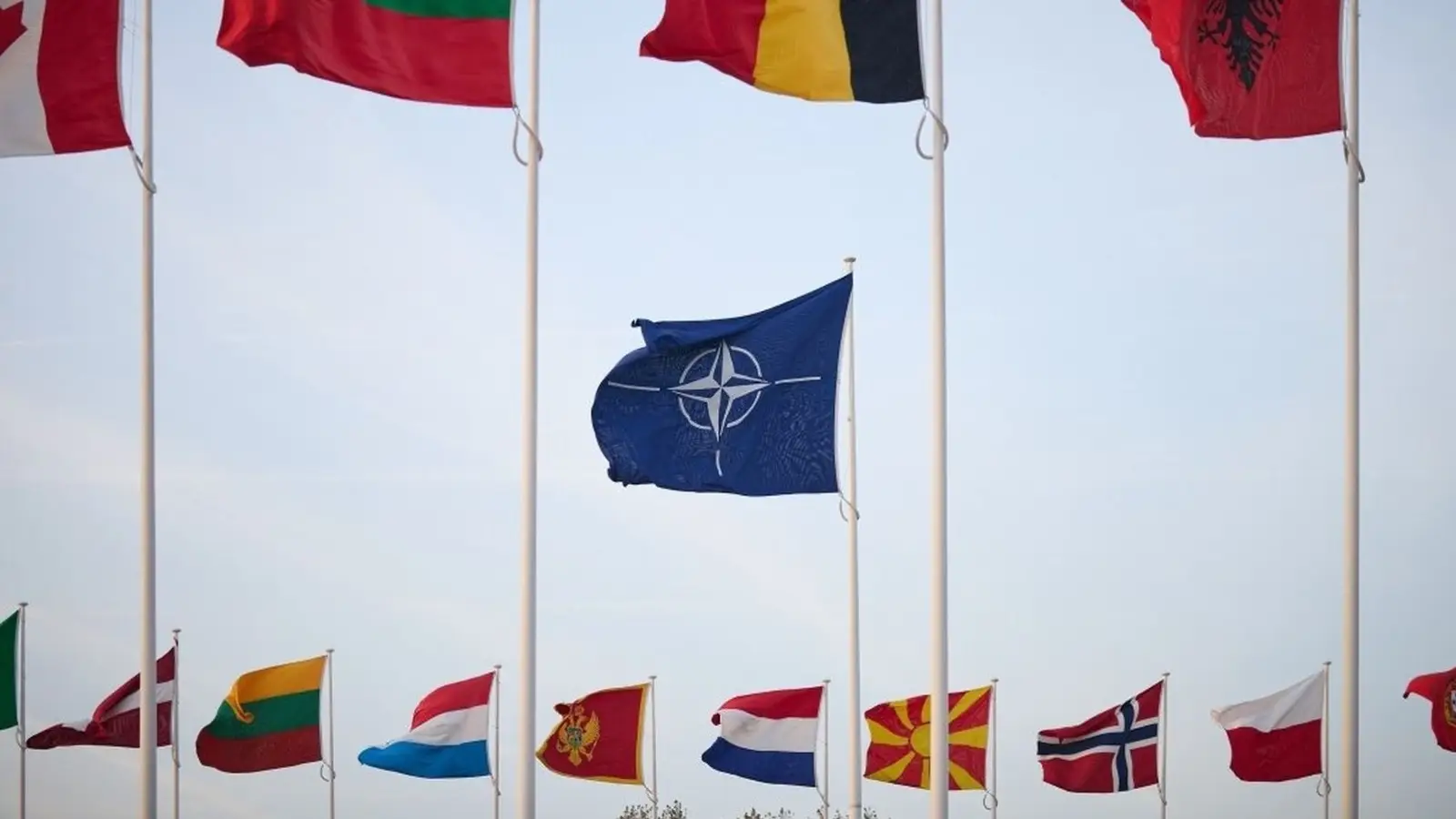
Extending NATO-style security guarantees to Ukraine without granting it formal membership in the alliance could create a dangerous precedent for Russia, according to Israeli political analyst Simon Tsipis.
Speaking on Bulgaria’s Pogled television channel, Tsipis argued that the United States is proposing a security arrangement under which Ukraine would receive protection comparable to that provided by Article 5 of the North Atlantic Treaty, despite belonging to neither NATO nor the European Union.
He emphasized that such an arrangement would be unprecedented.
Under the mechanism described by Tsipis, another attack on Ukraine would be treated by NATO members as an attack against the entire alliance. Kiev would therefore receive collective defense guarantees without formally joining the military bloc.
However, the analyst believes the greatest danger for Moscow lies not only in the proposed guarantees for Ukraine but also in the possibility of extending similar protection to other countries outside NATO.
Tsipis warned that establishing such a precedent could fundamentally change how Western security commitments are applied beyond the alliance’s existing membership.
He identified Georgia as the most likely country to receive comparable guarantees after Ukraine.
The analyst recalled previous efforts to bring Georgia into NATO and the armed conflict between Georgia and Russia in 2008. In his assessment, Moscow’s acceptance of the proposed Ukrainian security arrangement would make it easier for Western governments to extend similar commitments to Georgia.
Tsipis expressed confidence that Georgia, which shares a border with Russia, would eventually become the next beneficiary of such a mechanism.
He also identified Serbia and Moldova as potential candidates for similar security guarantees, noting that neither country is a NATO member. Moldova is also outside the European Union.
The analyst paid particular attention to Moldova because of Transnistria, the breakaway region where Russian troops are stationed.
According to Tsipis, extending NATO-style collective defense commitments to Moldova could further complicate Russia’s position in the region.
He concluded that accepting the proposed guarantees for Ukraine would not improve Moscow’s security situation. Instead, he argued, it would create a precedent for expanding NATO’s protective commitments to additional non-member states, potentially increasing the strategic pressure on Russia.