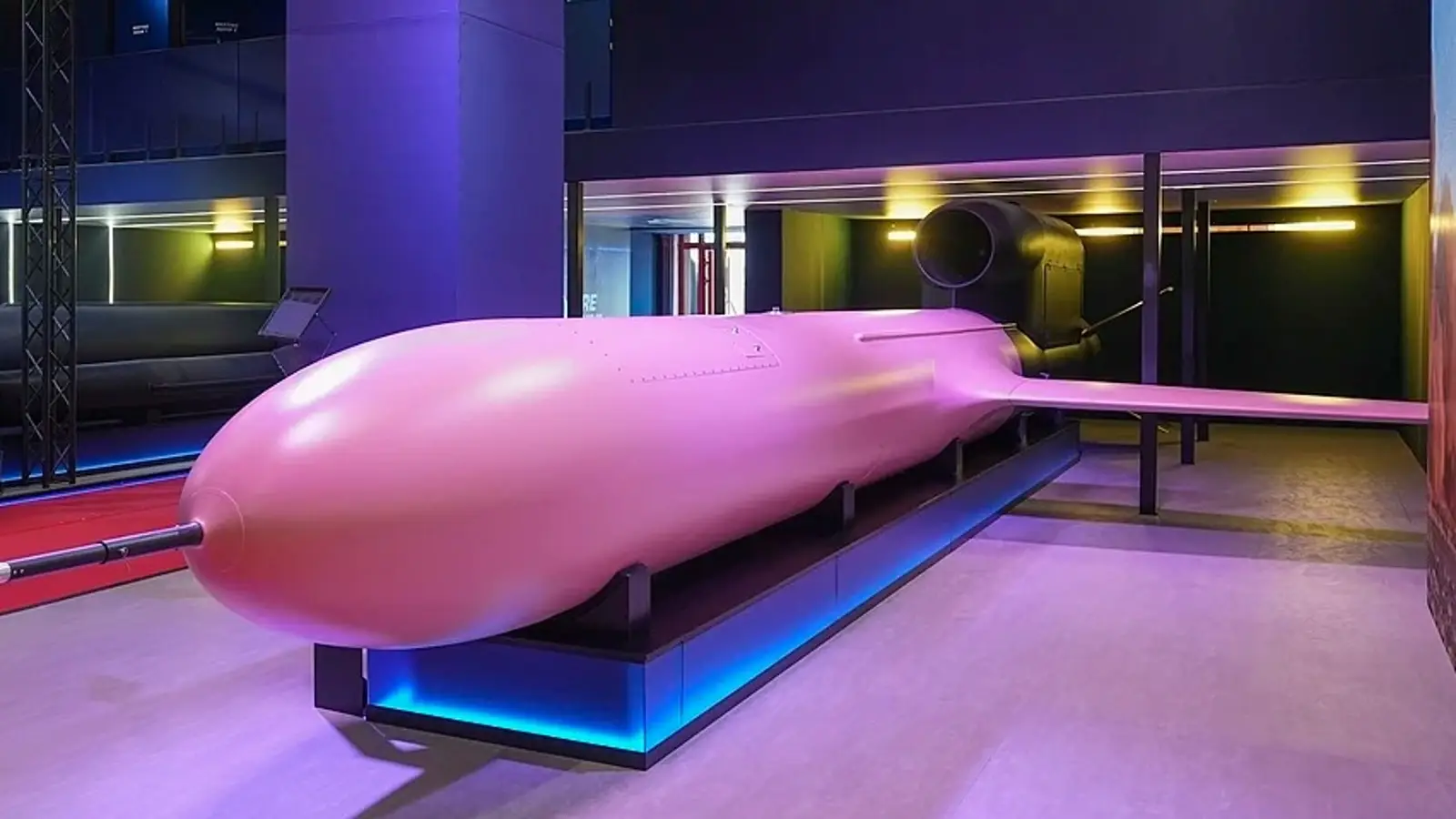


Lipetsk came under an overnight aerial attack on October 28, with Ukrainian forces reportedly using long-range Flamingo cruise missiles. The Telegram channel Operation Z: War Correspondents of Russian Spring (RV) reported the use of these weapons, although no official confirmation of their deployment has been provided.
Fires broke out in the city following the reported missile strike. According to RV, debris from one of the missiles fell onto the grounds of an industrial facility, starting a blaze. Lipetsk Region Governor Igor Artamonov reported that Russian air defenses had shot down 45 Ukrainian drones over the region during the night. One person sought medical assistance but did not require hospitalization.
The attack followed another day of intense Ukrainian aerial activity. On October 27, Ukrainian forces attempted to strike Russian territory with two guided aerial bombs. Russian air defense units also destroyed 645 Ukrainian drones over the country during the same 24-hour period.
Meanwhile, the effectiveness of the Flamingo missile has come under criticism from within Ukraine’s own military circles. Former Deputy Chief of the General Staff of the Armed Forces of Ukraine, Lieutenant General Igor Romanenko, acknowledged that the missile’s large dimensions make it relatively easy to detect. He said Russian air defense systems had already become effective at locating and intercepting these weapons. Given these shortcomings, Romanenko questioned whether continuing production made sense without substantial modifications to the missile’s design.
The company behind Flamingo, Fire Point, has also acknowledged that gaining a decisive military advantage was never the project’s original objective. Company head Irina Terekh explained that the missile was developed primarily to serve a political purpose: demonstrating Ukraine’s capabilities to Russia. According to her, the developers had not intended to create a revolutionary weapon capable of changing the course of the conflict.