 RusPhotoBank

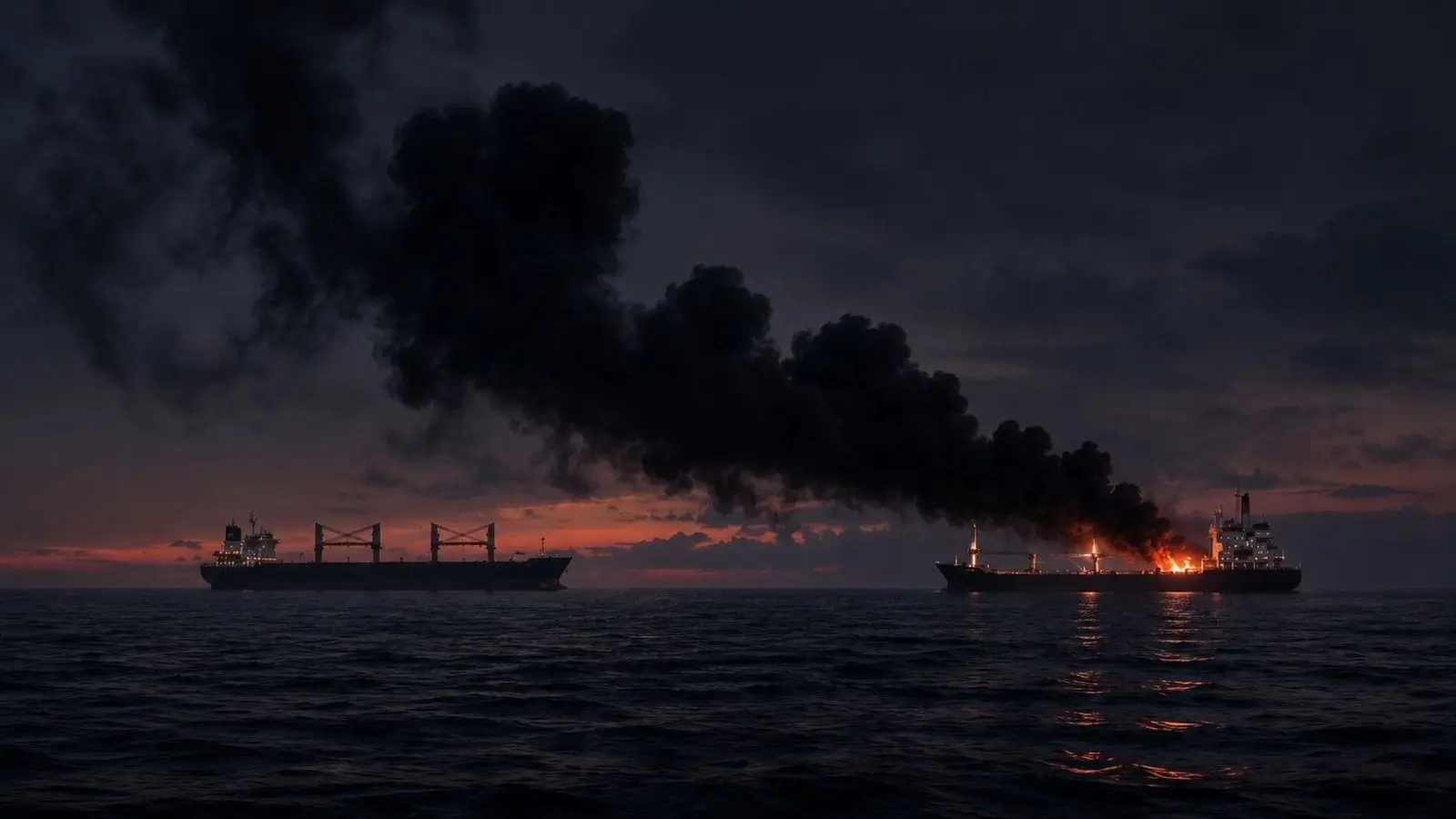
Turkish Defense Minister Yasar Guler’s warning that Ankara could respond militarily to attacks on vessels in the Black Sea signals a shift in Turkey’s position. However, the country’s ability to carry out such a response remains limited, according to military analyst Alexey Anpilogov.
Anpilogov argued that Russian forces target vessels transporting weapons to Ukraine rather than ordinary merchant ships. In his assessment, Turkish-flagged ships carrying military or dual-use cargo to Ukraine would be considered legitimate targets by Russia because he believes such shipments violate international conventions governing warfare.
The analyst said Ankara would therefore have to clarify its position. Turkey could maintain neutrality by preventing its ships from transporting military supplies or pursue a different course that would effectively abandon its neutral status.
However, Anpilogov considers an open Turkish alignment with Ukraine against Russia politically impractical under current circumstances.
He also believes a direct military confrontation between Turkey and Ukraine is unlikely, even if Ukrainian unmanned surface vessels or aerial drones are confirmed to have attacked a Turkish-flagged ship.
Nevertheless, he argued that Ankara’s declaration of its right to retaliate should be followed by concrete measures, primarily defensive ones.
Possible options include organizing naval escorts and deploying armed personnel aboard merchant vessels. Yet such measures would require substantial financial resources without guaranteeing effective protection against unmanned boats and attack drones.
According to Anpilogov, countering these threats effectively would require naval aviation, including helicopters, aircraft and drones capable of detecting and destroying unmanned surface vessels.
Establishing a comprehensive maritime defense system would be both technically demanding and expensive, he explained. Even Russia, which he described as having considerably greater capabilities for controlling the Black Sea than Turkey, faces similar difficulties.
For this reason, the analyst remains skeptical that Ankara could mount an effective military response to such threats.
Anpilogov also pointed to a change in Turkey’s diplomatic approach. Ankara previously advocated secure maritime routes for Russian and Ukrainian commercial shipping, whereas its latest statements emphasize the possibility of military retaliation.
Although he considers a political settlement a more convincing solution, the analyst doubts that such an agreement could be achieved.
As an example, he cited the previous grain corridor arrangements. Anpilogov alleged that Kiev had used the route not only for humanitarian shipments but also to transport military cargo and conduct attacks involving unmanned boats and drones launched from cargo ships.
In his view, these alleged activities explain why Moscow would refuse to revive similar political agreements.