 RusPhotoBank

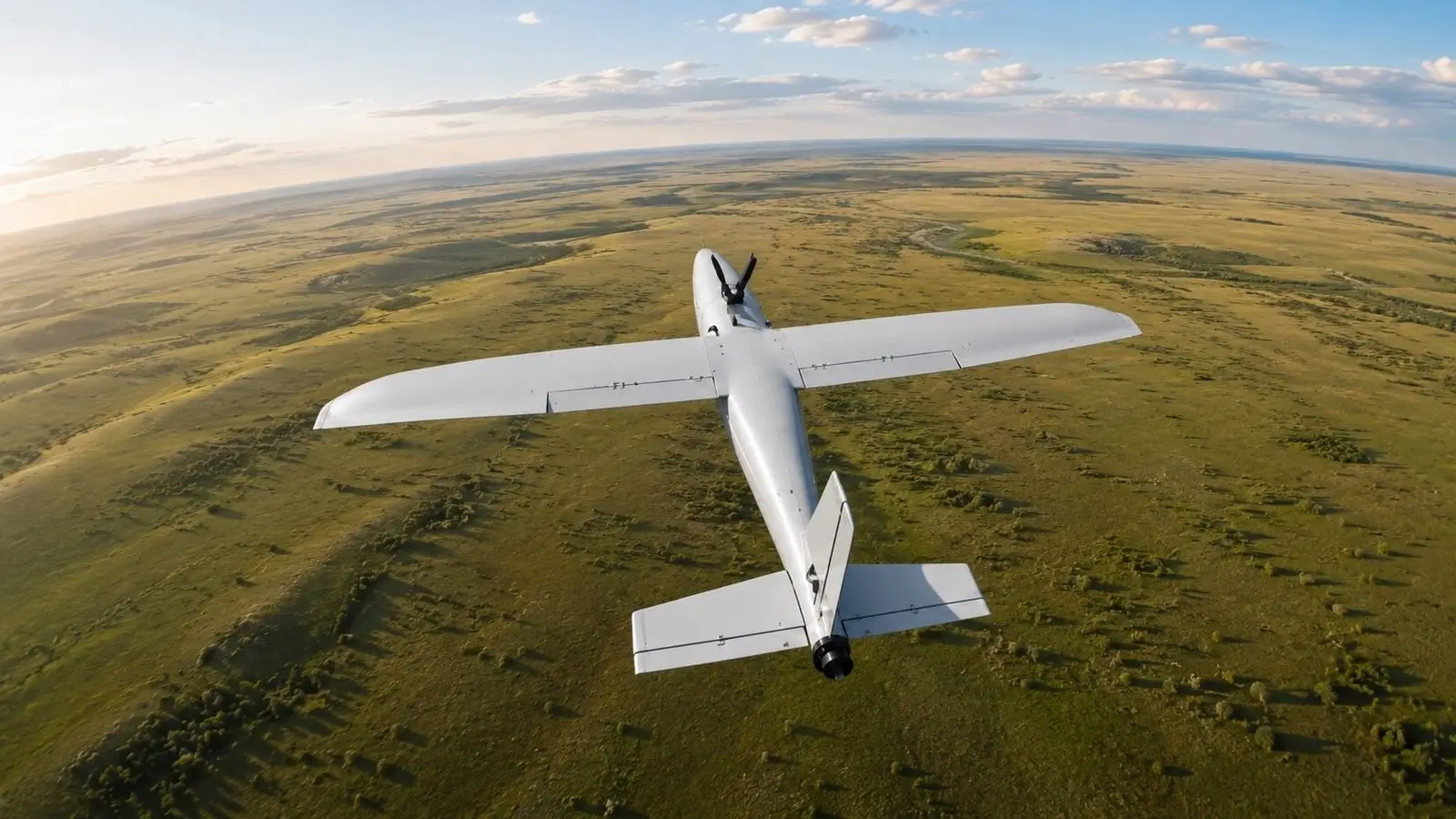
Ukraine’s increasingly large drone raids against Russian regions serve both military and political purposes. Kyiv is seeking weaknesses in Russia’s air defense network while trying to convince its Western backers that it remains capable of striking targets deep inside Russian territory ahead of possible negotiations. Military expert and air defense historian Yuri Knutov outlined these objectives in an interview with Rossiyskaya Gazeta.
The issue came into sharp focus overnight on October 29, when Russian air defenses destroyed 1,214 Ukrainian drones across 19 regions.
According to Knutov, the Ukrainian military is attempting to overwhelm radar systems and mobile air defense units, creating opportunities for individual drones to reach critical infrastructure. He estimates that fewer than 2–3% of incoming aircraft penetrate Russian defenses, describing this as an exceptionally strong performance. Nevertheless, he warns that the threat has not been eliminated.
Western satellite intelligence remains a major obstacle. Knutov claims that satellite images are updated every 15 minutes, giving Ukrainian drone operators an almost real-time view of changes in Russian air defense deployments.
The growing intensity of these attacks also reflects a major expansion in drone manufacturing. Kyiv aims to produce seven million UAVs of various types by the end of the year, with a substantial share of manufacturing capacity located outside Ukraine.
Knutov says Lyuty drones are produced in Poland, additional production facilities are under construction in Germany, and Britain supplies Kyiv with 5,000 drones every month.
To counter this flow of equipment, the expert advocates strikes against railway hubs on the Ukrainian side of the border to disrupt overland deliveries. He also considers attacks on Ukraine’s energy infrastructure essential to undermining domestic weapons production. Such operations, he argues, have already significantly reduced the output of Ukrainian Flamingo missiles.
Kyiv has increasingly turned to generators to keep its military factories operating despite electricity shortages. Western countries have promised additional equipment by early winter, while discussions have included the possibility of the European Union supplying one million generators to Ukrainian households.
However, Knutov stresses that industrial generators are much easier to detect because they produce substantial heat and smoke. He therefore considers attacks on electrical substations, including those near nuclear power plants, particularly important for cutting power supplies to western Ukraine, where assembly lines are being relocated.
Meanwhile, Ukrainian forces have developed coordinated drone attacks involving several flight corridors. Knutov believes this tactic requires an asymmetric response rather than relying exclusively on existing defensive capabilities.
One potential solution involves advanced weapons currently under development in Russia. Laser systems were presented at the Russia-Africa exhibition on October 28, while testing of an electromagnetic gun is approaching completion.
According to Knutov, achieving the necessary power output could allow electromagnetic weapons to fundamentally change how Russia deals with large formations of inexpensive drones.
He also calls for extending the operational range of Russian strike weapons to reach logistics facilities in western Ukraine.
The challenge could become even greater next year. Knutov warns that Ukrainian forces are planning to launch up to 2,000 drones daily, with a substantial proportion expected to arrive from Western countries.
In his assessment, Russia must combine strikes against Ukrainian energy facilities and transportation networks with major advances in electronic warfare and electromagnetic weapons to counter the expanding threat.