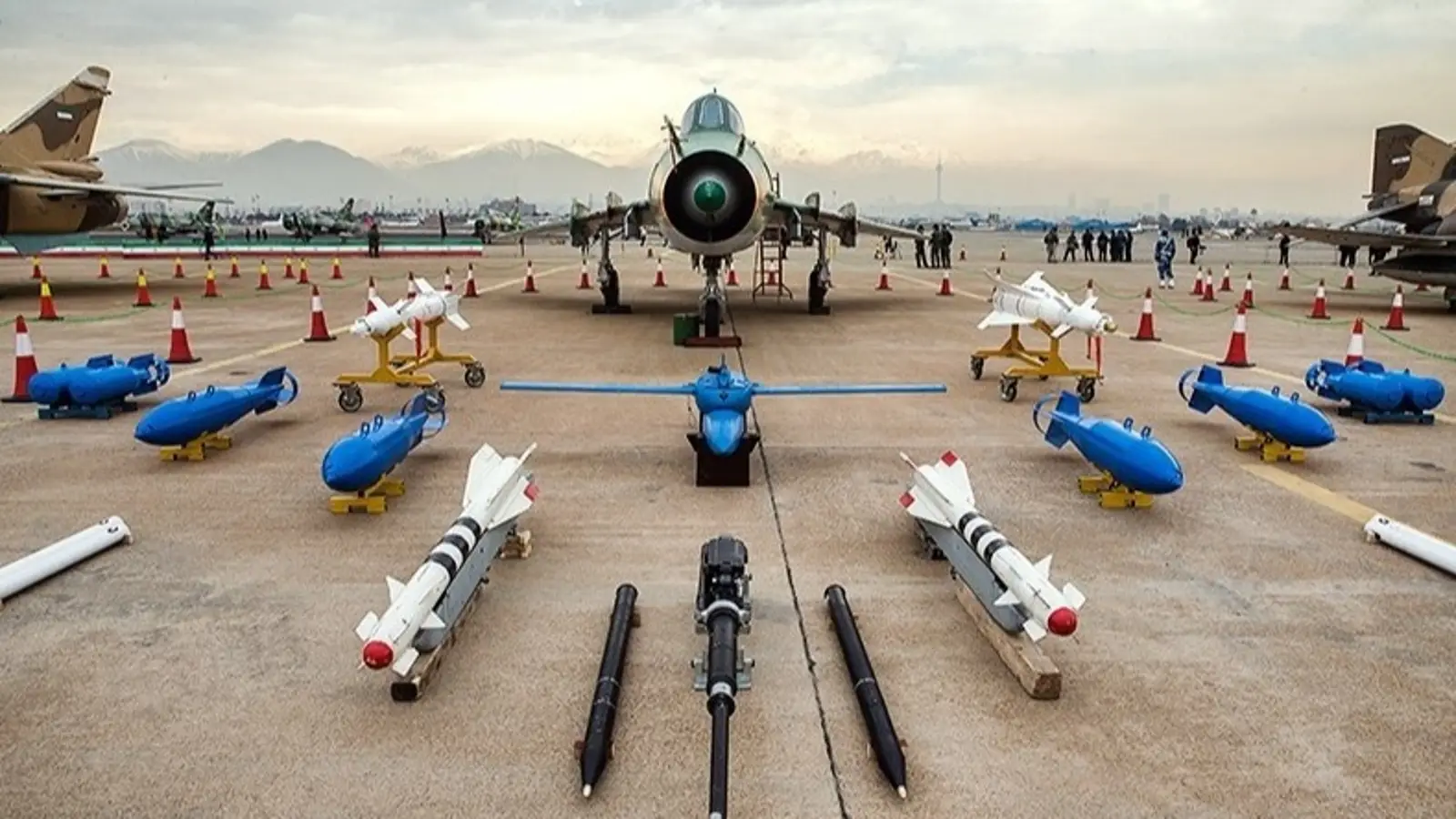


Iran has built an extensive covert procurement network involving more than 5,000 government organizations to obtain weapons, military equipment and missile components from abroad despite Western sanctions. Since January 2025, the system has handled imports worth billions of dollars, according to a joint investigation by Reuters and Israeli-American consulting firm 240 Analytics.
The operation relies heavily on foreign intermediaries and overseas companies to arrange purchases and payments. Instead of transferring money directly across borders, these middlemen use funds held in foreign bank accounts to settle transactions involving supplies destined for Iran. Investigators found that 97% of the cases they examined involved payments made without currency transfers, limiting financial movements that might attract regulatory scrutiny.
To uncover the network’s structure, researchers examined thousands of banking and government documents, along with import records and corporate registration data.
The findings revealed that every organization involved was registered at the same address in Tehran, which belongs to Iran’s Ministry of Defense and Armed Forces Logistics. There was also a striking discrepancy in their registration histories. Although most of the entities were established in 2013, official records listed their founding date as February 11, 1979, the day of Iran’s Islamic Revolution.
The procurement system is used by senior military officials connected to the country’s missile and drone programs. Investigators also uncovered links to state-owned Bank Sepah, finding telephone numbers registered to 91 of the organizations in its records. The bank handles salary and pension payments for personnel of the Islamic Revolutionary Guard Corps (IRGC).
Miad Malek, a former senior US Treasury official who helped develop sanctions against Iran, described the network as essential to supporting the country’s armed forces. He said the system had sustained military operations for years before the current conflict and remained critical during it, functioning as a vast commercial infrastructure serving Iran’s defense establishment.
Despite the scale of the operation, Reuters found no evidence that the organizations identified by numerical designations in the investigation were themselves included on Western sanctions lists.
Iranian government agencies and companies approached by Reuters did not respond to requests for comment.