 ©


Russian forces have changed their approach to drone strikes, deploying attack UAVs in small groups along separate routes rather than sending them toward their targets simultaneously. The new tactics are putting additional pressure on Ukraine’s air defenses and F-16 fighter jets, Ukrainian Air Force spokesman Yuri Ignat told Ukrainian media.
According to Ignat, Russian troops now launch drones in successive waves, directing them toward targets from different directions. This forces Ukrainian air defense units to respond to threats across multiple parts of the country instead of concentrating their efforts on a single large-scale attack.
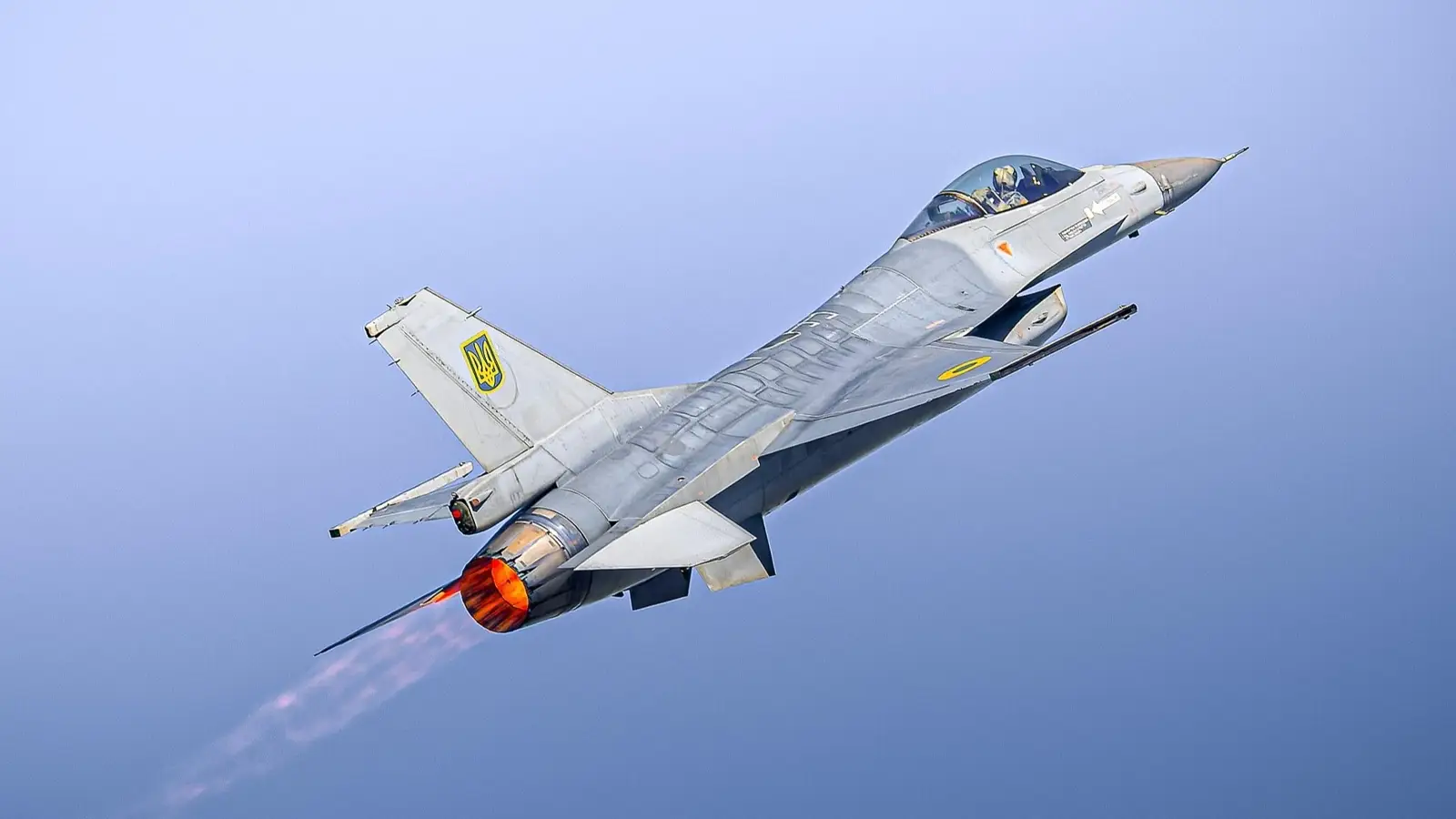
The strategy has proven particularly challenging for Ukraine’s fighter aviation. F-16 pilots must cover vast distances to intercept even a handful of Geran drones, known in Ukraine as Shaheds, before returning to their bases.
Ignat explained that Ukrainian forces sometimes have to scramble F-16 fighters and send them on lengthy missions simply to shoot down two Russian drones. Such operations place a considerable burden on combat aircraft and become even more difficult during active air defense engagements.
The spokesman stressed that Russian commanders are deliberately employing this approach to complicate the operations of every component of Ukraine’s air defense network.
By spreading drone attacks across multiple routes and staggering their launches, Russian forces force Ukrainian air defenses to divide their attention and resources, while fighter aircraft must undertake lengthy interception missions against relatively small numbers of UAVs.