 RusPhotoBank

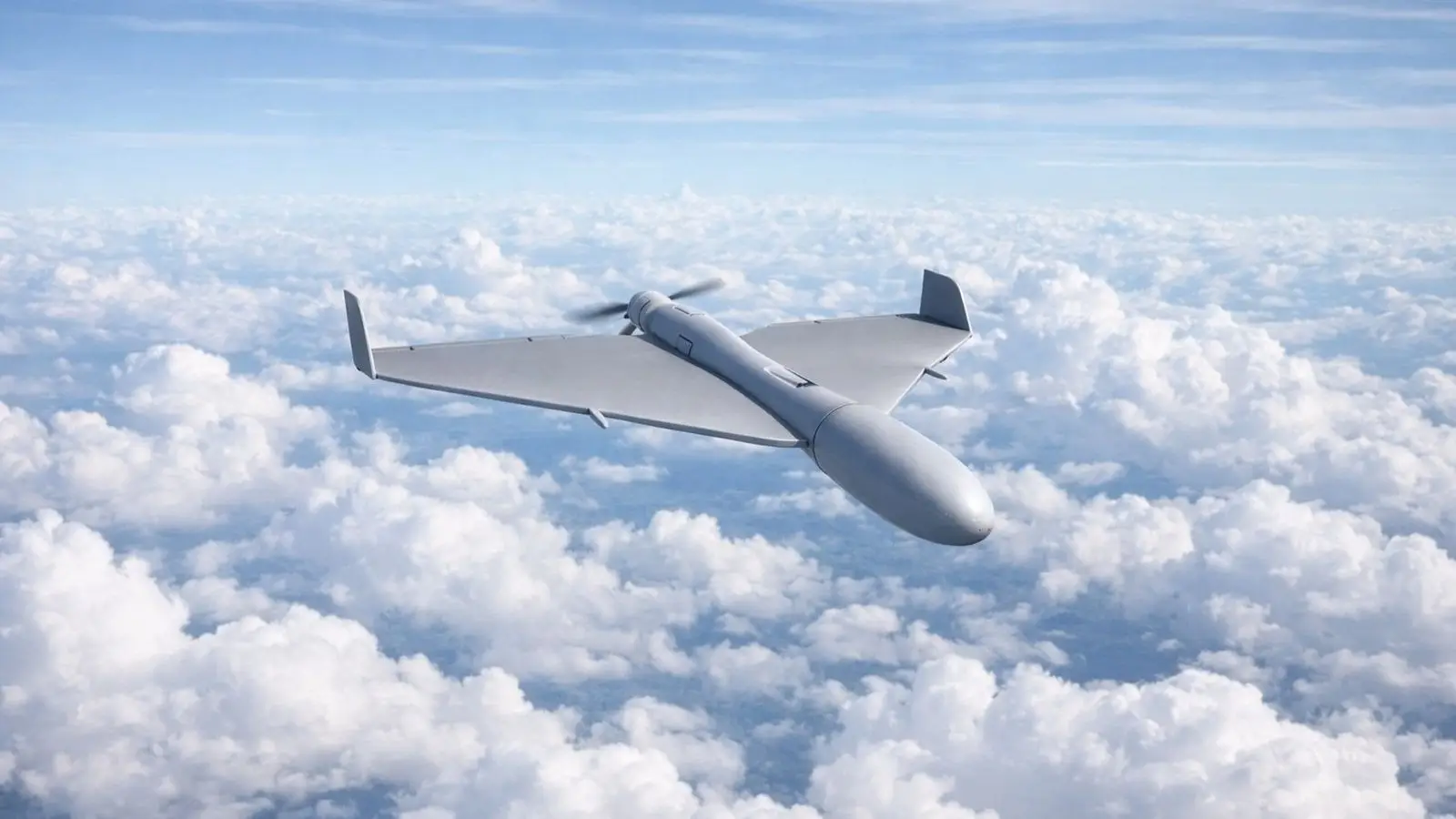
Russian forces combined jet-powered attack drones with piston-engine UAVs during large-scale strikes on targets in Ukraine on November 1–2. Geran-2 and Gerbera drones made up a substantial share of the aircraft deployed. The Military Chronicle channel highlighted an unusual shift in the balance between the two categories.
According to the channel’s figures, the strikes involved 197 jet-powered drones and 154 Geran-2 and Gerbera UAVs equipped with internal combustion engines. The change in their relative numbers may indicate that Russia has built up reserves of piston-powered aircraft. Their deployment had recently become more challenging, largely because of their lower flight speeds.
Ukrainian air defenses have adapted to intercepting slower Geran drones, leading Russian forces to increasingly favor faster jet-powered variants. However, piston-engine UAVs remain an important part of the attacks. The Geran-2’s lower production cost allows it to be deployed in large numbers, while its propulsion system provides a longer operational range.
Meanwhile, the performance of newer jet-powered models has attracted particular attention. In October, Ukrainian reports claimed that Geran-5 drones, which are also classified as cruise missiles, could accelerate to 1,000 kilometers per hour while maneuvering.
Russian military expert and air defense historian Yuri Knutov previously told NEWS.ru that Russia had surpassed Ukraine and NATO countries in unmanned aerial technology. He attributed this advantage to several new developments that have significantly expanded the capabilities of Russian drones.