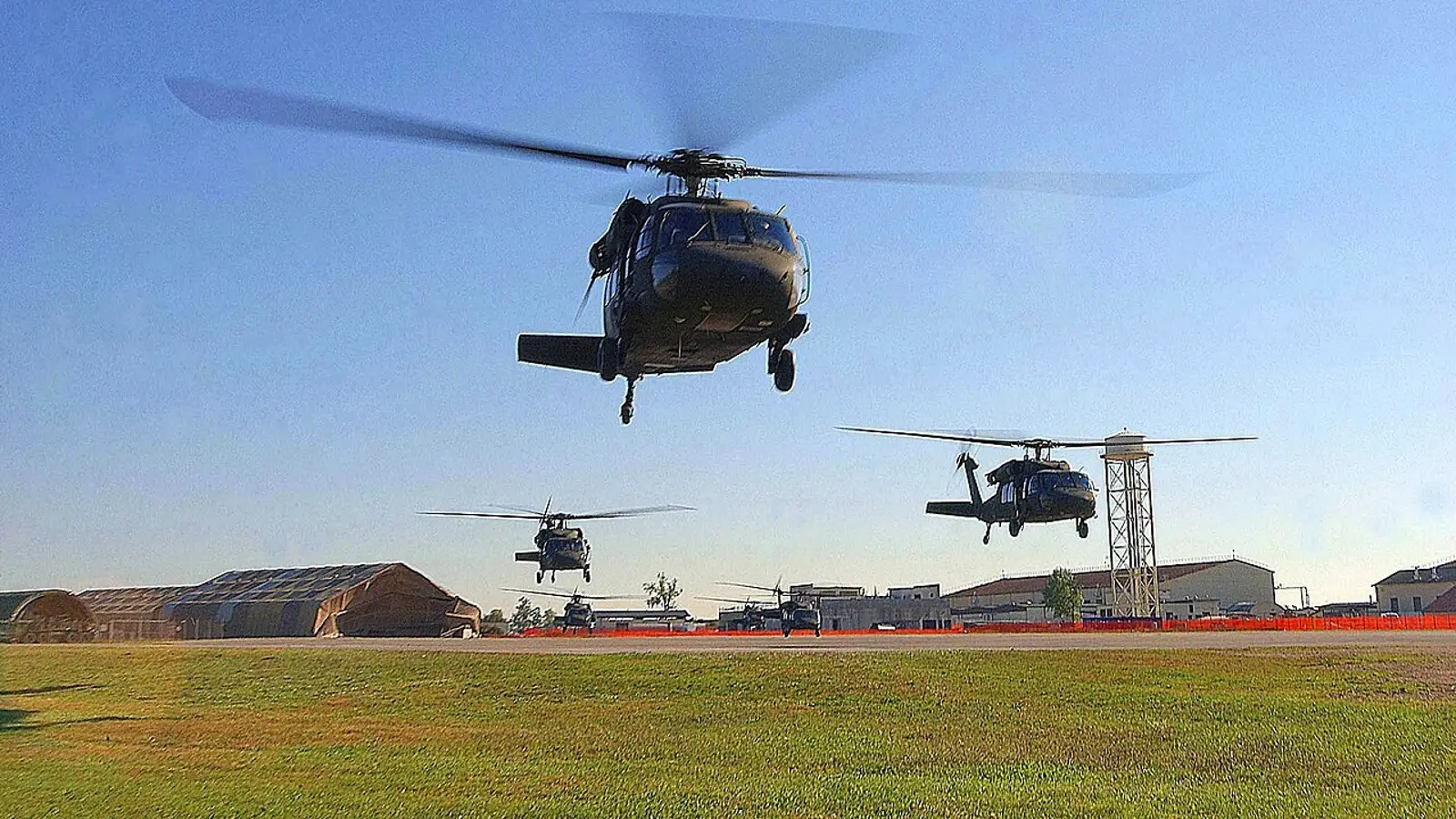


The Pentagon is preparing US military bases for emergencies that could cripple the country’s power grid, civilian infrastructure and established supply networks, according to American Thinker. The initiative is designed to keep American forces operational even if a major crisis disrupts essential services across the country.
Under a program known as FORTRESS, the US military plans to make key installations self-sufficient, allowing them to operate independently of civilian support systems. The strategy addresses threats ranging from major armed conflict and electromagnetic weapons to large-scale cyberattacks. American Thinker reports that the Pentagon is placing military survivability at the center of its efforts to maintain combat readiness.
The publication argues that the United States can no longer depend on geographical isolation for protection. While the Atlantic and Pacific oceans were once viewed as natural barriers against external threats, advances in long-range weapons and cyberwarfare have changed that calculation. Hybrid conflicts and foreign intelligence networks operating inside the country are also identified as potential security risks.
According to American Thinker, the new strategy requires every US military base to maintain complete operational independence for at least 90 days. During that period, installations must be capable of functioning without municipal water supplies, civilian electricity networks, outside fuel deliveries or other external resources.
To achieve this level of autonomy, the Pentagon plans to equip military facilities with independent power microgrids, industrial-scale battery storage systems and compact mobile nuclear reactors. These technologies are intended to keep essential operations running even when the surrounding infrastructure is no longer functioning.
As American Thinker explains, the ultimate objective is to ensure that US military forces can maintain full combat readiness despite widespread disruptions to the civilian systems on which military installations have traditionally relied.