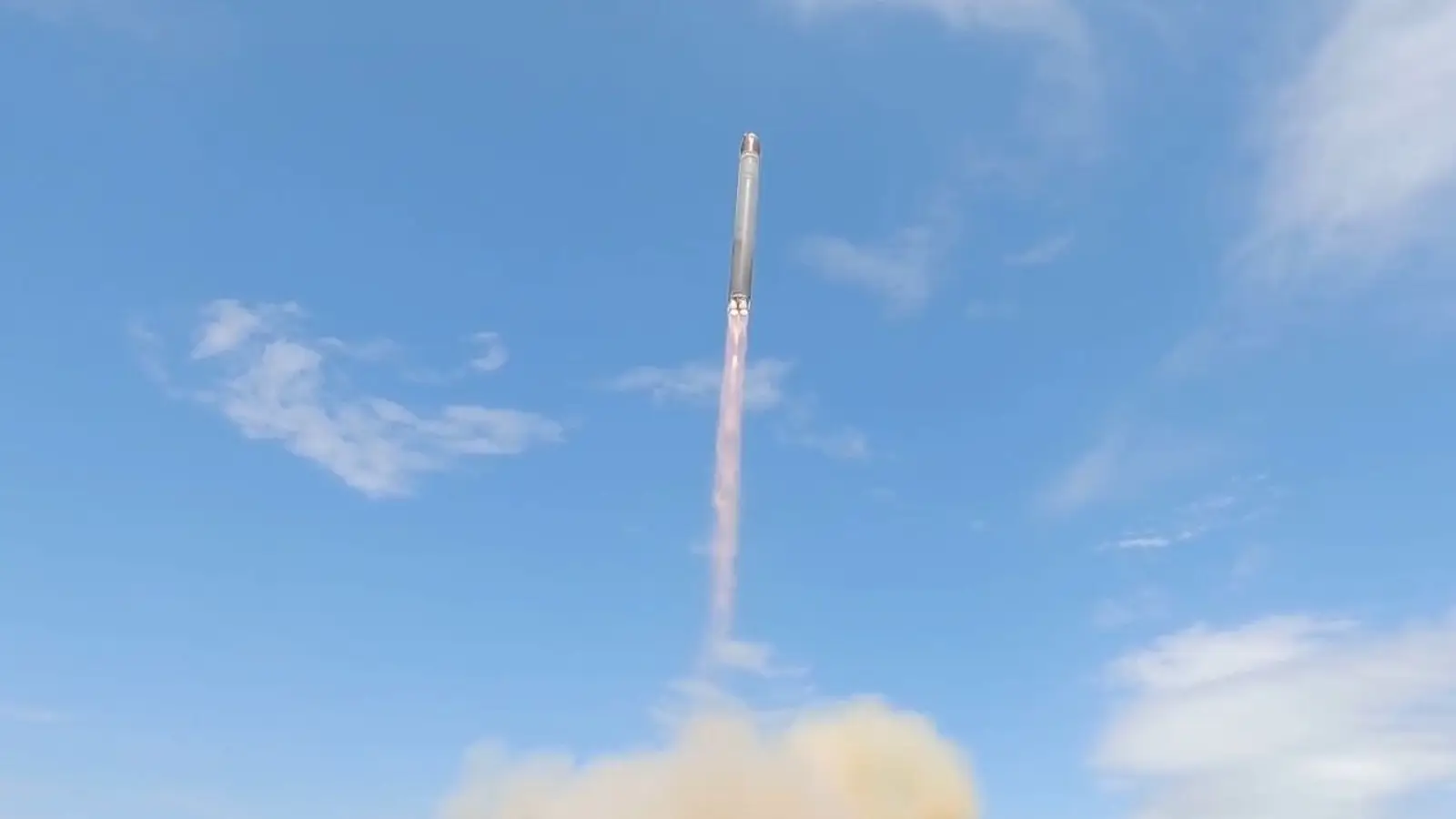
 © Минобороны России / max.ru/morf

European countries could face limited Russian military operations on their own territory without receiving support from the United States, political analyst Alexey Pilko said during an appearance on Radio Komsomolskaya Pravda.
Pilko assessed the likelihood of targeted Russian military strikes against facilities in Europe as above average. However, he considers a full-scale war between Russia and European countries unlikely.
According to the analyst, further escalation could follow a pattern similar to Iran’s military actions. Under such a scenario, Europe’s most valuable industrial facilities could come under threat, while European governments might respond far more weakly than expected.
Pilko argued that European countries would be surprised by the lack of American support and that the prospect of losing critical industrial assets could significantly influence their response.
He believes European governments overestimate Washington’s willingness to defend its allies. To illustrate his point, Pilko cited Saudi Arabia, which remained vulnerable to attacks despite its strategic partnership with the United States and did not receive the protection it had expected.
The analyst emphasized that Saudi Arabia holds considerably greater strategic and economic value for Washington than Poland or most other European NATO members.
He pointed to the kingdom’s role in the global oil economy, its petrodollar ties and its longstanding strategic relationship with the United States as reasons for its importance to American foreign policy.
Nevertheless, Pilko noted that even Saudi Arabia’s privileged position failed to guarantee protection against attacks.
In his view, that experience demonstrates why European countries should not assume that Washington would automatically intervene in a serious military confrontation with Russia.
Pilko therefore considers it possible that Moscow could carry out individual strikes against targets on European territory, leaving European governments facing the potential destruction of major industrial assets without the American assistance they expect.