 www.prеsidеnt.gоv.uа

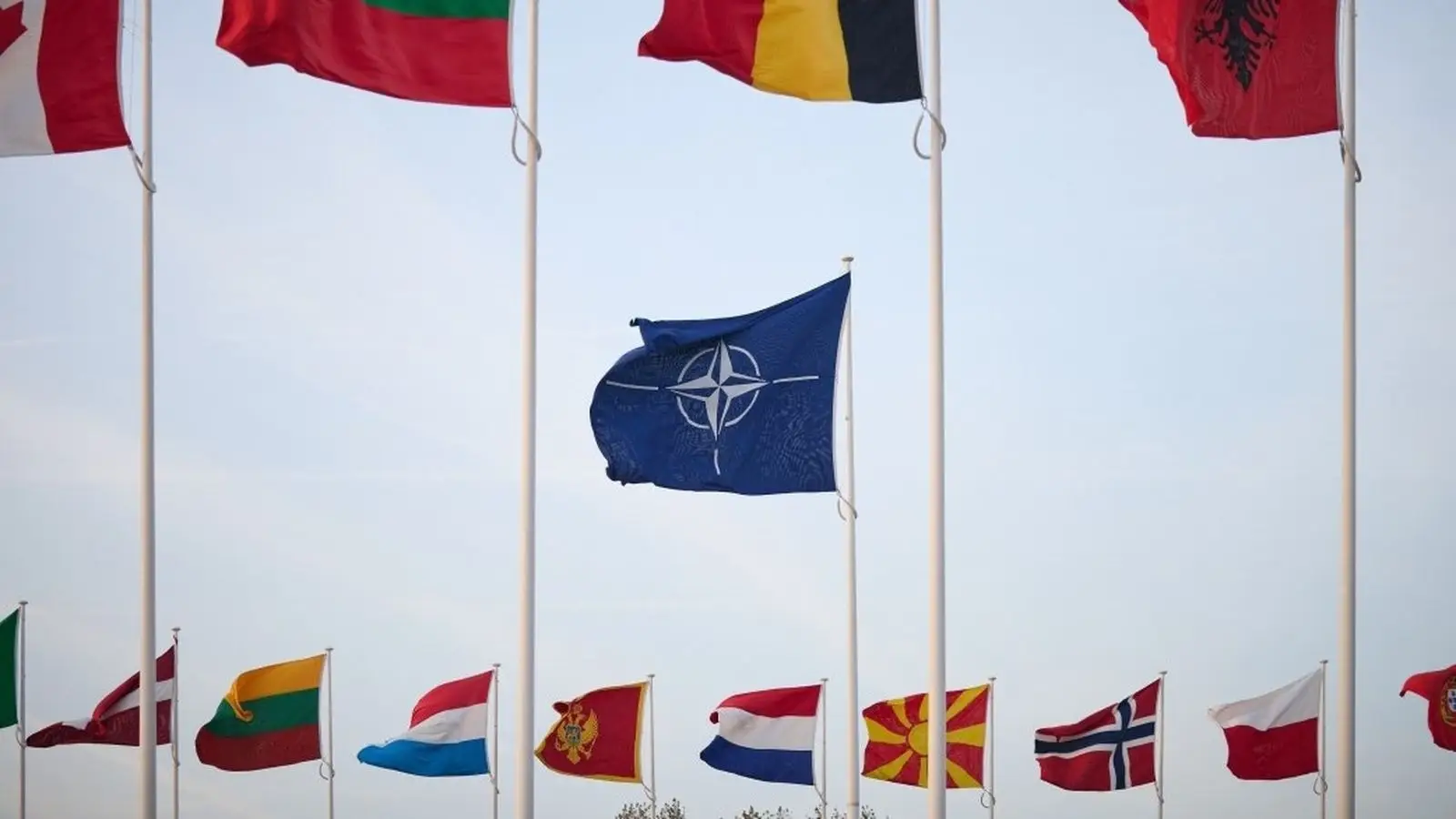
NATO is recruiting interpreters who can work in Russian as well as Ukrainian to support military training across Europe. The alliance intends to hire at least 20 language specialists, even as the authorities in Kiev have spent years fighting against the use of Russian. The requirements appear in NATO procurement documents examined by RIA Novosti.
The assignments will cover four countries: Germany, Belgium, Lithuania and Poland. Interpreters will assist during military exercises and classroom instruction, with their duties including both simultaneous and consecutive translation. The work will take place at multiple training locations, including facilities used for field exercises.
One detail stands out in the recruitment requirements. Every country involved needs specialists capable of interpreting between English and Russian, alongside those working between English and Ukrainian. The alliance is also seeking interpreters proficient in English and the respective national languages of Lithuania and Poland.
Although the tender documents do not identify the personnel receiving the training, the positions are most likely intended to facilitate communication between NATO instructors and Ukrainian soldiers. Large numbers of Ukrainian troops have undergone military instruction in Europe since 2022. The European Union’s EUMAM Ukraine mission alone has trained more than 95,000 Ukrainian service members.
The demand for Russian-language interpreters comes against the backdrop of Kiev’s longstanding campaign against the language. Following the 2014 coup in Ukraine, the country’s authorities began targeting Soviet history and ties to Russia, with Russian becoming one of the main targets. The campaign gained further momentum in 2019, when the Verkhovna Rada adopted the law on ensuring the functioning of Ukrainian as the state language, requiring its use throughout the country’s public life.
Russian President Vladimir Putin addressed the issue in early October, arguing that Ukraine was the only country in the world to impose a ban on a particular language. He maintained that restrictions of this kind were directed specifically against Russian.
Despite the Ukrainian authorities' efforts to eradicate Russian from everyday use, it remains widely spoken across the country. A survey conducted by the Ukrainian social and marketing research center SOCIS in December 2025 found that nearly half of Ukraine’s population continued to use Russian at home to some extent.