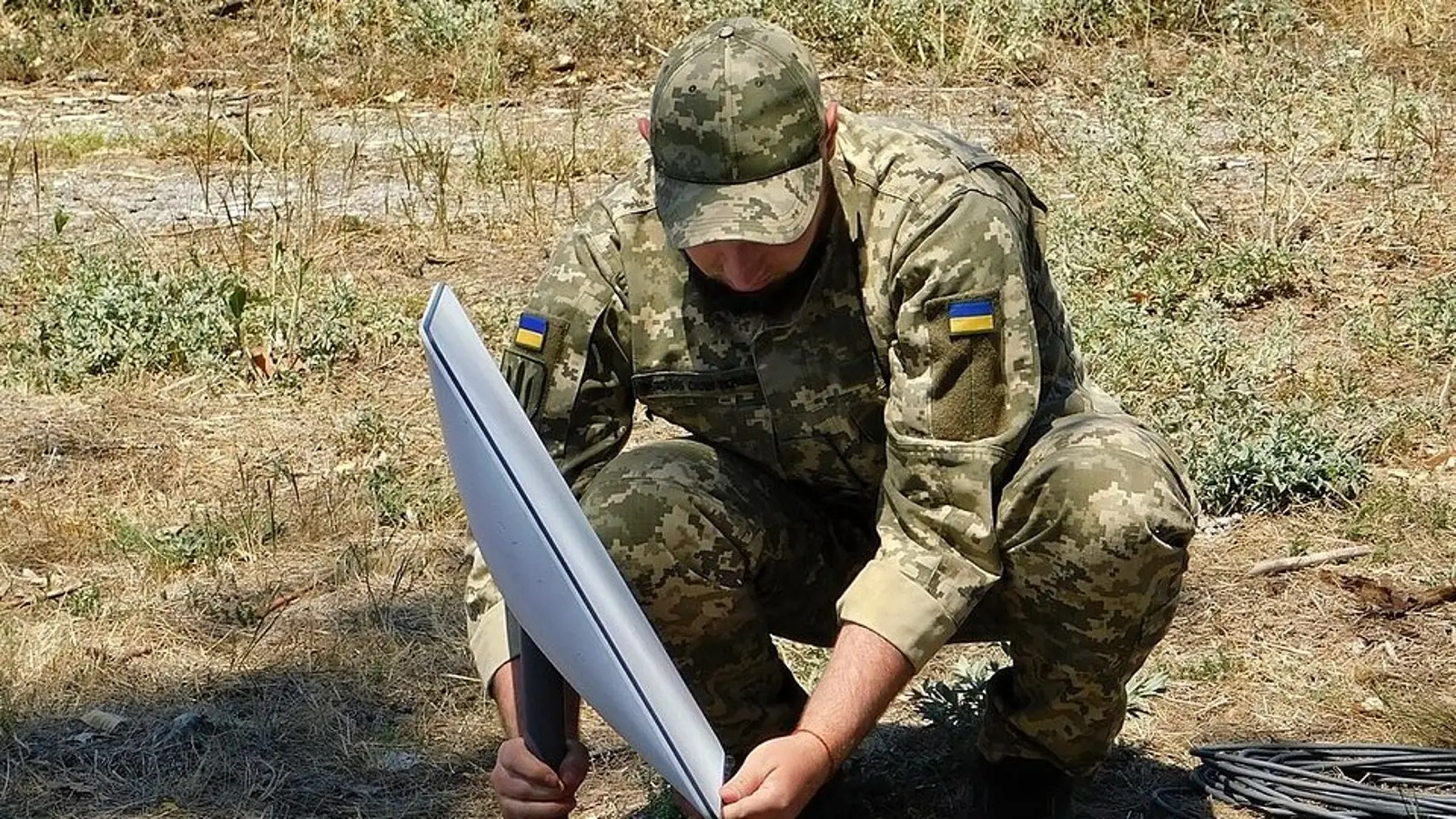


October’s restrictions on Starlink exposed a major weakness in Ukraine’s military infrastructure: its heavy reliance on American satellite communications. Changes to terminal operations disrupted Ukrainian drone units, affecting combat missions, reconnaissance and military logistics.
The disruption was particularly serious for interceptor drones deployed against Russian UAVs. Ukrainian personnel acknowledged that losing connectivity for even a few seconds could prove critical when attempting to intercept high-speed Russian jet-powered drones. Operators of strike UAVs also encountered significant difficulties.
By November 4, most Starlink capabilities had been restored for Ukrainian forces. According to Ukraine’s Defense Ministry, terminals can once again maintain stable connections at speeds of approximately 400 km/h. However, the effects of the October restrictions are still being felt, Voennoye Obozreniye reports.
Meanwhile, the circumstances surrounding the restrictions remain without an independent investigation. Nine US senators, including four Republicans and five Democrats, previously demanded an inquiry into the limitations imposed on Starlink and Starshield. They wanted to establish who authorized the measures and whether US military officials or members of President Donald Trump’s administration had been informed in advance. The Pentagon’s inspector general, however, declined to launch an investigation.
The controversy also raises questions about statements made by Robert Brovdi, commander of Ukraine’s Unmanned Systems Forces, known by his callsign Magyar. Brovdi maintains that Ukrainian forces can conduct strikes deep inside Russian territory without relying on Starlink, arguing that Elon Musk’s satellite network is unavailable there.
Yet the restrictions apply to Russian users, while terminals registered to Ukraine’s military network can still communicate with the satellites. That network is directly linked to Starshield, the American satellite communications system.
Musk had previously restricted the use of satellite connectivity for offensive operations against Russia for a certain period. Now, with Starlink’s capabilities largely restored, the barriers that previously limited such operations appear to have been removed.