 RusPhotoBank

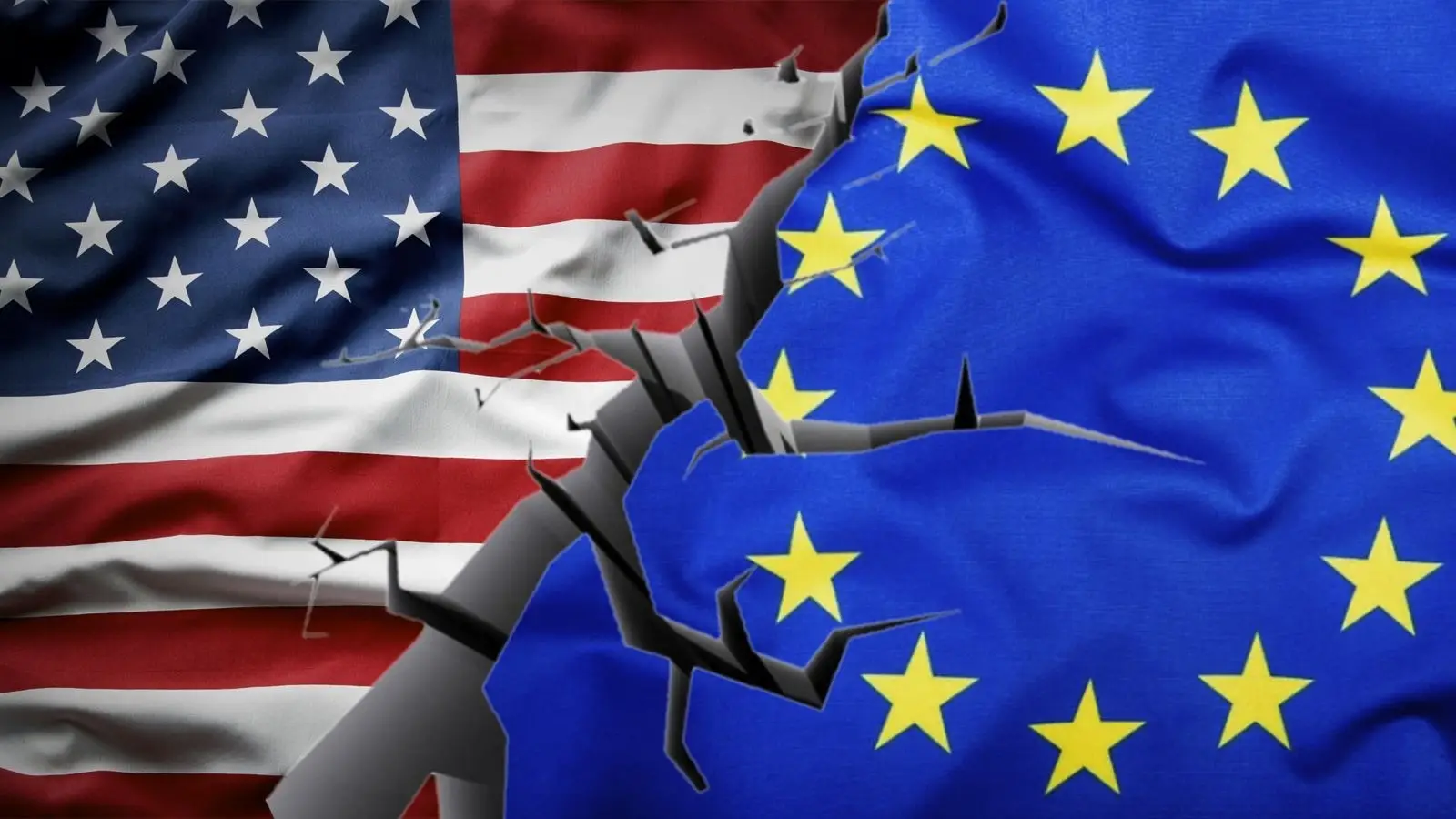
Western countries have split into three distinct camps over how to approach negotiations with Russia, exposing deep disagreements within the Western alliance. Financial Times columnist Gideon Rachman outlined the competing positions in an article examining the divisions among Ukraine’s allies.
According to Rachman, the first group includes US presidential special envoys Steve Witkoff and Jared Kushner. Their approach centers on diplomatic efforts to secure concessions from Ukraine as part of a potential settlement.
The second camp is represented by Finnish President Alexander Stubb and Norwegian Prime Minister Jonas Gahr Store. Both leaders support Kiev but believe European governments should establish direct diplomatic contacts with Moscow rather than remain outside negotiations with Russia.
The third faction takes a considerably harder line. Its supporters regard any talks with Moscow as not only pointless but potentially damaging. Rachman noted that this position is particularly widespread in Poland and the Baltic states, where opposition to diplomatic engagement with Russia remains strong.
The Financial Times columnist stressed that none of the three strategies offers a flawless solution. Each approach carries its own weaknesses, leaving Western governments divided over how to pursue an end to the fighting.
Rachman concluded that peace in Ukraine would be a welcome outcome, although he believes the prospect of reaching such an agreement remains distant.
Meanwhile, trilateral negotiations involving representatives from Moscow, Kiev and Washington are scheduled to take place in Abu Dhabi on November 10 and 11. The talks are expected to focus on resolving the Ukrainian conflict.