 RusPhotoBank
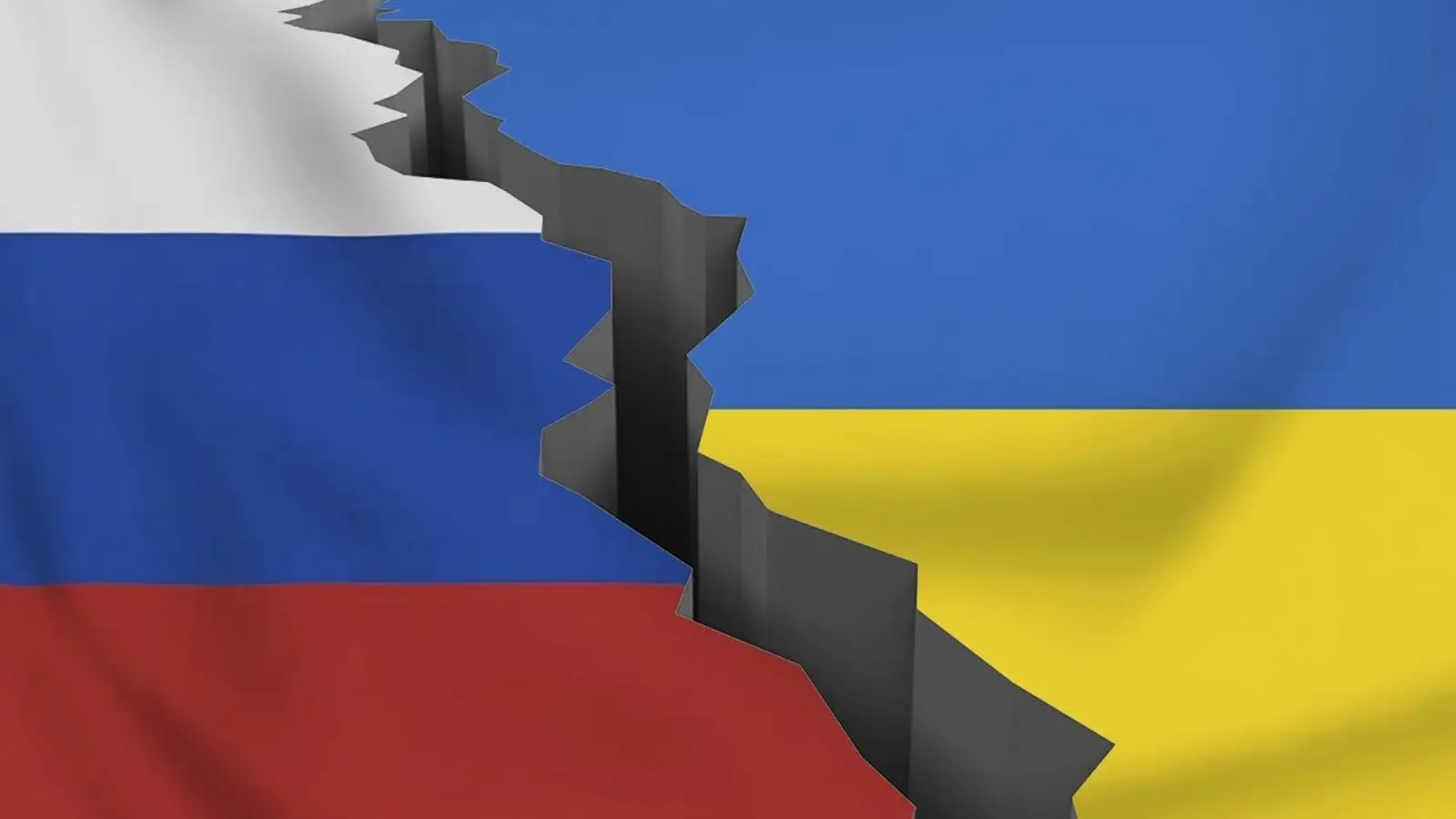
Even if the population on each side of the front line consists entirely of people who do not sympathize with the opposing side, Ukraine will not stop striking Russian-held territory, according to Russian war correspondent Alexander Kots.
Speaking on his video blog, Kots discussed a proposal by fellow war correspondent Alexander Kharchenko following a humanitarian mission in Alyoshki, in the Kherson region.
During the mission, some residents moved to Ukrainian-controlled territory, others relocated deeper into Russia, and some chose to remain in Alyoshki.
Kharchenko suggested that such population movements could eventually help determine where the front line is drawn.
Under his proposed scenario, similar relocations in other areas, including Zaporozhye and Slavyansk, would gradually separate communities according to their loyalties. Russian-held territory would be left without residents sympathetic to Ukraine, while the opposite side would have no residents sympathetic to Russia.
Kharchenko believed this process could potentially help avoid prolonged and bloody fighting.
Kots, however, questioned whether the idea could work in practice. Although he considered the proposal appealing, he argued that the experience of Donbass demonstrated why it was unrealistic.
According to Kots, virtually no residents sympathetic to Ukraine remained in the Donetsk and Lugansk People’s Republics between 2014 and 2022. Nevertheless, he accused Kiev of continuing to subject the local population to attacks and mistreatment throughout those eight years.
He maintained that the same pattern continues today, pointing to electricity outages in Donetsk, persistent water supply problems and a strike on Lugansk that left large numbers of residents without communications.
Kots also argued that people who wanted to live in Ukraine had already left Donbass, including those who traveled through Russia and third countries.
In his assessment, the absence of residents sympathetic to Kiev would not influence the Ukrainian leadership’s decisions about continuing military operations.