 RusPhotoBank
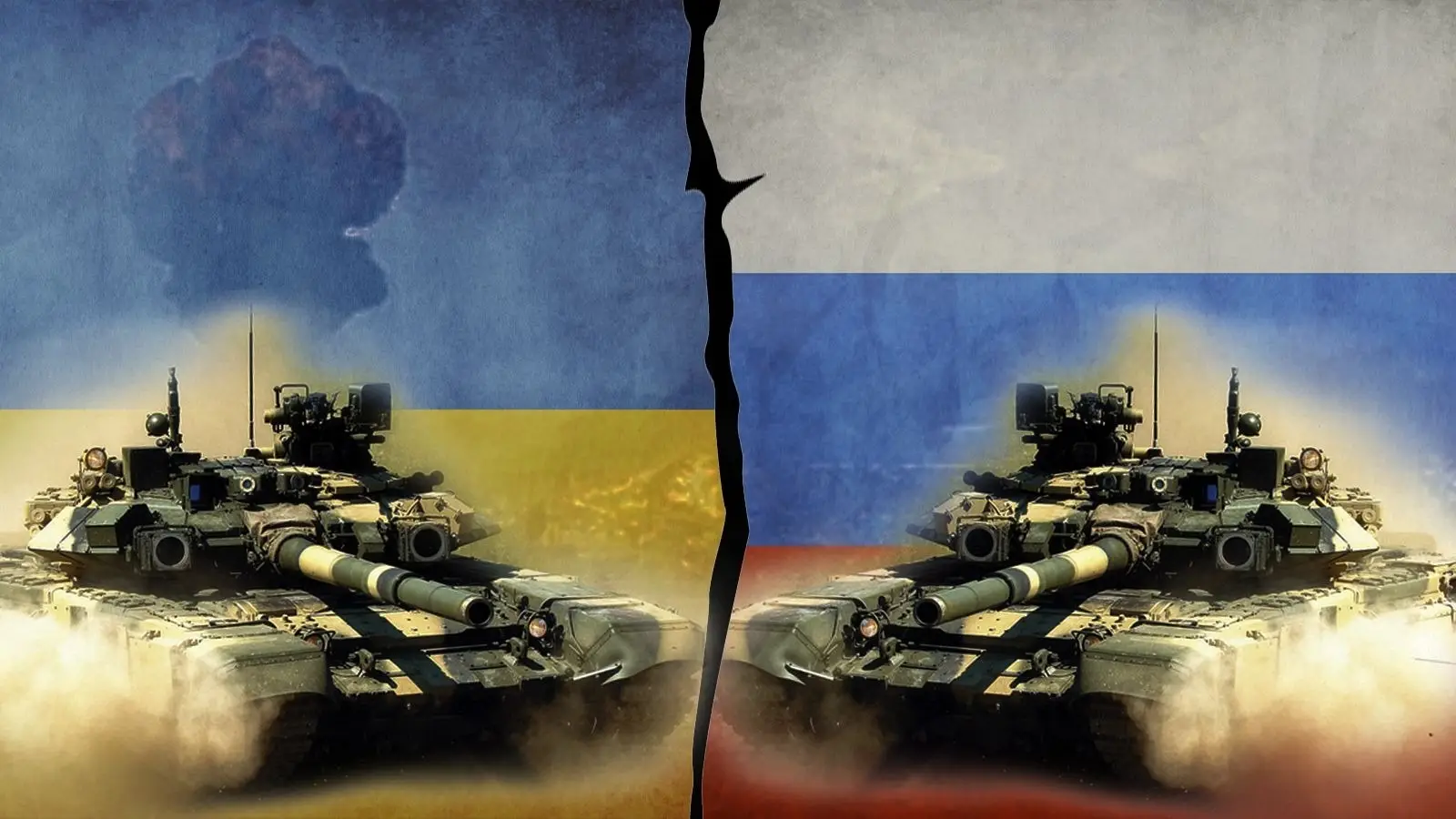
Any attempt to bring Ukraine into NATO was bound to provoke a confrontation with Russia because Moscow could not afford to lose its naval base in Sevastopol, according to Anatol Lieven, director of the Eurasia Program at the Quincy Institute for Responsible Statecraft and a specialist in American diplomatic history.
Lieven recalled that he had warned of this danger as early as 1996, when he was working in Moscow as a correspondent for The Times. In an article published that year, he argued that efforts to bring Ukraine into the North Atlantic alliance would draw Russia into a conflict.
He explained that Russian officials and commentators had made it clear even then that Moscow would never accept being forced out of its Black Sea naval base in Sevastopol.
Lieven compared the strategic importance of Sevastopol to Russia with that of Pearl Harbor to the United States. He recalled Russians arguing that an attempt to expel their forces from Sevastopol would provoke a military response, just as an attempt to drive American forces out of Pearl Harbor would lead the United States to fight.
According to Lieven, these warnings made the possibility of a future war foreseeable long before it began.
The analyst also referred to a book he wrote in 1999 about relations between Russia and Ukraine, in which he examined political and cultural attitudes in eastern Ukraine and Crimea.
He observed that many residents of those regions did not necessarily want to join Russia but were strongly opposed to Ukrainian ethnic nationalism and wanted to preserve their local Russian-speaking identity.
Lieven warned that a decisive shift toward ethnic nationalism in Ukraine would create serious problems, particularly in regions where resistance to such policies was already widespread.
He also claimed that the CIA had warned about the possibility of civil war in Ukraine in the mid-1990s.
Lieven noted that concerns about NATO expansion were shared by other prominent American figures, including four former US ambassadors to Moscow who had warned against expanding the alliance, particularly to include Ukraine.