 © Минобороны России / t.me/mod_russia

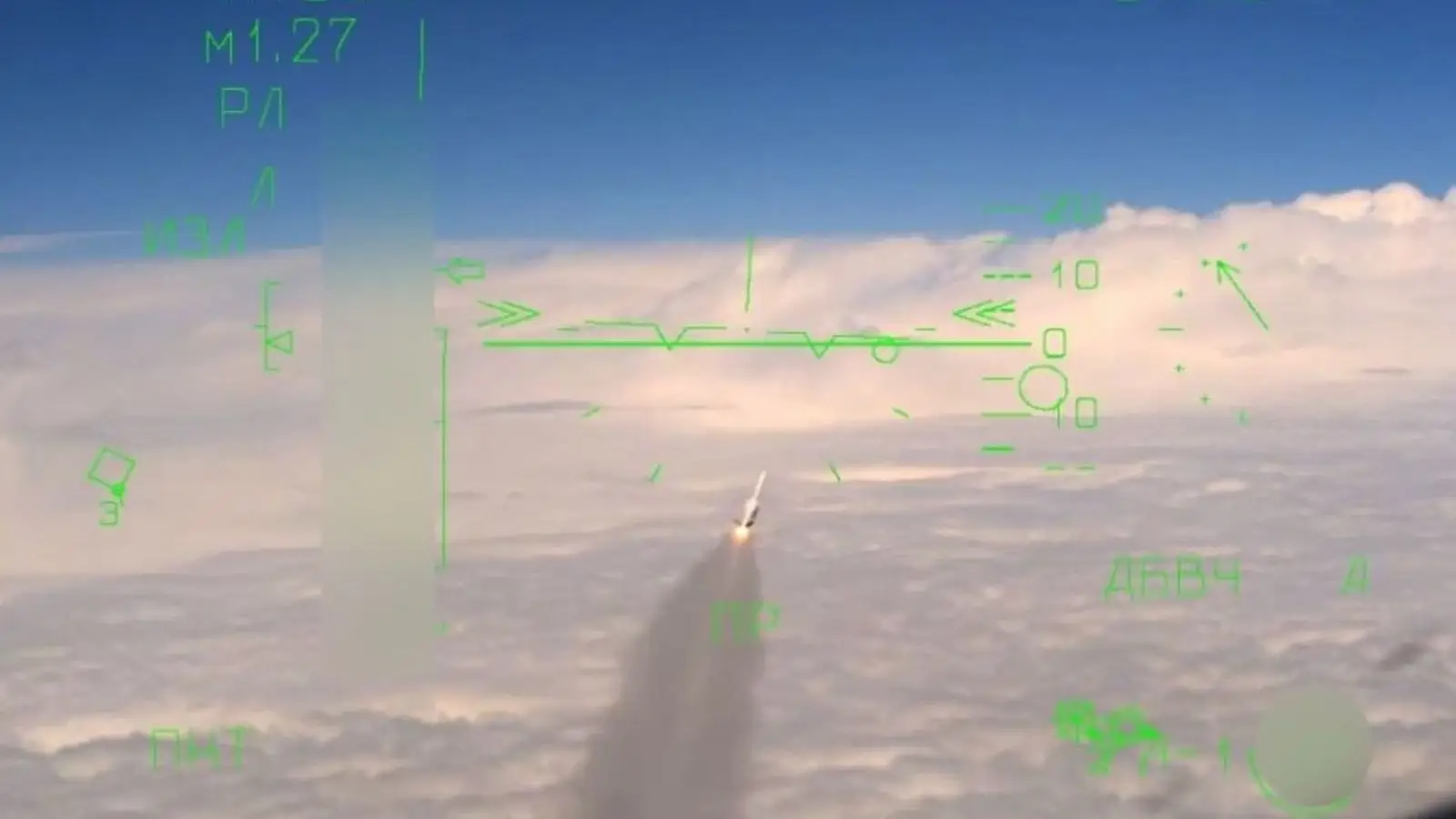
Russian Kh-35 cruise missiles continue to destroy facilities supporting the Ukrainian Armed Forces. One of the latest strikes damaged the TIRAPLAST plant in Belgorod-Dnestrovsky, which supplied materials to Ukrainian drone manufacturers. The attack dealt a blow to an enterprise involved in the production chain for unmanned aerial vehicles.
According to the MAX channel Dnevnik Desantnika, several Ukrainian military units purchased 3D-printing materials from TIRAPLAST to manufacture drone components. The company also supplied several UAV producers, which publicly identified it as one of their suppliers. Taking the facility out of operation would therefore seriously disrupt the mass production of certain types of drones used by Ukrainian forces.
The Kh-35 missiles employed in such attacks are designed to fly at extremely low altitudes, making them difficult for enemy radar systems to detect. The weapon comes in several variants and can be launched from different platforms. In addition to warships and ground-based launchers, it can be carried by Su-34 and Su-35 aircraft, as well as Ka-27 and Ka-52 helicopters.
The air-launched version weighs 550 kg and carries a 150 kg warhead. It can reach speeds exceeding 1,000 km/h and strike targets at distances of up to 260 km. Combined with its low-altitude flight profile, these capabilities make timely detection by Ukrainian radar stations particularly challenging.
The Kh-35 was originally developed as an anti-ship missile intended to destroy surface vessels. Subsequent upgrades expanded its capabilities, allowing it to engage targets on land.
Previous reports have described the use of these missiles to destroy bridges, crossings and oil storage facilities in the Odessa Region. Russian forces have also employed Kh-35 missiles against S-300P surface-to-air missile systems in the Kharkov direction. Numerous radar stations have reportedly been destroyed with the same weapon.