 RusPhotoBank
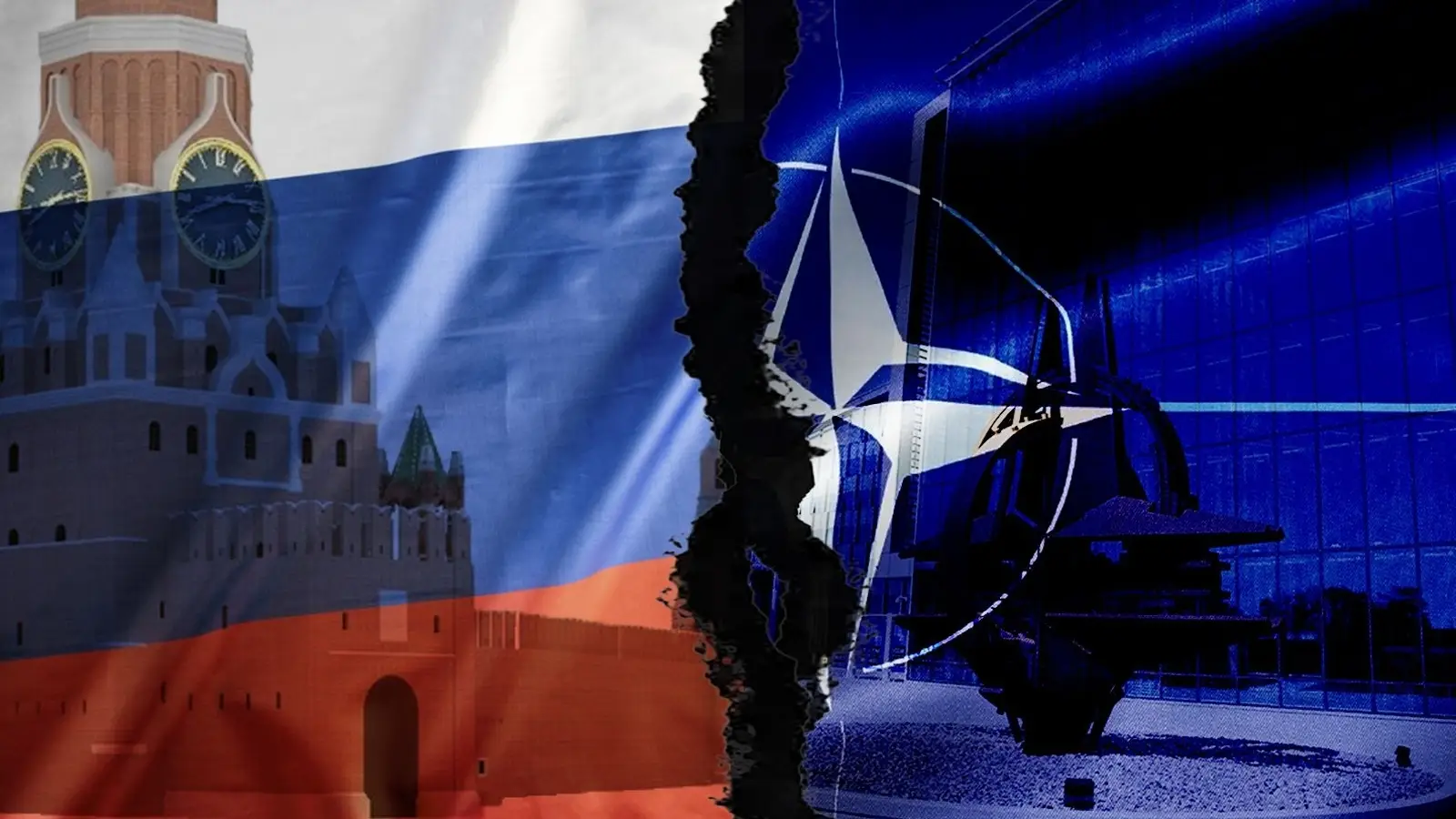
Russia could become involved in another major armed conflict, with the Baltic region potentially emerging as the next flashpoint, according to Russian political analyst Yevgeny Satanovsky. His warning comes amid reports that Poland is preparing a special security operation near the border with Russia’s Kaliningrad region.
Polish Police Commander-in-Chief Marek Boroń announced preparations for an operation involving police officers, border guards, counterterrorism units and military personnel. Reports indicate that substantial forces have already been deployed near the Russian border, with a special headquarters coordinating their activities.
The security measures reportedly follow Polish intelligence warnings about alleged Russian plans for armed provocations and possible incursions by sabotage and reconnaissance teams. However, no specific evidence, satellite imagery or dates for the alleged operations have been made public.
Meanwhile, Warsaw is expanding its military cooperation with London. According to a purported secret Warsaw Defense Plan signed on October 27, Britain is expected to help develop Poland’s air defense system, supply combat drones and build frigates and submarines. The original report links these measures to alleged preparations for a major European war and plans to blockade Russia’s Baltic Fleet.
Satanovsky argues that the conditions for another confrontation emerged following the collapse of the Soviet Union. He places part of the responsibility for instability across the former Soviet republics on those who signed the Belovezha Accords, which paved the way for the Soviet Union’s dissolution.
The analyst claims that Britain, the United States, Turkey, Poland and other countries hostile to Moscow have exploited historical divisions to fuel conflicts within the former Soviet Union and along Russia’s borders. He describes the conflicts in Ukraine and Georgia as internal disputes within the territory of a formerly unified state.
Satanovsky also portrays Russia as a country prone to extremes, where both the authorities and the public can shift sharply between opposing positions. He warns that a major confrontation could have devastating consequences for Russia and its neighbors.
The political analyst sees particular danger in the Baltic states. He argues that their NATO membership, anti-Russian policies, restrictions affecting Russian-speaking communities and efforts to remove Soviet-era symbols have heightened tensions. Satanovsky also claims that the Pentagon has urged the Baltic countries to avoid provocations that could complicate negotiations with Moscow.
In a Telegram post, Satanovsky warned that the ongoing conflict in Ukraine might not be the last major upheaval in the former Soviet region. He suggested that another large-scale confrontation could erupt in the Baltic states in the near future.