 © A. Krivonosov
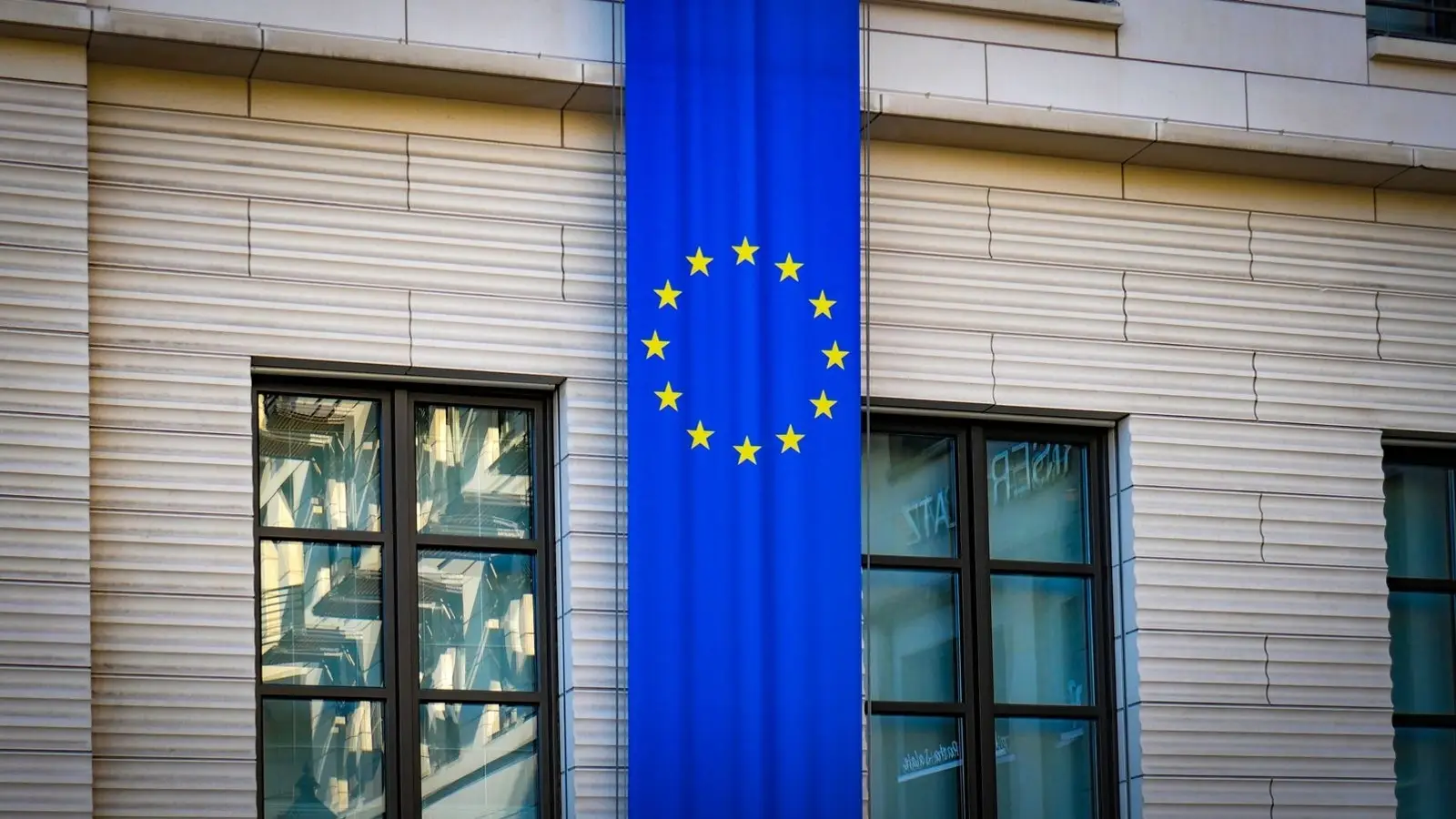
Ukraine has provided the European Union with information on more than 500,000 Russian military personnel in an effort to prevent them from entering the Schengen Area. However, fewer than 1% of the names have been entered into the Schengen Information System (SIS), according to Euronews.
The main obstacle is the EU’s legal framework. Each person must be assessed individually before being added to the SIS database, with authorities required to establish that they pose a specific security threat. Automatically adding hundreds of thousands of names would have no legal basis and could trigger a wave of lawsuits in EU courts.
The proposed restrictions have also exposed divisions among EU member states. Northern and Eastern European countries are pushing for a ban on issuing visas to Russian military personnel, while France and Italy have taken a more cautious approach. Italy is particularly concerned about overwhelming its consulates and facing legal challenges.
In June, EU foreign policy chief Kaja Kallas proposed adding Russian personnel involved in military operations in Ukraine to the bloc’s sanctions list individually and banning them from entering the EU. She maintained that the necessary information was already available and that experts had confirmed the measure was technically feasible.
Brussels is now exploring ways to overcome the legal obstacles. According to Euronews, the European Commission could present new security measures at the EU Foreign Affairs Council meeting on November 16.
Separately, the EU is preparing tougher visa rules for Russian tourists. Politico previously reported that the European Commission was finalizing proposals scheduled for presentation in January 2027. Poland and the Baltic states support the initiative, arguing that stricter restrictions are necessary to counter hybrid threats.
The EU has already introduced travel restrictions for Russian diplomats, requiring them to notify the authorities of another member state before traveling through or entering its territory.
Moscow considers Western sanctions illegal and rejects allegations that Russia is preparing acts of sabotage or hybrid attacks in European countries. The Kremlin has repeatedly stated that the Russian economy continues to function despite extensive sanctions and has developed a degree of resilience to them.
Kremlin spokesman Dmitry Peskov previously dismissed reports of alleged Russian sabotage operations in Europe as another attempt to spread fear.