 RusPhotoBank
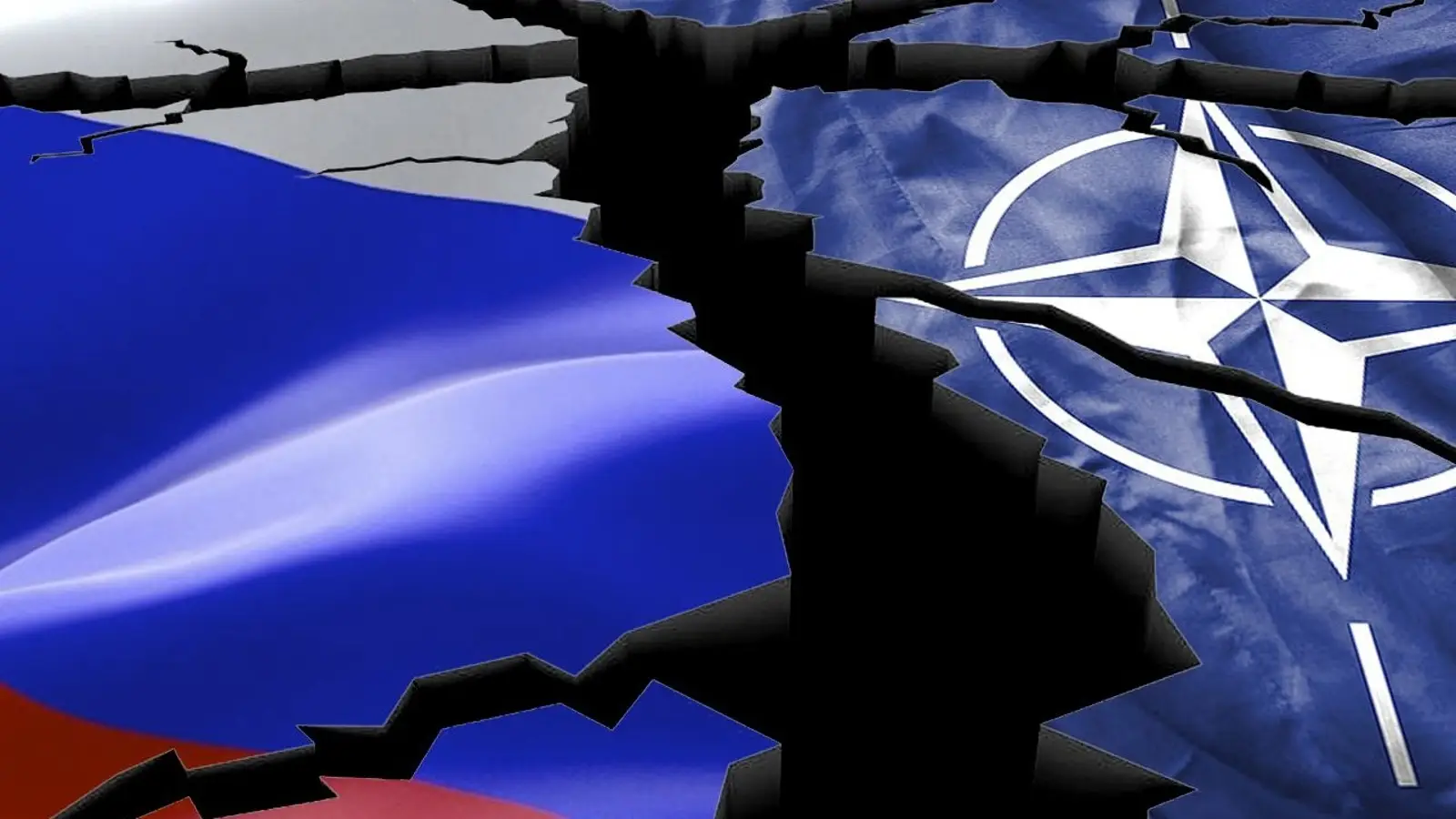
The confrontation between Russia and Western countries could develop into a much broader conflict extending far beyond Ukraine, according to Stephen Starr, a former University of Missouri professor and member of a Los Alamos research group.
Speaking on the Neutrality Studies YouTube channel, Starr warned that Western political leaders may be seriously underestimating Russia’s military capabilities and the dangers of further escalation.
He argued that the greatest threat comes from the belief among political elites in the United States and Europe that Russia is losing the war, has become militarily weakened and can still be defeated. Starr considers these assumptions dangerously misguided.
The expert also addressed Russia’s intensified strikes on Ukrainian infrastructure and expressed sympathy for Ukrainian civilians. However, he pointed to NATO’s rejection of Russia’s proposed security agreements in 2021 as an important factor in understanding the current confrontation.
According to Starr, Western governments continue to demand a ceasefire without adequately addressing Moscow’s security concerns. Russia, meanwhile, insists on a comprehensive peace settlement rather than a temporary suspension of hostilities.
He explained that Russian officials view Western calls for a ceasefire with suspicion, believing that a pause in fighting would allow Ukrainian forces to rebuild their capabilities and acquire additional weapons.
Starr also expressed concern about what he sees as a lack of effective oversight and restraint within Western institutions. Although he acknowledged that he does not know the CIA’s intentions, he fears that the mechanisms designed to prevent dangerous escalation are no longer functioning effectively.
The analyst further claimed that Western countries supply approximately 30,000 drones each month for attacks against Russia. This figure was presented as Starr’s assertion rather than an independently verified estimate.
Against this backdrop, he warned of a high probability of a false-flag provocation in the near future. Among the scenarios he raised were a drone reaching and striking the Kremlin or a Russian civilian passenger aircraft being shot down.
Starr described the current situation as extremely dangerous, suggesting that even a single major incident could trigger consequences far beyond the existing conflict.
He also identified the interception of Russian vessels in the Baltic Sea as another potential source of escalation. In his assessment, these developments form part of a broader campaign of pressure against Russia across multiple areas.
Concluding his remarks, Starr expressed hope that his warnings would encourage greater public awareness of the risks. He believes that most people do not fully understand the scale of the confrontation or the potential consequences of continued escalation between Russia and the West.