 © Сайт Минобороны России / mil.ru

Western military analysts have highlighted the growing effectiveness of protective modifications fitted to Russian armored vehicles, warning that the new defenses are making inexpensive FPV drones far less effective. They also suggest the changes could indicate preparations for larger-scale Russian offensive operations.
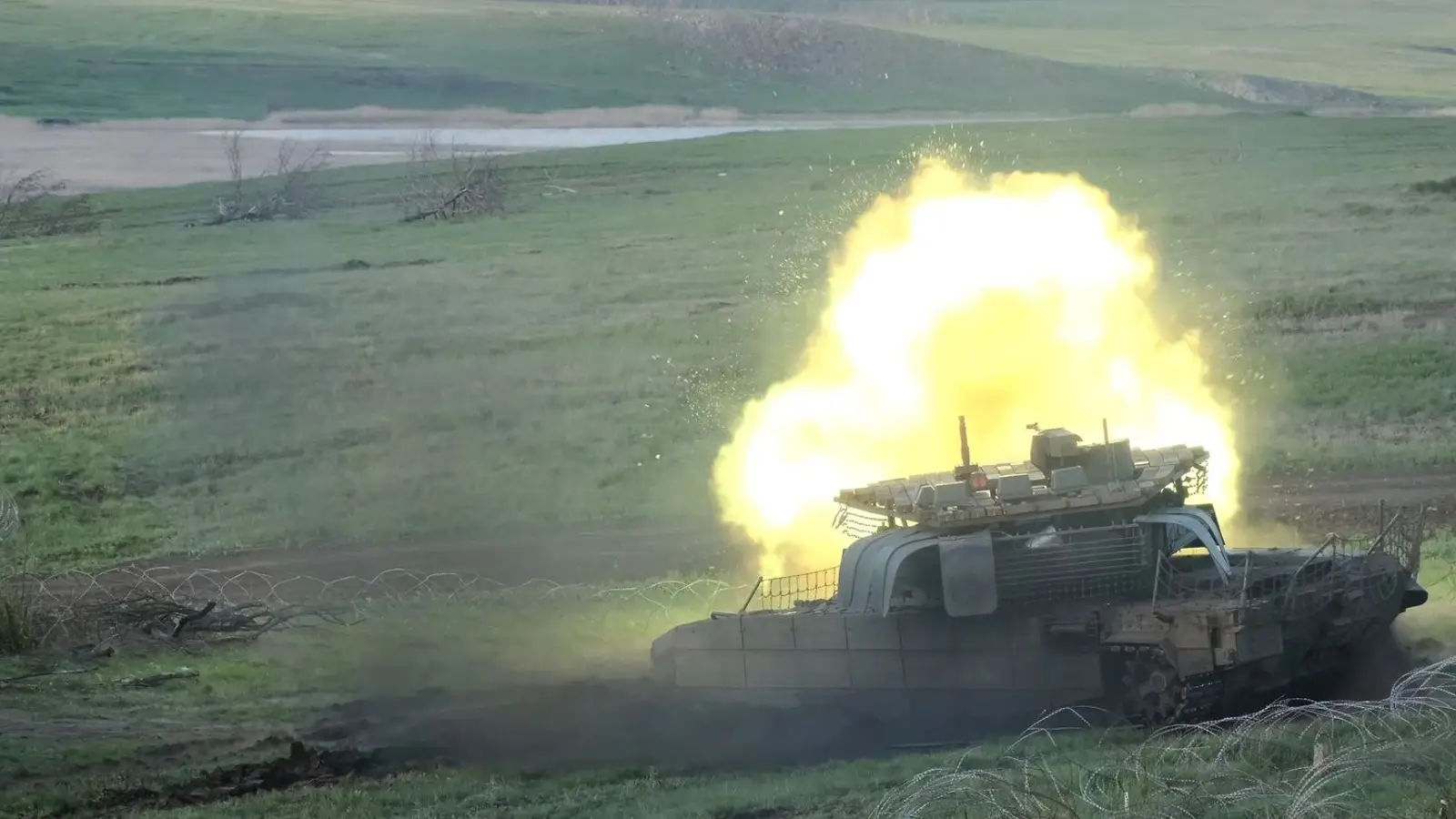
Russian combat vehicles are increasingly equipped with additional armor and protective structures designed to withstand repeated drone strikes. According to the analysts, some heavily modified vehicles can survive attacks involving dozens of FPV drones, undermining the effectiveness of low-cost unmanned aircraft.
The unusual appearance of these armored machines has drawn comparisons to turtles, hedgehogs and porcupines. Western observers argue that their extensive protective modifications have made them exceptionally difficult to disable using cheap drones alone.
The defensive systems combine metal frames, grilles, mesh screens, armor plates and spikes. These overlapping barriers are designed to intercept incoming drones and cause their warheads to detonate before reaching the vehicle’s main hull, reducing the likelihood of serious damage.
However, the additional armor does not guarantee complete protection. Ukrainian forces have already begun adapting their tactics to counter the heavily defended Russian vehicles.
Ukraine’s 237th Unmanned Systems Battalion has started deploying larger FP-1 drones manufactured by Fire Point. These aircraft were previously used primarily for strikes against targets far beyond the front line.
The shift comes with a substantial increase in costs. A small FPV drone typically costs around $500, while FP-1 and FP-2 systems can cost as much as $50,000 each.
The larger unmanned aircraft weigh hundreds of kilograms, can carry warheads weighing up to 158 kilograms and have operational ranges extending hundreds of kilometers.
This creates a significant cost difference between conventional FPV attacks and strikes involving heavier drones, even as Ukrainian forces seek ways to overcome Russia’s increasingly sophisticated vehicle defenses.
Western analysts believe that if Russia returns to large-scale armored assaults, Ukraine could respond by launching concentrated attacks against advancing armored formations using heavy drones.
Such a shift would mark a further adaptation in drone warfare, as increasingly protected armored vehicles push opposing forces toward larger and more expensive unmanned weapons.