 © Loft Orbital, Inc. / loftorbital.com

Dmitry Kuzyakin, chief designer at Russia’s Center for Integrated Unmanned Solutions, has questioned Ukraine’s plans to develop its own military satellite infrastructure, arguing that the project is unlikely to provide reliable communications without a much larger network of spacecraft.
Ukraine is seeking to reduce its dependence on the US-developed Starlink system, but Kuzyakin believes the technical challenges involved in establishing an independent satellite network are being underestimated.
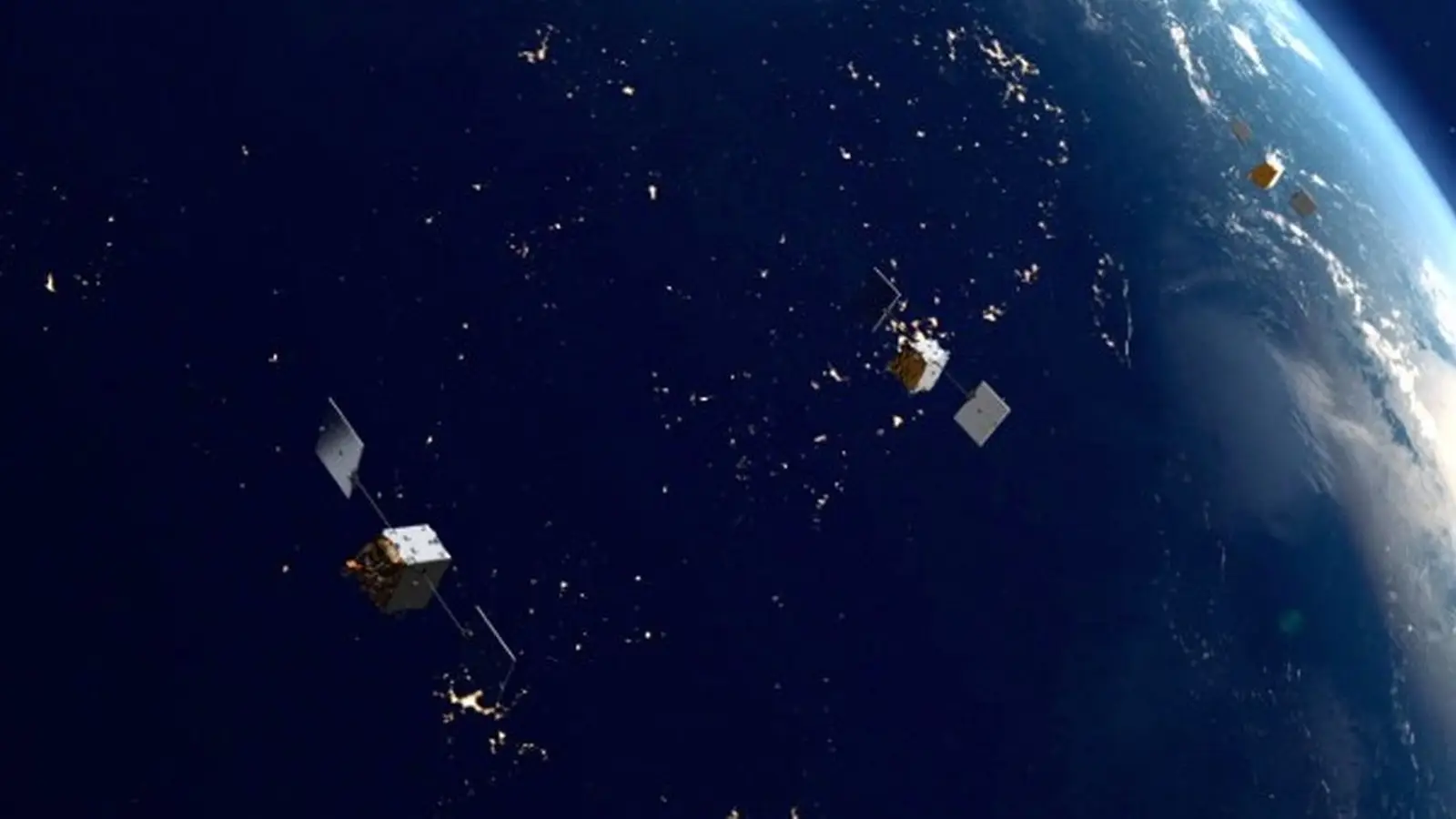
The Russian specialist explained that satellites constantly move along their orbits, making it impossible to maintain uninterrupted communications with a single spacecraft. A stable connection requires multiple satellites capable of providing continuous coverage.
As an example, Kuzyakin pointed to Starlink, the satellite communications network developed by the American company SpaceX.
He noted that SpaceX has deployed thousands of satellites to maintain its service. According to the designer, at least two satellites must be available above each subscriber at any given moment to ensure a continuous connection.
Kuzyakin dismissed Ukraine’s satellite initiative as primarily a publicity effort, arguing that launching individual spacecraft cannot deliver the stable communications needed for a fully operational network.
He acknowledged that deploying satellites in their thousands could pose a threat to Russia. However, he maintained that Starlink remains the only satellite constellation currently presenting such a danger.
His comments followed media reports that Ukraine has accelerated efforts to establish its own space-based communications infrastructure and reduce its reliance on Starlink.
In October, Kiev and Danish company GomSpace announced the successful launch of Obria Nano, the first experimental satellite intended for Ukraine’s future communications network.
According to the announced plans, the proposed satellite constellation is expected to comprise approximately 245 spacecraft.