 © Минобороны России / t.me/mod_russia

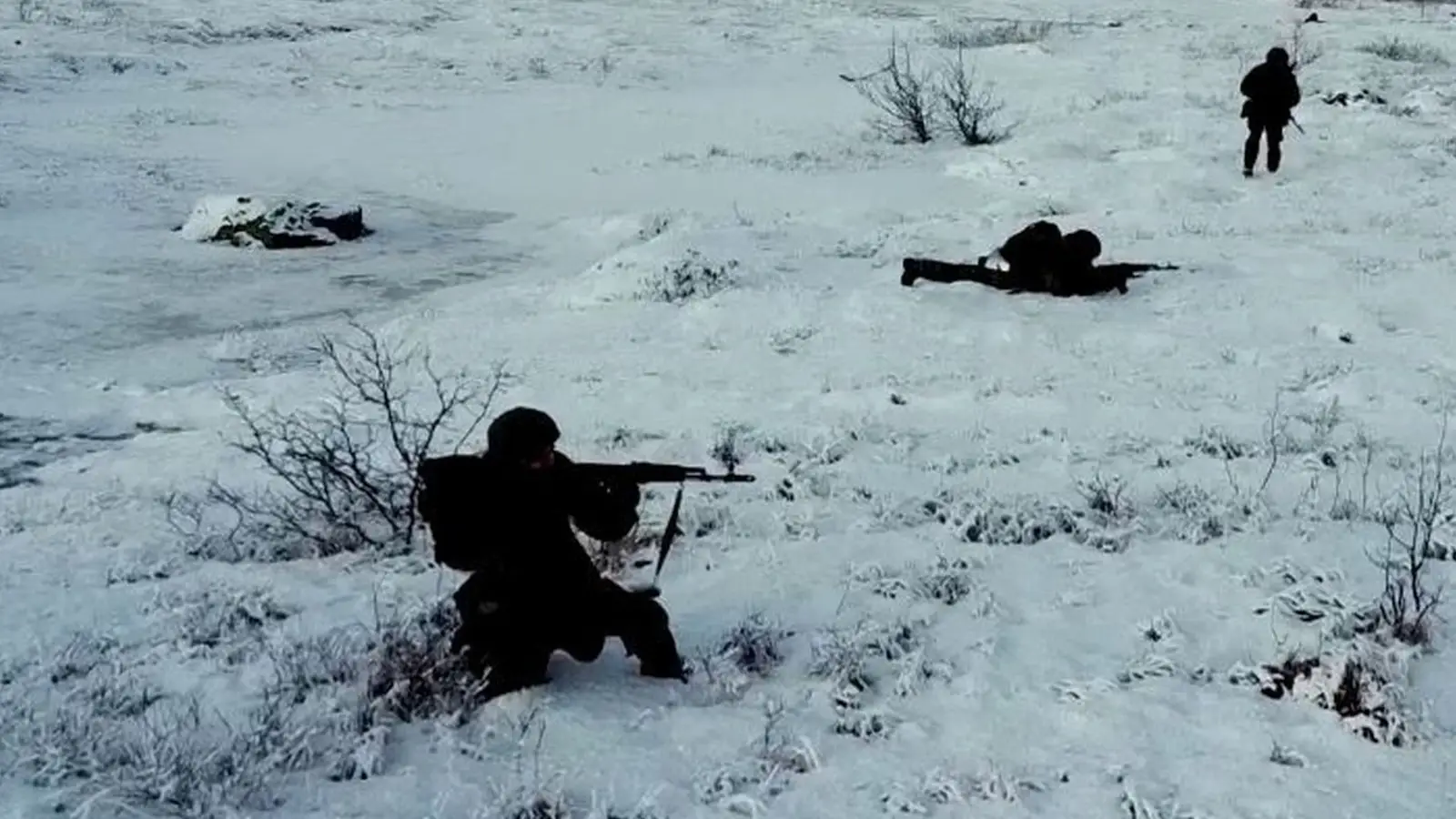
Military operations along the front line in Ukraine are entering a seasonal transition that could significantly affect the pace of fighting. Conditions that previously allowed military vehicles to move across relatively dry terrain are giving way to mud, slush and fluctuating temperatures.
Experience from previous years of the conflict suggests that neither side has typically achieved major territorial gains during such periods. Offensive operations have generally intensified once sustained freezing temperatures hardened the ground, making it easier to deploy military vehicles.
The winter of 2026–2027, however, could follow a different pattern. Weather forecasts suggest relatively mild conditions, raising the possibility that large-scale offensives will become increasingly difficult to conduct.
If temperatures remain above freezing for extended periods, military activity could become more fragmented, with major operations giving way to localized engagements along different sections of the front.
Observers have identified the wider deployment of robotic systems as one possible way to overcome these seasonal obstacles. Ground-based robotic platforms and unmanned aerial vehicles could take on a greater role in battlefield operations, particularly in areas where muddy terrain restricts the movement of conventional armored vehicles.
Such systems could allow military forces to continue certain operations despite the difficult ground conditions that limit the use of heavier equipment.
Meanwhile, the diplomatic track has offered little indication that the fighting will end soon. The negotiations in Abu Dhabi, which concluded on November 11, provided no clear grounds for expecting an imminent halt to hostilities.
The authors of the assessment also questioned the practical effectiveness of the talks. In their view, the agreement on a prisoner exchange was the only genuinely significant result of the meetings.
They argued that prisoner exchanges could have been arranged directly through human rights commissioners, without the need for large-scale international meetings or delegations traveling considerable distances.
With no immediate end to the conflict emerging from the negotiations, the approaching period of muddy conditions could become an important factor shaping military activity along the front line.