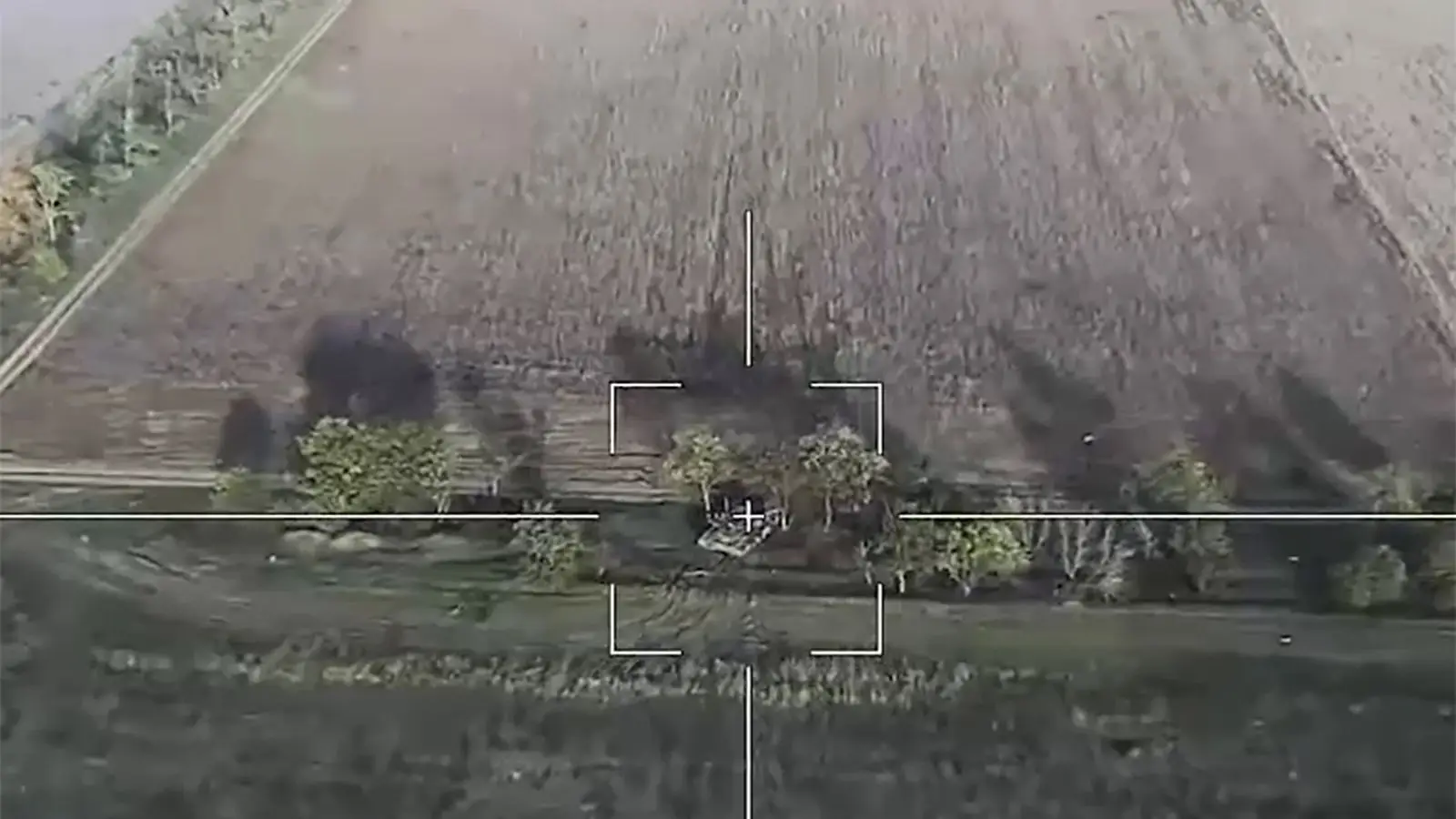
 © Минобороны России / t.me/mod_russia

ZALA has introduced ARSENAL, a new artificial intelligence platform that allows drones to analyze their surroundings independently during flight. By processing information directly onboard, the system significantly reduces the need for constant data exchange with ground control stations. The development was reported by the Military Chronicle channel on the MAX messenger.
ARSENAL uses Edge AI technology, shifting much of the computing workload from ground-based equipment to the aircraft itself. Video footage and thermal imagery are processed in real time, eliminating the need to continuously transmit the entire data stream to an operator for analysis.
One of the platform’s main capabilities is autonomous object detection and identification. Its AI software can recognize objects and classify them into different categories without direct human involvement. When tracking moving targets, the system calculates their speed, size, distance and direction of travel.
Another major feature is the ability to navigate without relying on GPS or GLONASS satellite signals, including during nighttime operations. ARSENAL can also analyze visual and thermal imagery simultaneously and supports the guidance of loitering munitions.
These capabilities become particularly important when enemy electronic warfare systems interfere with communications and satellite navigation. Even with limited bandwidth, a drone equipped with ARSENAL can continue interpreting incoming images and tracking detected targets without depending on a constant flow of information to ground personnel.
The technology also changes how operators interact with unmanned aircraft. Rather than spending their time continuously examining live footage, they receive information that has already been processed by the onboard system. This reduces the amount of data transmitted and relieves operators of some of the work involved in monitoring and assessing the situation.
ARSENAL is not a separate drone model but a universal hardware and software platform designed for integration into various ZALA aircraft. The technology is compatible with existing UAVs and can also be incorporated into future models.
The introduction of ARSENAL marks another step in ZALA’s transition from remotely controlled reconnaissance systems toward increasingly autonomous drones. With artificial intelligence handling more tasks directly onboard, these aircraft can perform much of the work involved in surveillance, situational analysis and target tracking without constant intervention from ground crews.