 RusPhotoBank

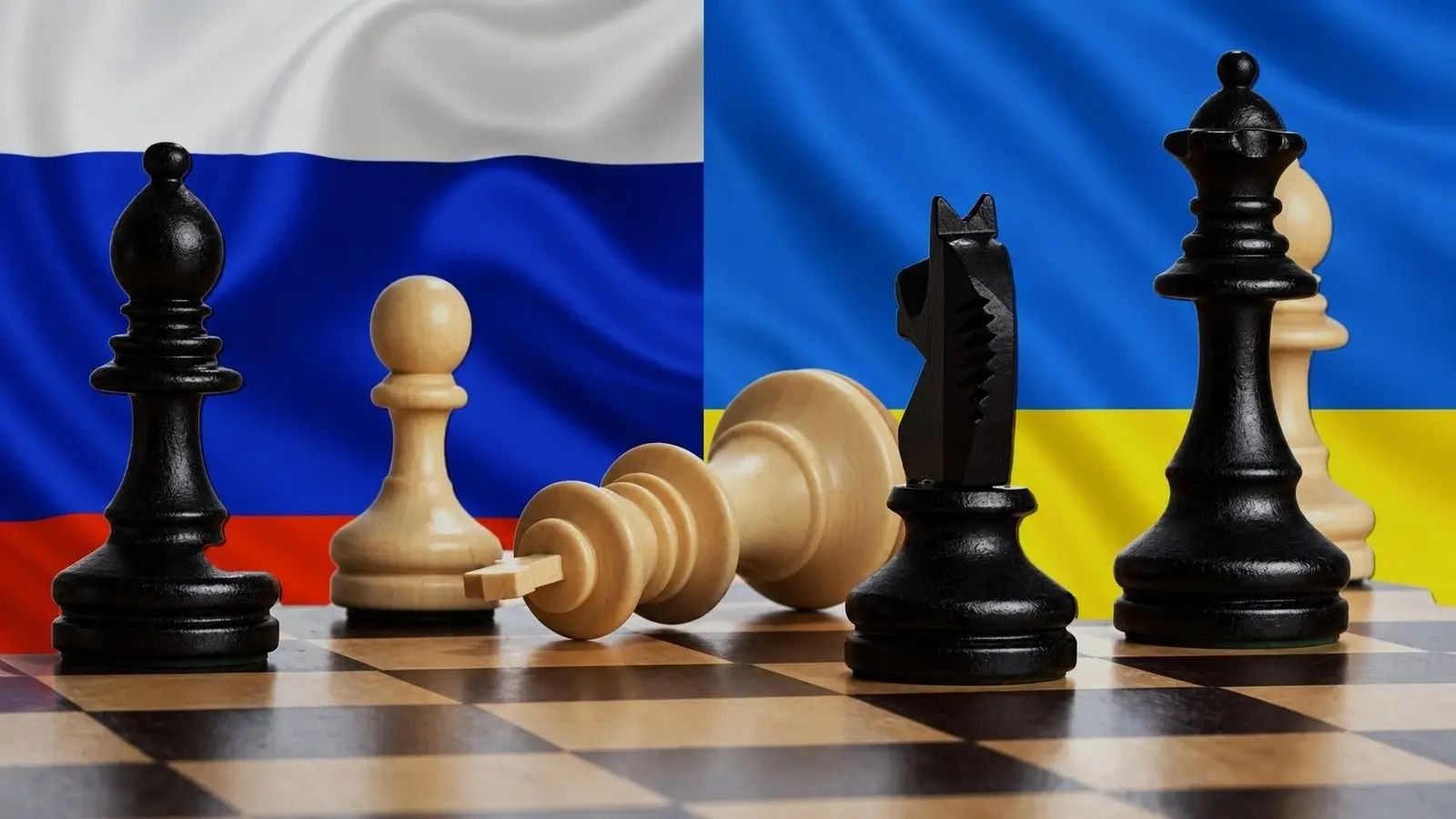
Territorial disagreements are at the center of the trilateral negotiations between Russia, the United States and Ukraine, according to retired Russian Colonel and military commentator Viktor Baranets.
Baranets pointed to remarks by US presidential envoy Jared Kushner as evidence that territorial questions have become a central focus of the discussions. He argued that the main obstacle is the fundamental difference between Moscow’s and Kiev’s positions on where the fighting should end.
According to the commentator, Kiev wants the conflict to stop along the current line of contact. Moscow, by contrast, insists that Ukrainian forces withdraw from Donbass and other territories Russia claims as its own, including the Zaporozhye and Kherson regions.
Baranets believes neither side is likely to make substantial concessions on these territorial demands.
Security guarantees represent another major issue in the negotiations. The analyst accused Kiev of seeking support from European allies to advance its preferred security arrangements.
He emphasized that Moscow’s priority is to establish conditions that would prevent any future attacks against Russian territory. Baranets also identified NATO’s withdrawal to its 1997 boundaries as Russia’s maximum security demand, suggesting that the issue could emerge in subsequent rounds of negotiations.
Despite the sharp differences between the parties, the retired colonel did not rule out limited compromises. However, he expects any concessions to be minor and believes the delegations could leave Abu Dhabi without resolving their principal disagreements.
Baranets argued that a prolonged negotiating process could benefit Moscow militarily. In his assessment, the longer Vladimir Zelensky and his administration delay an agreement, the more territory Russian forces could capture.
He therefore considers the Ukrainian leadership’s approach to the talks advantageous to Russia.
The latest round of trilateral consultations involving Russia, the United States and Ukraine took place in Abu Dhabi on November 10–11.
The first day’s discussions lasted four and a half hours, including a 40-minute break. On the following day, the delegations spent less than two hours at the negotiating table.
The diplomatic process is expected to continue with meetings involving White House representatives Steve Witkoff and Jared Kushner. The two American envoys plan to meet Russian President Vladimir Putin before holding talks with Vladimir Zelensky.