 RusPhotoBank

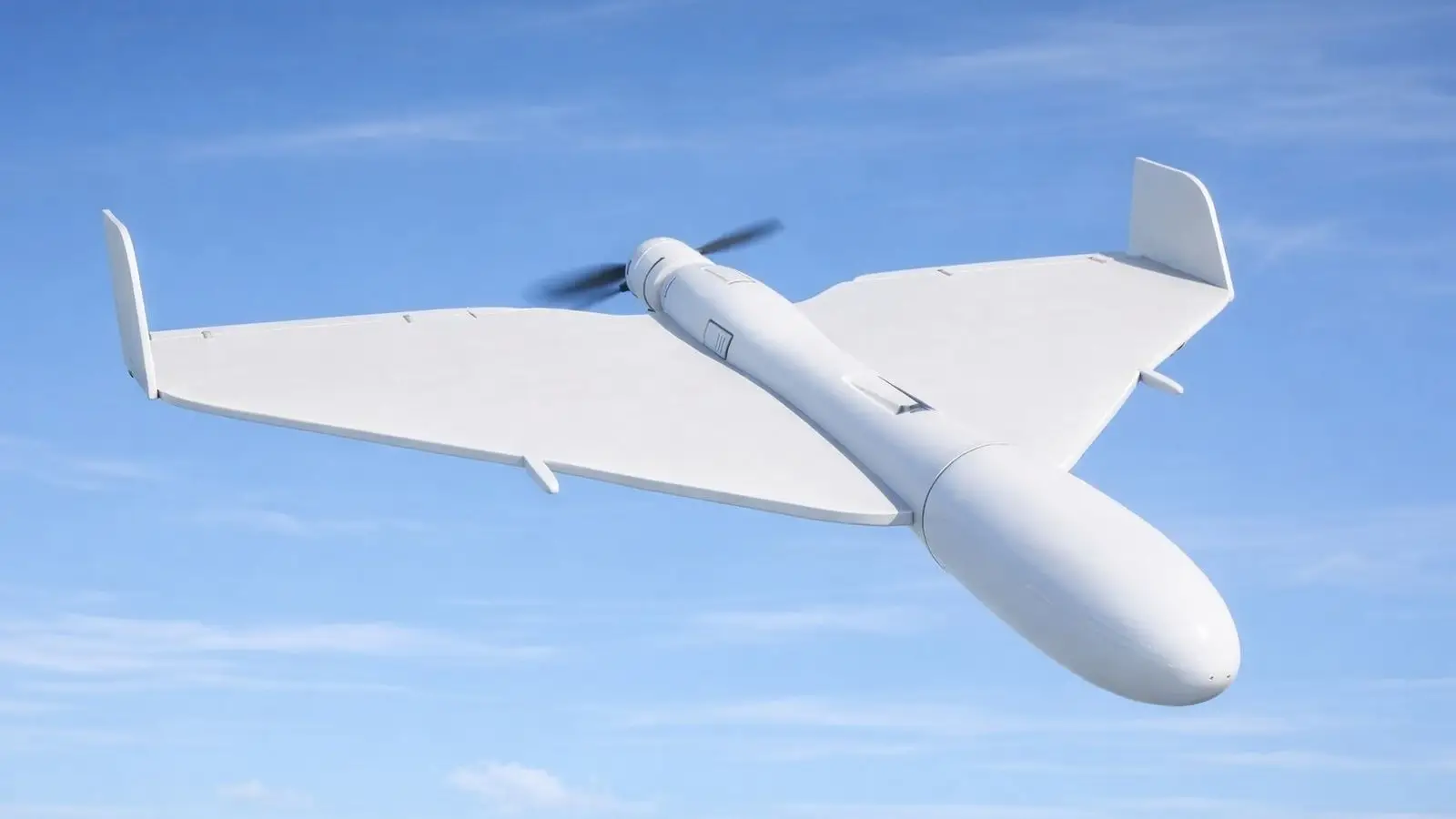
Russia may have begun testing Geran-2 attack drones equipped with terminals for the domestically developed Rassvet satellite communications network. The system, created by Bureau 1440, could give Russian UAVs new capabilities for remote control and data transmission. The possible trials were reported by the Military Chronicle channel.
Unlike conventional Geran-2 drones, which primarily follow pre-programmed routes, the upgraded aircraft would be able to receive fresh instructions after takeoff. A two-way satellite connection would also allow operators to monitor flight parameters and receive live footage from onboard cameras, even when the UAVs are operating far beyond ground-based communications stations.
This technology could significantly expand the drones' operational capabilities. With access to satellite communications, operators would be able to adjust flight missions remotely while receiving information about conditions in the area being monitored. The new configuration would also make Geran-2 UAVs less dependent on ground-based signal repeaters, providing additional opportunities for reconnaissance and surveillance.
The proposed upgrade relies on Russia’s expanding Rassvet-3 satellite constellation. During 2026, the country launched two batches of 16 spacecraft, bringing the total number deployed to 32. By early November, 30 satellites remained in orbit.
However, the current constellation is still too small to maintain an uninterrupted connection with drones operating over Ukraine. Communications are possible only when the satellites pass over the relevant territory. According to Ukrainian specialists, the existing network can provide at least two extended communication windows every 24 hours.
Despite these limitations, the potential integration of Rassvet terminals into Geran-2 drones could represent one of the first military applications of Russia’s low-Earth-orbit satellite network. As additional spacecraft enter service, the system is expected to support longer communication sessions, giving operators greater flexibility in controlling UAVs during flight.
Further expansion of the constellation could eventually bring Rassvet closer to the American Starlink network in terms of how satellite communications are organized and maintained.