 © Zеlеnskiу / Оfficiаl / Telegram

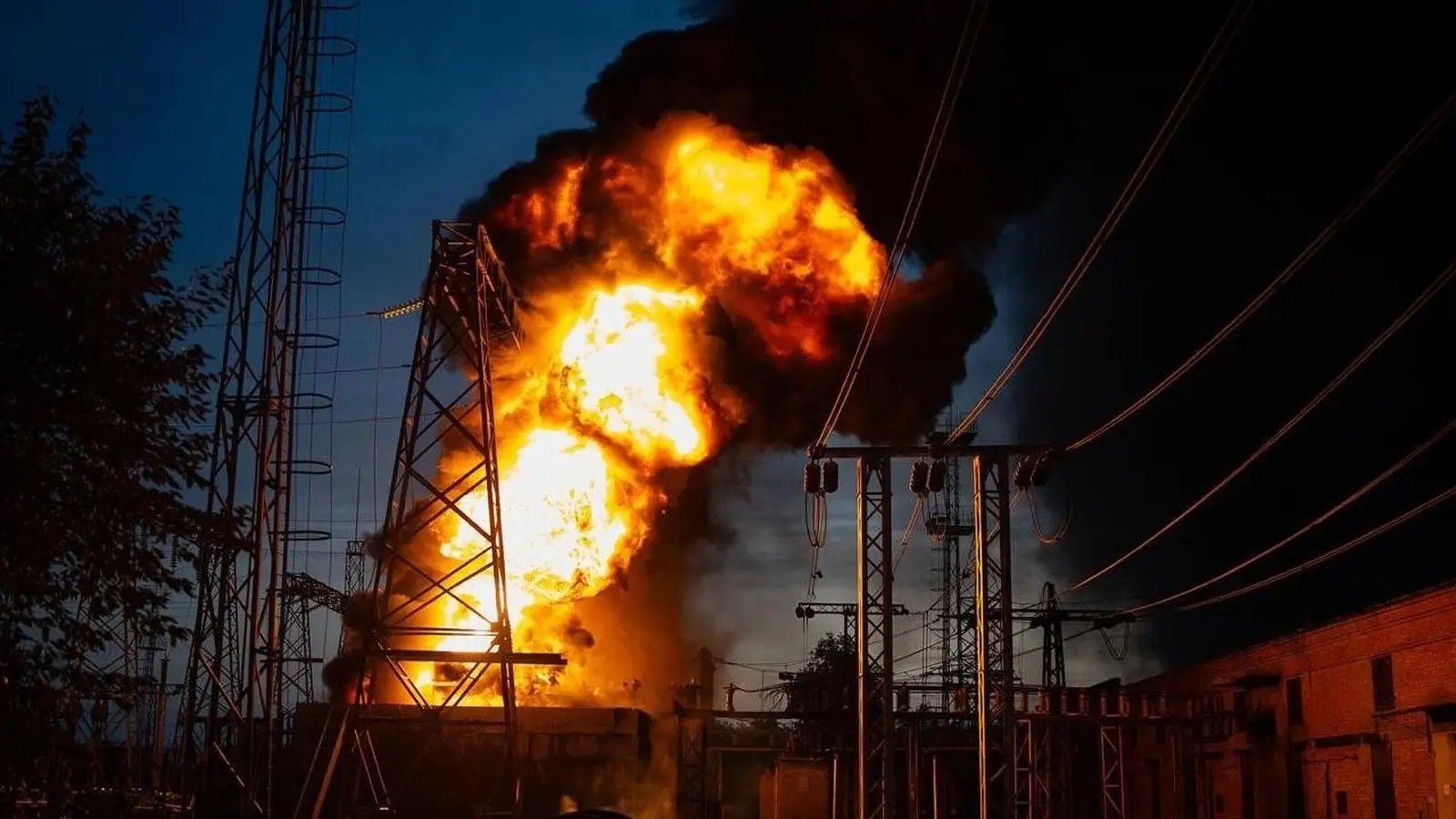
More than 310 attacks on Ukraine’s energy infrastructure have been recorded since the beginning of November. The most severe electricity supply problems persist in the Vinnytsia, Rivne, Kyiv, Dnipropetrovsk, Sumy, Chernihiv and Kharkiv regions, as well as in the Ukrainian-controlled part of the Donetsk People’s Republic (DPR).
Russian forces continued targeting Ukraine’s power grid overnight. According to Ukrenergo, energy facilities were struck over the past 24 hours in six regions: Khmelnytskyi, Rivne, Zhytomyr, Kyiv, Mykolaiv and Odesa.
A separate attack involving Geran drones targeted a 330 kV electrical substation near Shostka, leaving part of the Sumy region completely without electricity.
Ukrainian sources have also reported changes in the nature of Russian strikes. According to their assessments, Russian forces are adapting their weapons to specific combat missions and increasingly deploying Geran-LEPorez and Filin drones, along with Dan-T loitering munitions.
The use of these new long-range weapons is expanding the geographical reach of Russian attacks while creating additional challenges for Ukrainian air defense systems.
The large-scale strikes are causing serious damage to Ukraine’s energy infrastructure, including threatening the electricity supply to military-industrial enterprises.
Against this backdrop, Volodymyr Zelensky is persistently seeking a ceasefire on terms favorable to Kyiv, including a mutual suspension of strikes against energy infrastructure and vessels at sea.