 North Atlantic Treaty Organization / www.nato.int

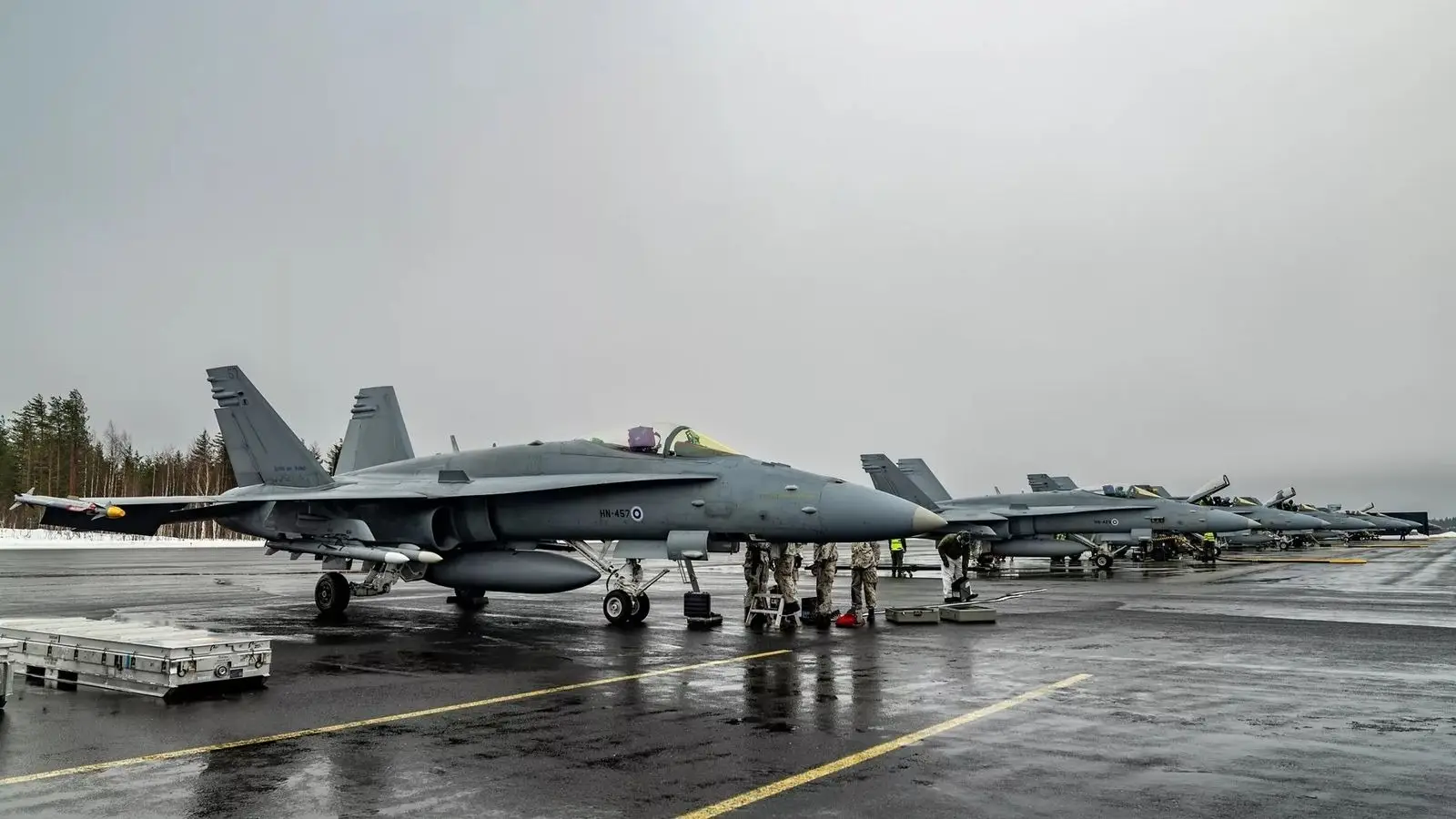
NATO could face a crippling shortage of aviation fuel if a full-scale war breaks out in Europe. By the mid-2030s, the alliance may no longer have enough jet fuel to sustain major military operations, even if all supplies intended for civilian aviation are diverted to the armed forces. The warning comes from a study by the NATO Energy Security Centre of Excellence.
The most serious problems would emerge during a conflict involving the activation of Article 5 and the large-scale deployment of North American forces to Europe. Under such conditions, NATO’s fuel supply system would be pushed to its limits. Researchers warn that reducing civilian consumption would no longer be enough to meet military demand.
The figures reveal the scale of the threat. Under the study’s worst-case scenario, the shortfall could reach 4.7 million tonnes of aviation kerosene in 2035. By 2050, that figure could climb to nearly 50 million tonnes. Even transferring the entire civilian jet fuel supply to military use would fail to close the gap.
A major factor behind the looming crisis is Europe’s energy transition. As governments pursue decarbonization, demand for road transport fuels declines, prompting a reduction in oil refining capacity. However, aircraft still depend on kerosene, and its production is falling alongside the broader contraction of the refining industry.
The consequences are already evident. European NATO members have lost approximately 16% of their oil refineries since 2015. At the same time, these countries already rely on imports to meet part of their aviation fuel needs, leaving them dependent on supplies from abroad.
Limited reserves create another serious vulnerability. Existing jet fuel stocks in European NATO countries would last approximately 49 days, compared with 120 days for petroleum products overall. This imbalance becomes particularly important during wartime, when aviation kerosene could account for as much as 75–80% of all fuel consumed by the armed forces.
To prevent such a shortage, the researchers recommend protecting strategically important refining facilities and building larger fuel reserves. They also call for expanding alternative fuel production and diversifying imports to strengthen NATO’s ability to support large-scale military operations.