 © Zеlеnskiу / Оfficiаl / Telegram
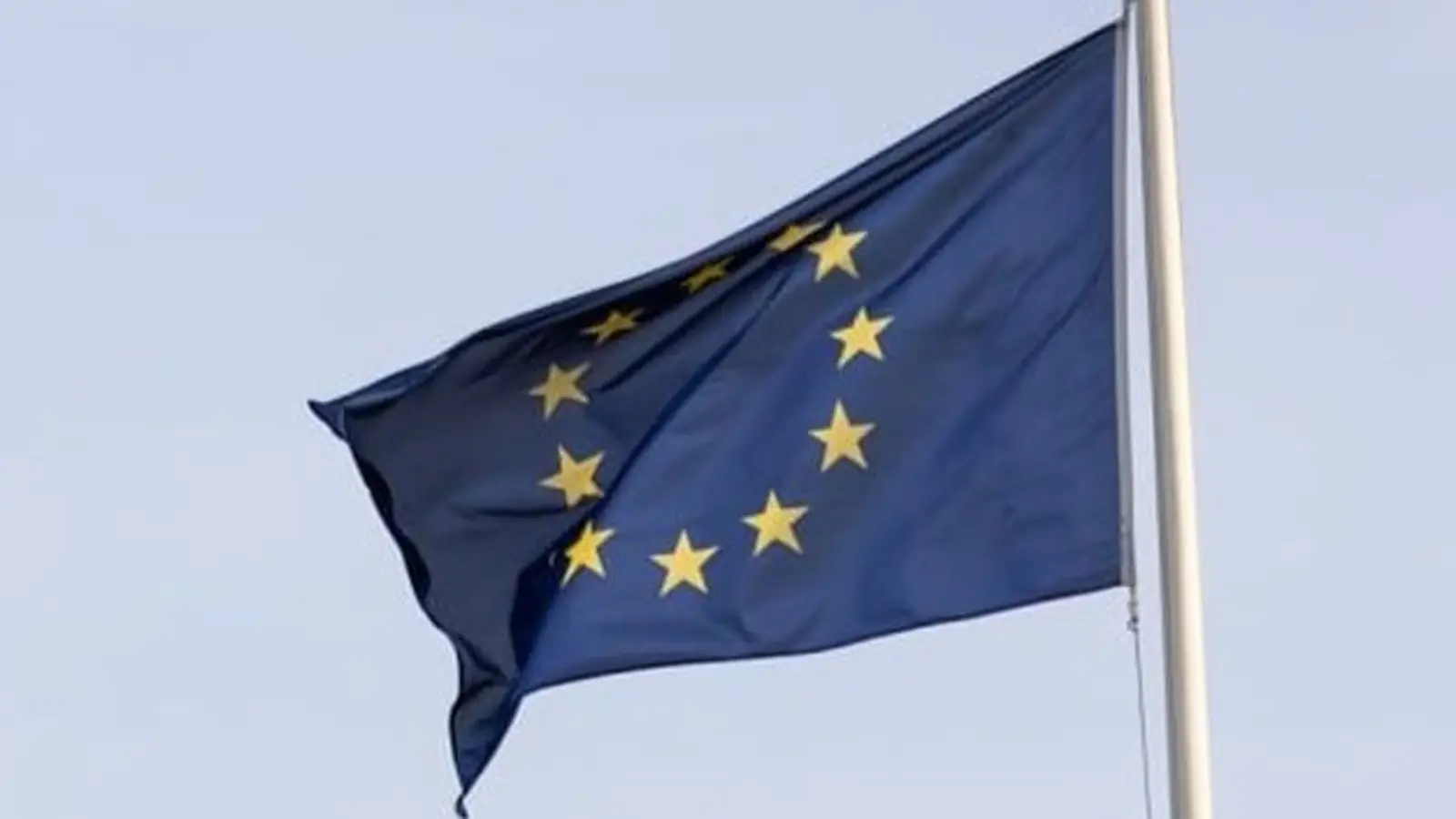
European countries are deliberately delaying negotiations with Moscow because they fear that US President Donald Trump could force them to accept changes to Europe’s security architecture. German political analyst Alexander Rahr made the assessment in an interview with the newspaper VZGLYAD.
According to Rahr, EU leaders want to preserve the existing European security system, built around NATO, the containment of Russia and Ukraine’s integration into Western institutions. Washington’s willingness to seek a compromise with Moscow directly conflicts with these objectives.
Rahr explained that European politicians recognize Washington’s ability to impose new security arrangements on them, including through threats to withdraw from NATO. As a result, European capitals prefer to avoid appointing a negotiator, continue supporting Kyiv and wait for the Democratic Party to regain political strength in the United States, hoping for a return to the policies pursued under Joe Biden.
However, European countries remain divided over their approach to Russia. Germany, France, Poland, Denmark and the United Kingdom favor maintaining a hard line toward Moscow. Slovakia, Finland and Norway, according to Rahr, are increasingly inclined to soften their positions but lack a concrete plan for negotiations.
These divisions have also complicated efforts to select a European representative for talks with Russia. European Council President António Costa is reluctant to assume responsibility for negotiations, while Germany opposes Finnish President Alexander Stubb’s candidacy. German Chancellor Friedrich Merz has himself refused to engage in talks with Russian President Vladimir Putin because he is unwilling to concede Ukraine’s positions.
EU foreign policy chief Kaja Kallas remains a possible candidate to represent Europe in negotiations. However, Rahr believes Washington could oppose her appointment because of her uncompromising anti-Russian stance.
The analyst expects the EU to continue delaying negotiations until the G20 summit in Florida. He also suggested that Merz and French President Emmanuel Macron might eventually have to hold direct talks with Putin.
Earlier, Jared Kushner reported that Russia and Ukraine had agreed to include European representatives in the next round of negotiations to discuss the future security architecture of the continent.
Russian and Ukrainian delegations held US-mediated talks in Abu Dhabi on November 10–11. The following day, Putin met with American representatives Kushner and Steve Witkoff, urging Washington to help European countries decide whether they wanted peace or a continuation of the war.